
Chronicle of the solution: The Inn Plot
Theft Tier IV
The theft dossier is closed, and the Chancellery now permits itself to tell, at leisure, how it was unravelled.
How the file came to the Chancellery
The bells had barely finished ringing when word reached the Chancellery: a theft, within the very walls. The culprit worked cleanly, but not without witnesses — and the witnesses, at last, have begun to talk. The testimonies keep returning to the same names: Lady Ruxandra, Duchess Amara de Corvin, Father Nicodim, Abbot Corvus and Elisei the Stargazer. The places named in the testimonies — the merchant's house, the queen's garden, the old chapel, the tourney field and the great stable — each await their turn under scrutiny. The threads were tangled on purpose: investigate, weigh every word, and pronounce your verdict only when the grid leaves no room for doubt.
The circle closed around these names: Lady Ruxandra, Duchess Amara de Corvin, Father Nicodim, Abbot Corvus and Elisei the Stargazer. The investigation was not permitted to step outside it, and had no need to.
The suspects
-
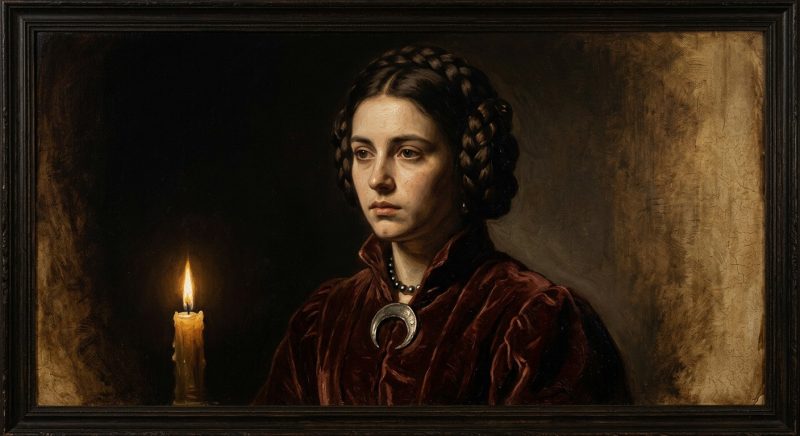
Lady Ruxandra
The queen's shadow at every hour. She hears everything, sees everything, and embroiders all she learns into patterns known only to her.
1.65 m tall · blue eyes · blond hair · right-handed
-
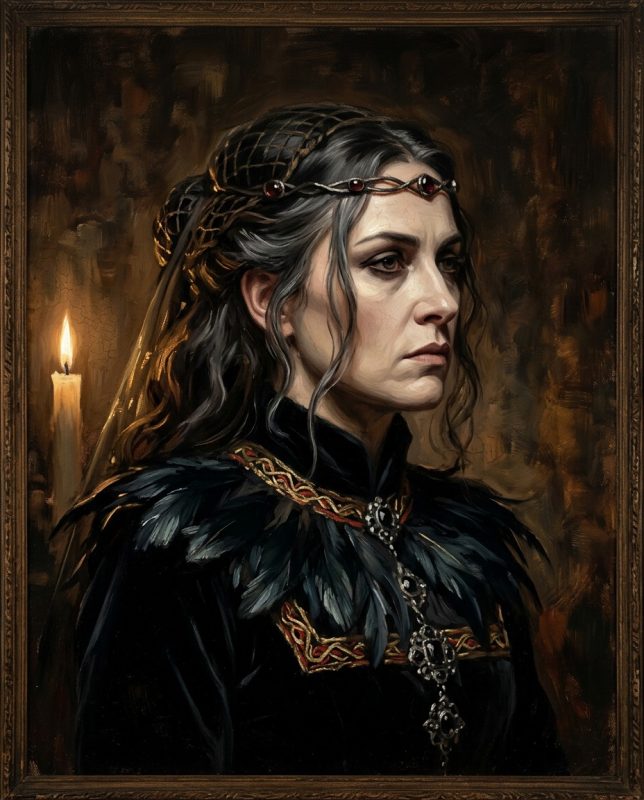
Duchess Amara de Corvin
Widowed three times, heir on each occasion. Her smile has buried more nobles than the plague.
1.68 m tall · dark eyes · black hair · right-handed
-

Father Nicodim
He hears the confessions of the whole court. Forgetting, he says, is a gift from the Lord - one he sells dearly.
1.72 m tall · blue eyes · greying hair · right-handed
-

Abbot Corvus
He raises ravens in the abbey tower. His birds arrive faster than any messenger - and cannot be held to account.
1.78 m tall · dark eyes · no hair · right-handed
-

Elisei the Stargazer
He reads the future in the stars and the past in men's debts. The second method fails less often.
1.67 m tall · blue eyes · greying hair · right-handed
Locations
-

The merchant's house
Carpets brought from overseas and a desk with more secret drawers than drawers.
-
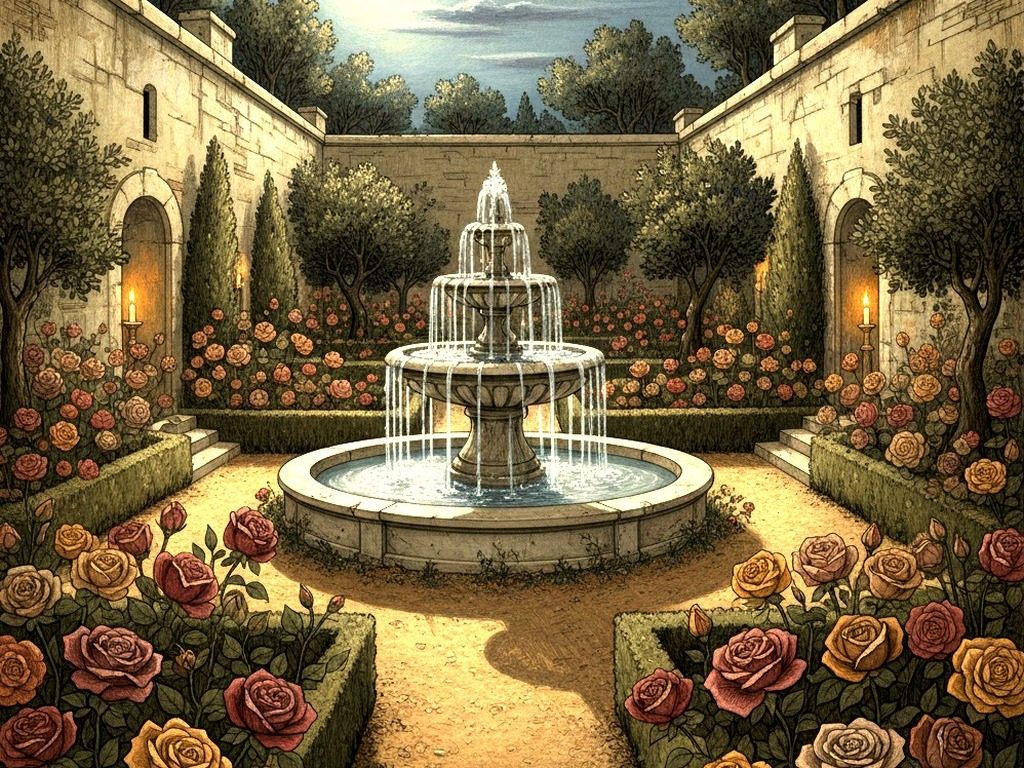
The queen's garden
Roses trimmed to a line and paths you may walk only by invitation. At night, the hedge has ears.
-
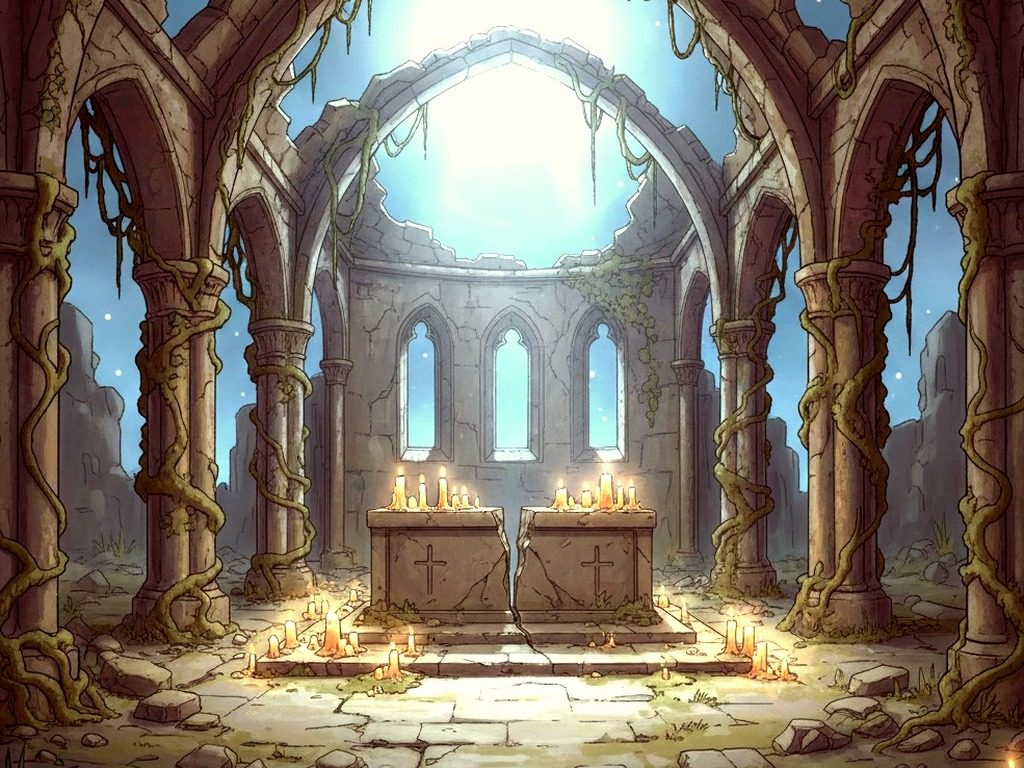
The old chapel
Candles, incense, and a silence in which every footstep echoes like a confession.
-
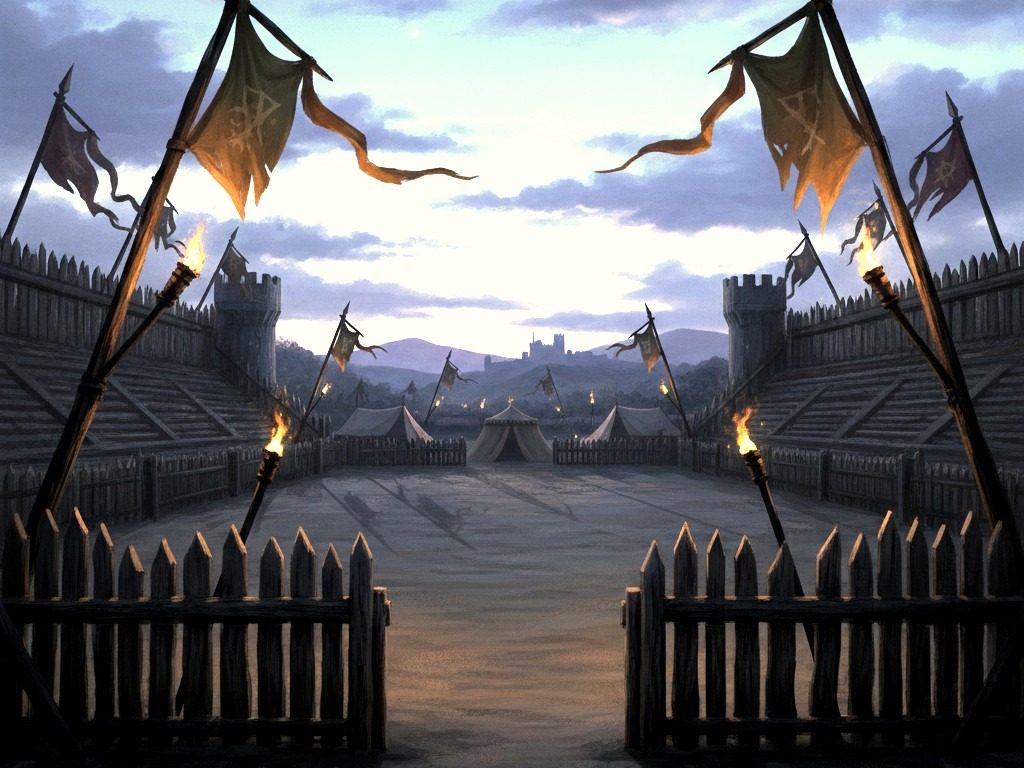
The tourney field
Empty stands outside festival days. An excellent place for meetings that never happened.
-
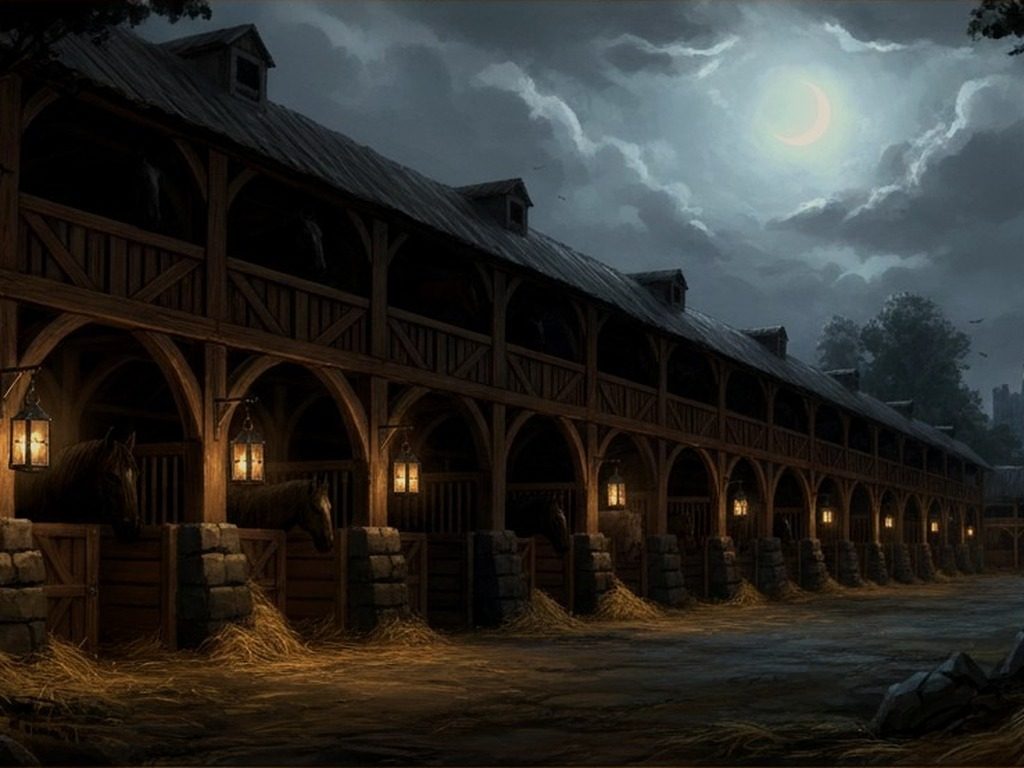
The great stable
It smells of hay and hurried departures. Horses give no testimony.
Objects
-

The rusted sword
An old weapon, forgotten on the rack. The rust on the blade is newer than it looks.
-
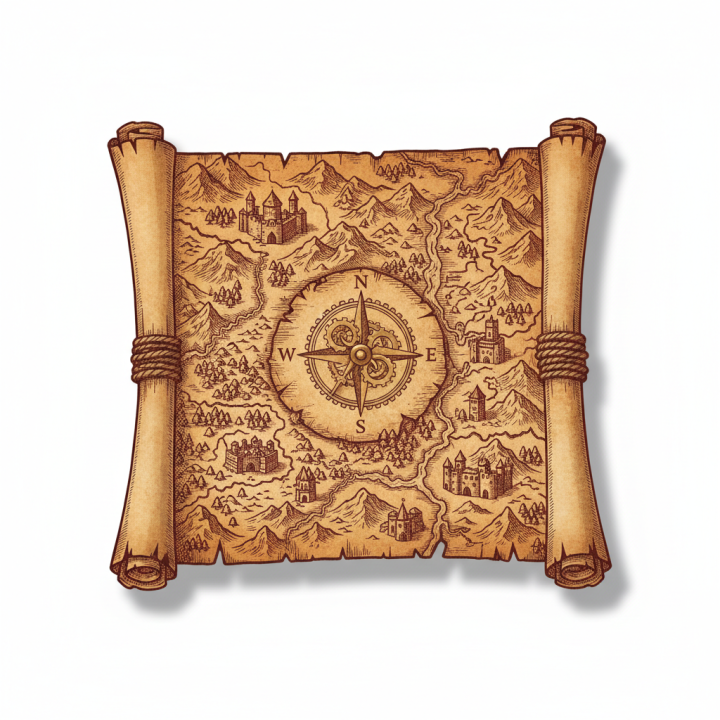
The map of the realm
The kingdom's borders, drawn with a fresh correction where there should be none.
-

The locked chest
Three padlocks, two rows of straps. Fresh scratches around the hinges, not the locks.
-

The abbess's bell
It calls the nuns to prayer. On the night in question, they all say, it rang once too many.
-
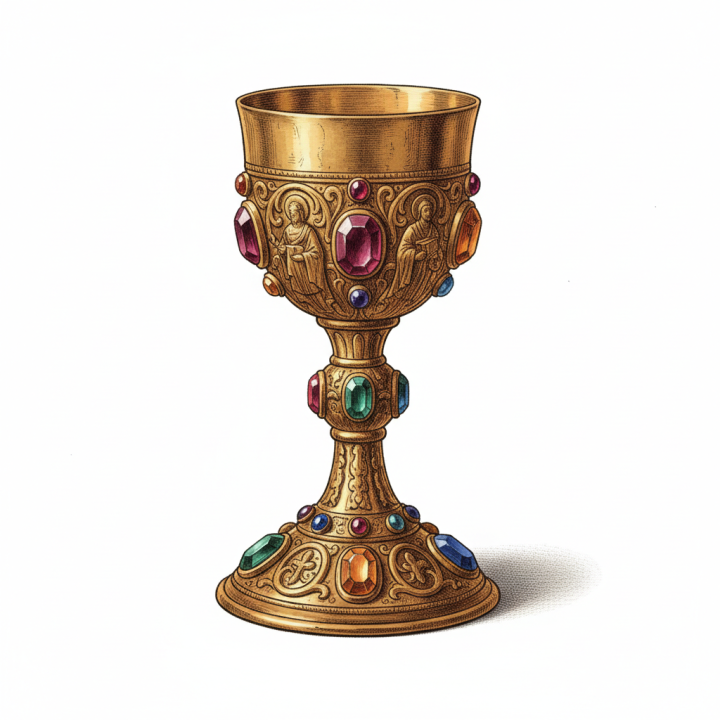
The bishop's chalice
Gold set with blue stones. Blessed three times, stolen twice.
Motives
-

Blackmail
Un secret ținut ca funia la gât, strâns exact cât trebuie.
-
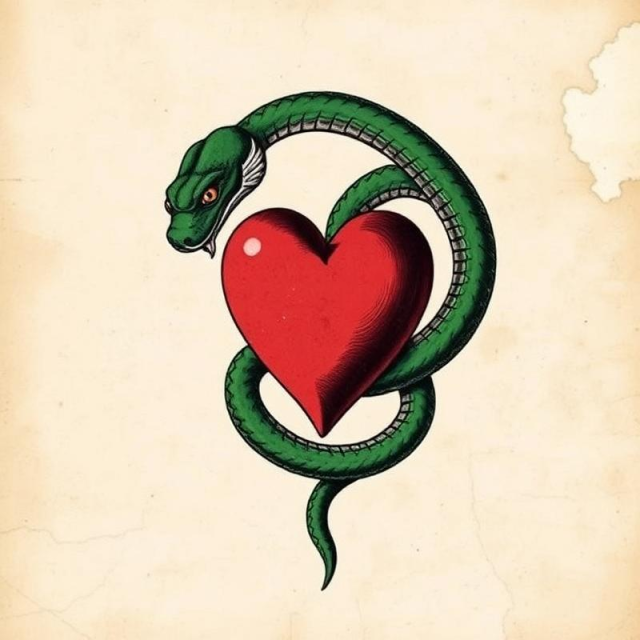
Jealousy
Otrava care mistuie pe cel ce râvnește ce nu-i al lui.
-
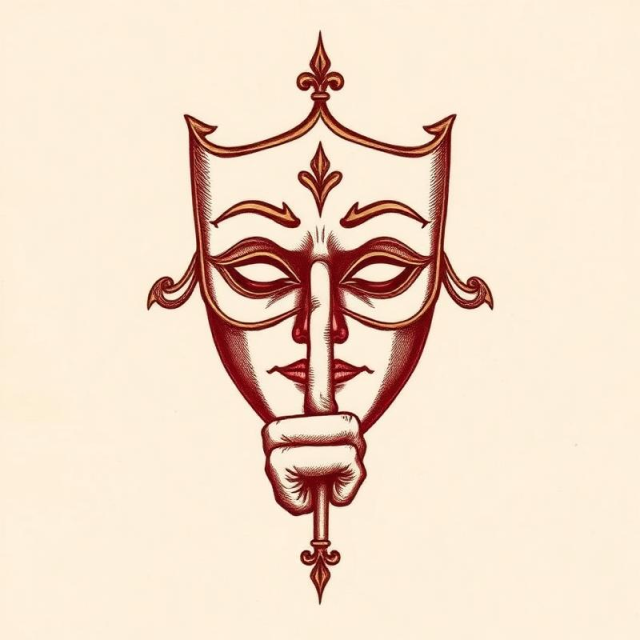
Fear of exposure
Groaza de a fi dat în vileag, care împinge la orice.
-
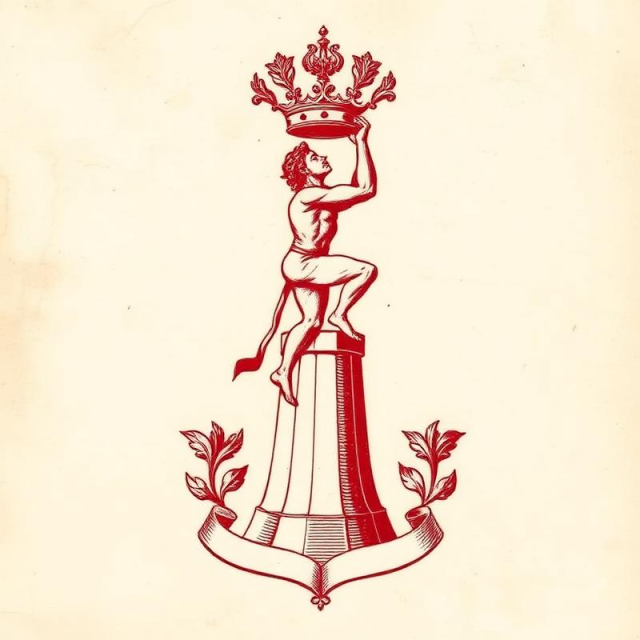
Ambition
Setea de a urca, chiar peste trupuri, spre o treaptă mai înaltă.
-
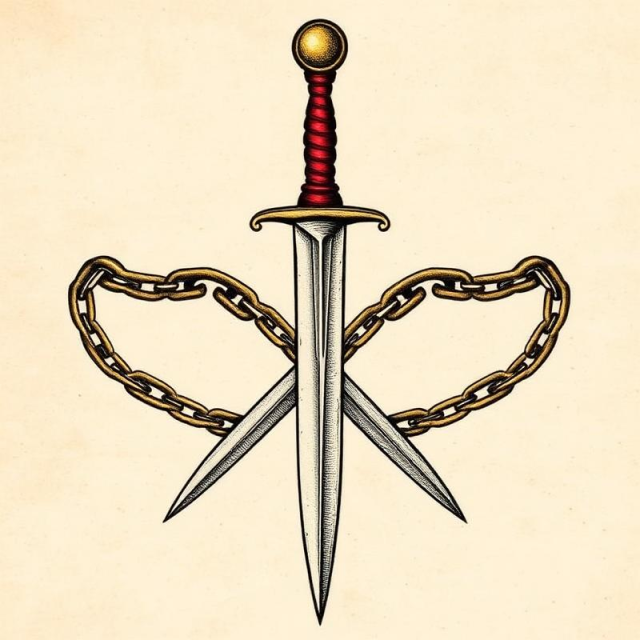
Revenge
O datorie de sânge pe care numai fapta o mai șterge.
Moments
-

At dawn
When the citadel is barely waking and the guards still doze.
-

After matins
The hour after the morning service, when the abbey empties.
-

At noon
Midday, with bustle in the markets and silence in the alcoves.
-

At dusk
When the shadows lengthen and the lanterns are not yet lit.
-

At vespers
At the evening service, when the bells drown out any footstep.
Everything that could be learned
The list below is complete and pared to the bone. The Chancellery keeps no useless rows on file: each cuts something no other cuts.
- The gate guard swears: the queen's garden and the locked chest go together.
- The hounds caught no scent at all: revenge does not match that hour: after matins.
- In the Chancellery's ledger it stands in black and white: the locked chest matches that hour: at vespers.
- About the culprit, the Chancellery knows one thing for certain: the culprit handled the locked chest.
- A note in the margin of the ledger: if Lady Ruxandra was driven by fear of exposure, then Abbot Corvus handled the abbess's bell.
- A maid whispered it at confession: jealousy matches that hour: at dusk.
- The chronicler notes drily: the merchant's house and the map of the realm go together, whatever the court may say.
- The gate guard swears: the rusted sword matches that hour: after matins.
- The gate guard swears: Lady Ruxandra was driven by fear of exposure.
- The tracks in the dust do not lie: Elisei the Stargazer was there at dusk.
- In the Chancellery's ledger it stands in black and white: the great stable and ambition go together.
- A note in the margin of the ledger: if Elisei the Stargazer was at the merchant's house, then the suspect with black hair was in the place with stands empty outside festival days.
- The tracks in the dust do not lie: the bishop's chalice and fear of exposure go together.
- The customs register is clear: fear of exposure does not match that hour: at dawn.
See how the verdict was reached — warning: past this line, the mystery ends
The reasoning, step by step
The investigator guessed at nothing. Each finding went to its place in the grid, each testimony passed through the sieve of the Supreme Law, and elimination did the rest.
The Chancellery asked for one more check, and received it: “The gate guard swears: the queen's garden and the locked chest go together”. The tick goes down without hesitation, and with it fall all the other cells on that row and that column.
The next line was the one that changed the reckoning: “The hounds caught no scent at all: revenge does not match that hour: after matins”. The possibility fell without appeal, and the circle tightened by one finger.
Then this finding entered the file: “In the Chancellery's ledger it stands in black and white: the locked chest matches that hour: at vespers”. Once the tick was placed, the investigation had nothing left to argue on that row and moved on.
The rest of the file almost wrote itself, out of lines like these: “About the culprit, the Chancellery knows one thing for certain: the culprit handled the locked chest”; “A note in the margin of the ledger: if Lady Ruxandra was driven by fear of exposure, then Abbot Corvus handled the abbess's bell”; “A maid whispered it at confession: jealousy matches that hour: at dusk”; “The chronicler notes drily: the merchant's house and the map of the realm go together, whatever the court may say”; “The gate guard swears: the rusted sword matches that hour: after matins”; “The gate guard swears: Lady Ruxandra was driven by fear of exposure”; “The tracks in the dust do not lie: Elisei the Stargazer was there at dusk”; “In the Chancellery's ledger it stands in black and white: the great stable and ambition go together”; “A note in the margin of the ledger: if Elisei the Stargazer was at the merchant's house, then the suspect with black hair was in the place with stands empty outside festival days”. Taken one at a time they seemed slight; laid together in the grid, they left one arrangement alone possible.
A witness of good faith cleared up one more corner: “The tracks in the dust do not lie: the bishop's chalice and fear of exposure go together”. The match was nailed down, and the rest of the row was left clean, like a page wiped with a sponge.
The Chancellery began with what could be verified: “The customs register is clear: fear of exposure does not match that hour: at dawn”. The negation does not say who did it, but it says who did not — and in the end that is enough.
The Chancellery's verdict
At the end of the grid one name alone remained: Father Nicodim. The grid shows plainly how matters stood: Father Nicodim was at the queen's garden, handled the locked chest, was driven by revenge and was there at vespers. Tier IV is no empty word: without the method of hypotheses, this grid would not have closed.
What became of the others
The Chancellery recorded the others' movements as well, because it was precisely they that closed the grid: Lady Ruxandra was at the old chapel, handled the bishop's chalice, was driven by fear of exposure and was there at noon; Duchess Amara de Corvin was at the tourney field, handled the rusted sword, was driven by blackmail and was there after matins; Abbot Corvus was at the great stable, handled the abbess's bell, was driven by ambition and was there at dawn; Elisei the Stargazer was at the merchant's house, handled the map of the realm, was driven by jealousy and was there at dusk. Not one of the rows above is spare — remove it and the grid opens again.
The truth did not surface in a flash of insight but out of a run of small cuts, every one of them checkable.
Play this dossier All mysteries
Everything you read above rests on the dossier itself. The Chancellery's solver checked, at publication, that the given clues yield exactly one solution — no more, and not none. behind the scenes at the Chancellery.