
Chronicle of the solution: The Hour of the Chancellery
Theft Tier IV
What was taken has been found, and the one who took it wears irons today; here, though, is the road that led there.
How the file came to the Chancellery
A bold theft has shaken the calm of the court, and calm will not return until the truth comes out. The culprit worked cleanly, but not without witnesses — and the witnesses, at last, have begun to talk. The testimonies keep returning to the same names: Filip the Steward, Luca the Squire, Castellan Ursu, Sir Bogdan de Fag and Pantelimon the Gardener. The testimonies cling to certain hours: "at dawn", "after matins", "at noon", "at dusk" and "at vespers". A sharp eye is not enough here — it takes an archivist's patience: fit everything together, then pronounce your verdict.
The clerk entered Filip the Steward, Luca the Squire, Castellan Ursu, Sir Bogdan de Fag and Pantelimon the Gardener in the register — that, and not one name more, until the verdict.
The suspects
-
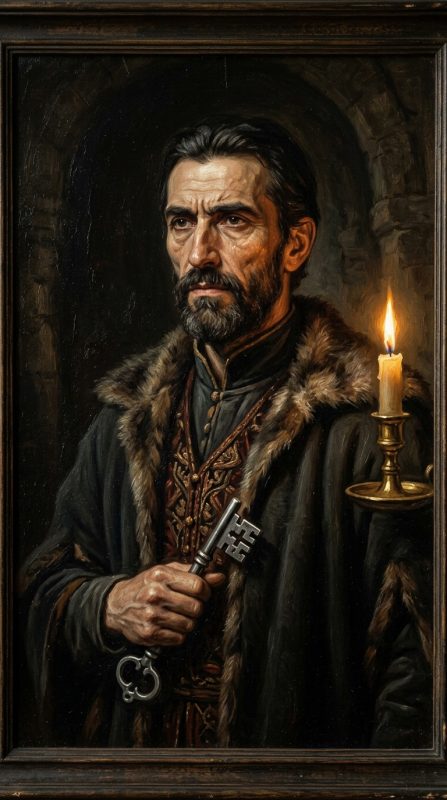
Filip the Steward
He counts the crown's silver every evening. On some evenings the count comes out different - and he says nothing.
1.79 m tall · grey eyes · chestnut hair · right-handed
-

Luca the Squire
He polishes the knight's armour and dreams of a sword of his own. For a coat of arms he would do almost anything.
1.72 m tall · green eyes · brown hair · right-handed
-
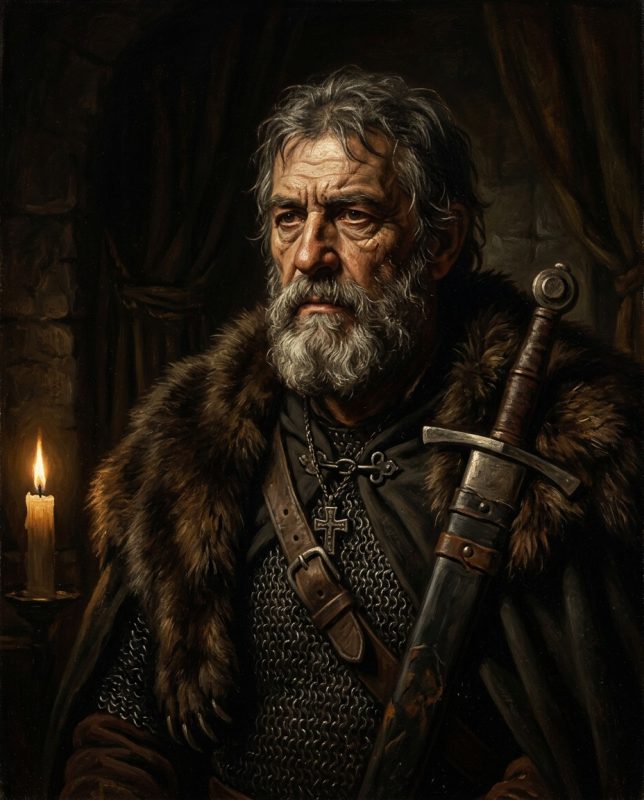
Castellan Ursu
He keeps the fortress dungeon and the tally of those who leave other than they entered.
1.90 m tall · dark eyes · black hair · right-handed
-
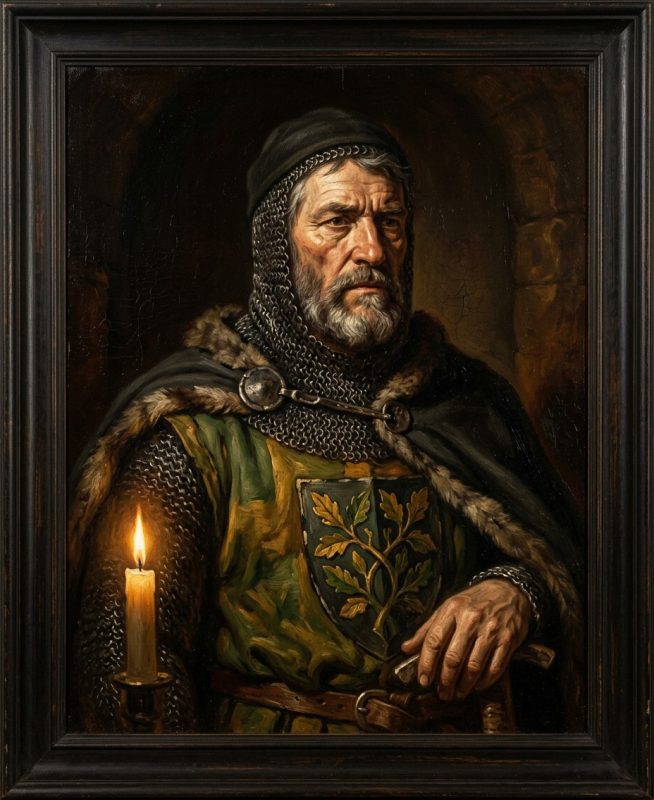
Sir Bogdan de Fag
He pawned his armour to pay his tavern debts. Honour, he says, does not rust.
1.85 m tall · blue eyes · brown hair · right-handed
-
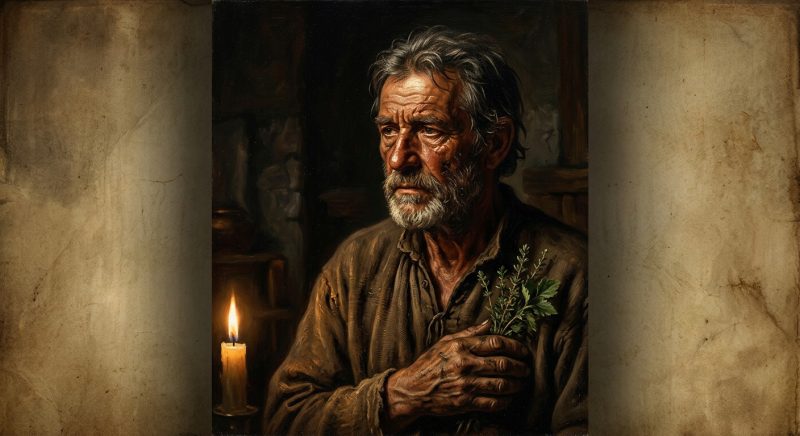
Pantelimon the Gardener
He tends the queen's roses and no one's beds of belladonna. The second garden is the more sought-after.
1.73 m tall · green eyes · greying hair · right-handed
Locations
-

The merchant's house
Carpets brought from overseas and a desk with more secret drawers than drawers.
-
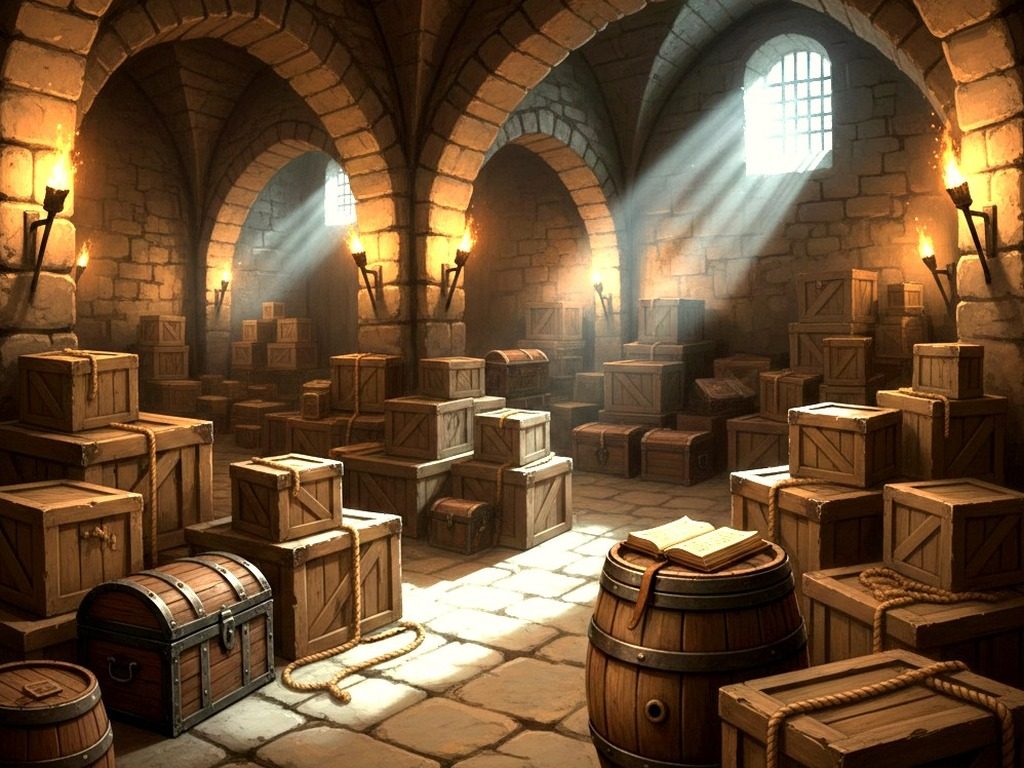
The customs cellar
Sealed crates, thick ledgers, and air that smells of undeclared goods.
-
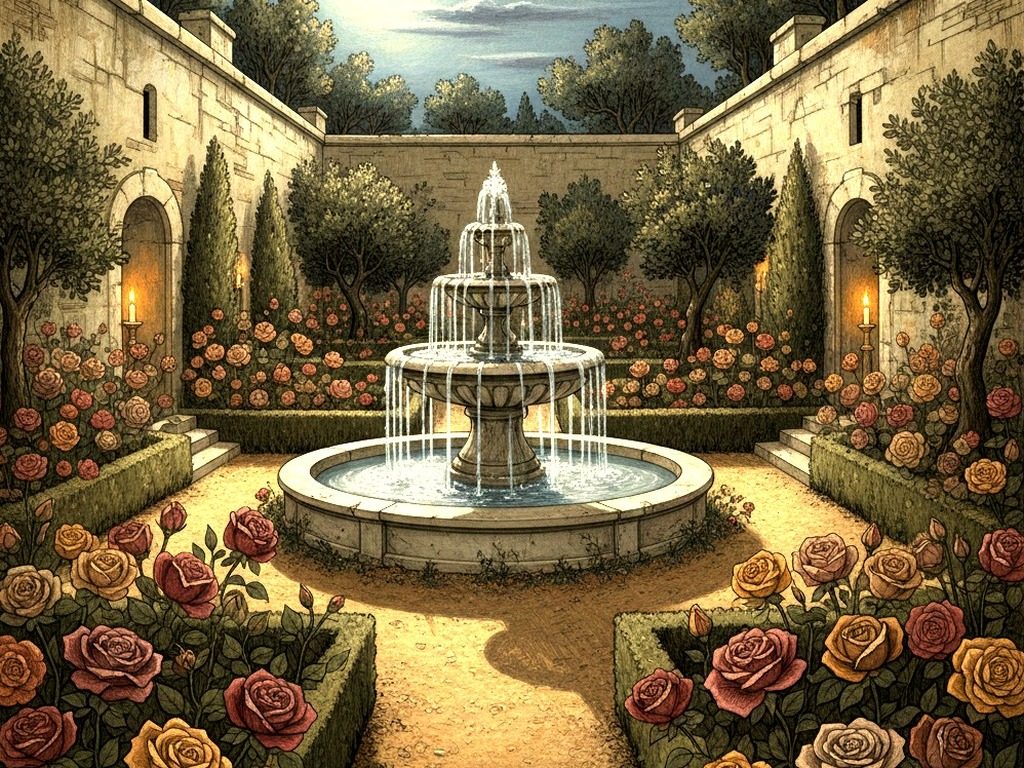
The queen's garden
Roses trimmed to a line and paths you may walk only by invitation. At night, the hedge has ears.
-

The hunting lodge
The royal cabin in the heart of the forest. Far from the eyes of the court - which is exactly what suits some.
-
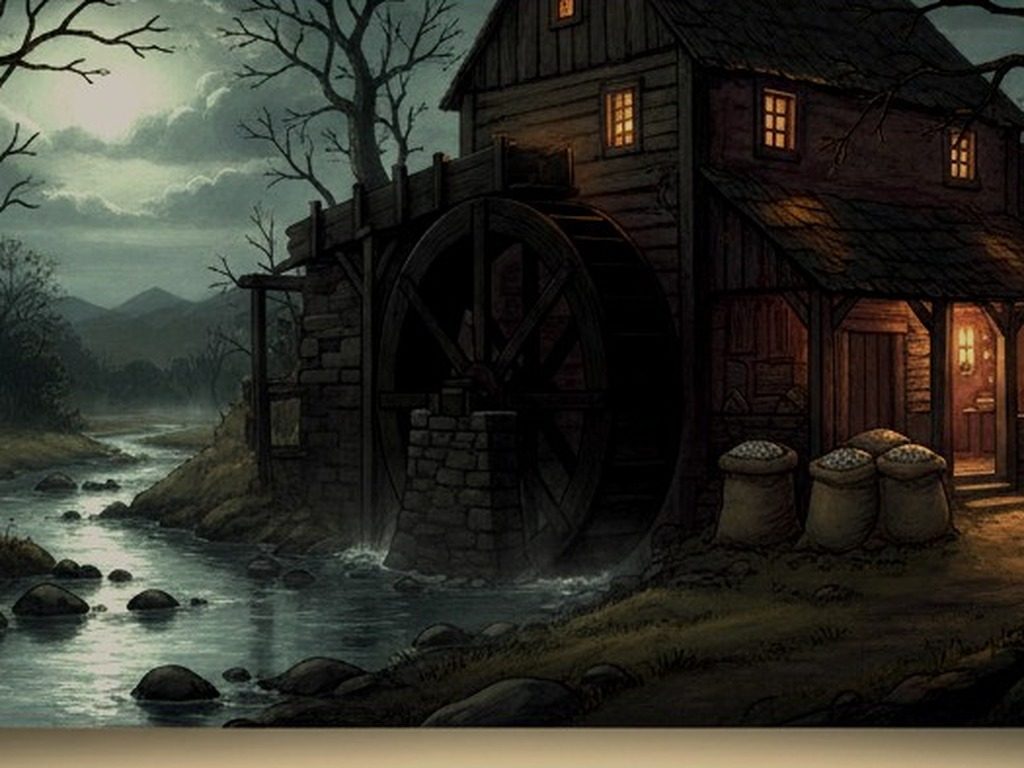
The mill by the river
The wheel turns day and night. Its noise drowns out any conversation - which is why some are held here.
Objects
-
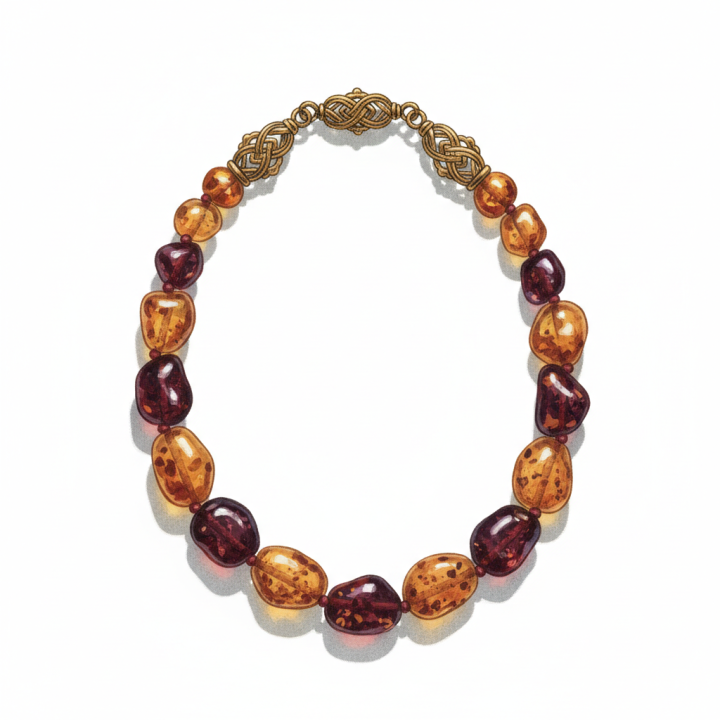
The amber necklace
Beads of golden resin strung on a silk thread. The thread is broken and hastily reknotted.
-
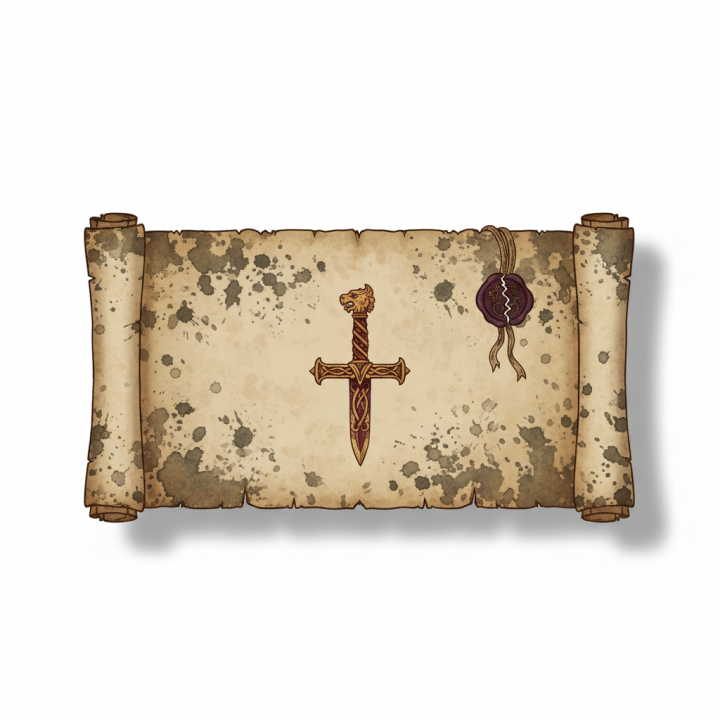
The stained parchment
A half-burned document with a stain that might be wine. Or not.
-

The ruby dagger
A short blade, its hilt set with a stone red as a frozen drop. It was sharpened recently.
-
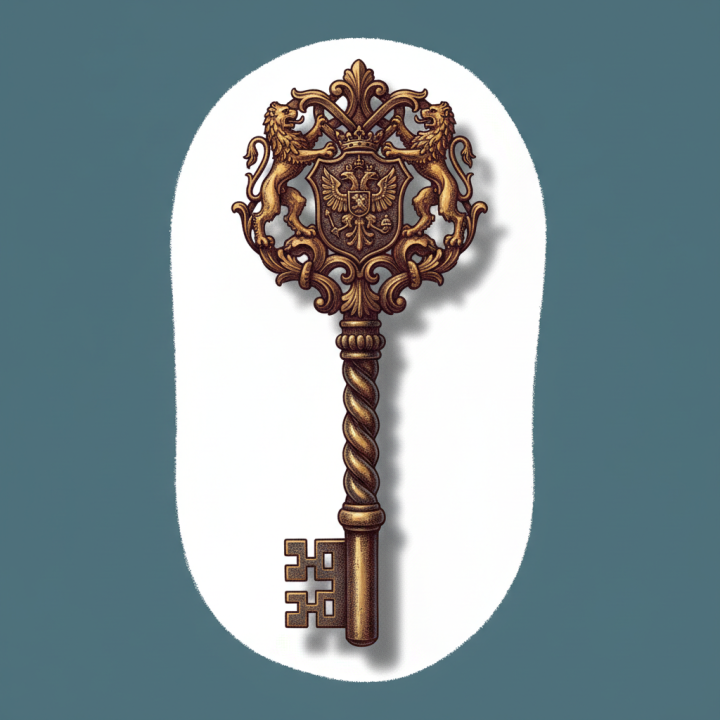
The bronze key
Heavy, old, its teeth worn smooth. No one knows what door it opens anymore - or so they say.
-
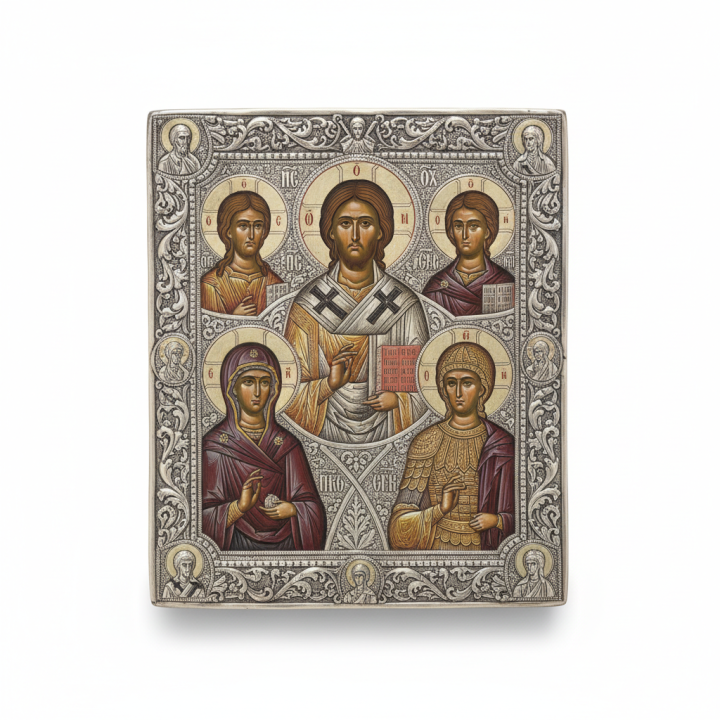
The silver-clad icon
The silver casing is old craftsmanship; the nails that hold it were driven this week.
Motives
-

The inheritance
O avere așteptată, pe care numai o moarte o desparte de mână.
-

Greed
Dorința nesățioasă de avere, care nu se oprește la nimic.
-
Fear of exposure
Groaza de a fi dat în vileag, care împinge la orice.
-

Jealousy
Otrava care mistuie pe cel ce râvnește ce nu-i al lui.
-

Blackmail
Un secret ținut ca funia la gât, strâns exact cât trebuie.
Moments
-

At dawn
When the citadel is barely waking and the guards still doze.
-

After matins
The hour after the morning service, when the abbey empties.
-

At noon
Midday, with bustle in the markets and silence in the alcoves.
-

At dusk
When the shadows lengthen and the lanterns are not yet lit.
-

At vespers
At the evening service, when the bells drown out any footstep.
The evidence gathered on file
Nothing is missing from the list and nothing is surplus. Every row below is necessary: without it, the grid would allow several solutions at once.
- Every scout reports the same about the culprit: the culprit was at the merchant's house.
- The chancellor deduced it coldly: if the suspect with greying hair handled the ruby dagger, then Filip the Steward was driven by greed.
- In the Chancellery's ledger it stands in black and white: the mill by the river matches that hour: at dawn.
- An unsigned note, slipped under the door: "the culprit was driven by blackmail".
- An unsigned note, slipped under the door: "the culprit handled the bronze key".
- Two witnesses, upon their crest: the stained parchment does not match that hour: after matins.
- In the Chancellery's ledger it stands in black and white: the tallest suspect was driven by jealousy.
- The chronicler notes drily: the queen's garden and the inheritance go together, whatever the court may say.
- In the Chancellery's ledger it stands in black and white: the suspect with greying hair was there after matins.
- In the Chancellery's ledger it stands in black and white: the hunting lodge matches that hour: after matins.
- The bell-ringer remembers well: Luca the Squire came earlier than Sir Bogdan de Fag.
- The Chancellery checked twice: greed does not match that hour: at dusk.
- A maid whispered it at confession: the amber necklace and jealousy go together.
- In the Chancellery's ledger it stands in black and white: the customs cellar matches that hour: at dusk.
- The tracks in the dust do not lie: the silver-clad icon matches that hour: at noon.
Open the full reasoning — open only if you have already tried the dossier
The road to the verdict
No confession was wrung from anyone here. Only the grid was drawn tighter, until nothing but a single name still fitted inside it.
It was set down, for whoever reads after us: “Every scout reports the same about the culprit: the culprit was at the merchant's house”. The line names nobody, but it binds the culprit to a fact — and every suspect who cannot carry it leaves the circle.
The Chancellery asked for one more check, and received it: “The chancellor deduced it coldly: if the suspect with greying hair handled the ruby dagger, then Filip the Steward was driven by greed”. A condition is a trap with the spring drawn: it catches nothing until somebody treads on it.
The next line was the one that changed the reckoning: “In the Chancellery's ledger it stands in black and white: the mill by the river matches that hour: at dawn”. The tick goes down without hesitation, and with it fall all the other cells on that row and that column.
The archivist copied on, without comment, everything that could be proved: “An unsigned note, slipped under the door: "the culprit was driven by blackmail"”; “An unsigned note, slipped under the door: "the culprit handled the bronze key"”; “Two witnesses, upon their crest: the stained parchment does not match that hour: after matins”; “In the Chancellery's ledger it stands in black and white: the tallest suspect was driven by jealousy”; “The chronicler notes drily: the queen's garden and the inheritance go together, whatever the court may say”; “In the Chancellery's ledger it stands in black and white: the suspect with greying hair was there after matins”; “In the Chancellery's ledger it stands in black and white: the hunting lodge matches that hour: after matins”; “The bell-ringer remembers well: Luca the Squire came earlier than Sir Bogdan de Fag”; “The Chancellery checked twice: greed does not match that hour: at dusk”; “A maid whispered it at confession: the amber necklace and jealousy go together”. Taken one at a time they seemed slight; laid together in the grid, they left one arrangement alone possible.
The scouts brought their share as well: “In the Chancellery's ledger it stands in black and white: the customs cellar matches that hour: at dusk”. The cell filled, and around it a space opened: that is what a certain match does to a grid.
A report from the watch brought clarity: “The tracks in the dust do not lie: the silver-clad icon matches that hour: at noon”. One more certainty means, in a deduction grid, a whole fistful of impossibilities — and so it proved here.
The culprit's name
After every cut, one possible suspect was left in the file: Sir Bogdan de Fag. The grid shows plainly how matters stood: Sir Bogdan de Fag was at the merchant's house, handled the bronze key, was driven by blackmail and was there at vespers. Plain elimination was not enough here: every suspect had to be tried as the culprit until all hypotheses but one shattered. Hence the dossier stands at tier IV.
What became of the others
The others found their acquittal in the grid as well: Filip the Steward was at the mill by the river, handled the stained parchment, was driven by greed and was there at dawn; Luca the Squire was at the queen's garden, handled the silver-clad icon, was driven by the inheritance and was there at noon; Castellan Ursu was at the customs cellar, handled the amber necklace, was driven by jealousy and was there at dusk; Pantelimon the Gardener was at the hunting lodge, handled the ruby dagger, was driven by fear of exposure and was there after matins. They look like rows of padding and they are not: the whole of the rest rests on them.
The truth did not surface in a flash of insight but out of a run of small cuts, every one of them checkable.
Play this dossier All mysteries
Everything you read above rests on the dossier itself. The Chancellery's solver checked, at publication, that the given clues yield exactly one solution — no more, and not none. behind the scenes at the Chancellery.