Chronicle of the solution: The Feud of Winter
Forged decree Tier III
The lying seal has been prised from the hand that pressed it, and the road to that hand is written out below.
The dossier as it reached the desk
A seal that never lies has been placed, this once, in the service of a lie. The forgery is skilled: only an eye trained on the archives found its flaw. Suspicion has fallen on Chancellor Veniamin, Captain Vlaicu, Father Nicodim, Teofil the Chronicler and Margica the Innkeeper — and until the proof is plain, none of these names leaves the room. As for the impulse behind it, the court whispers of everything: fear of exposure, ambition, greed, the inheritance and revenge. Few files have tested so many investigators; untangle the threads, catch the lie, and pronounce your verdict.
Under suspicion stood Chancellor Veniamin, Captain Vlaicu, Father Nicodim, Teofil the Chronicler and Margica the Innkeeper. One of them alone lied; the rest, without knowing it, spoke the truth that gave that one away.
The suspects
-
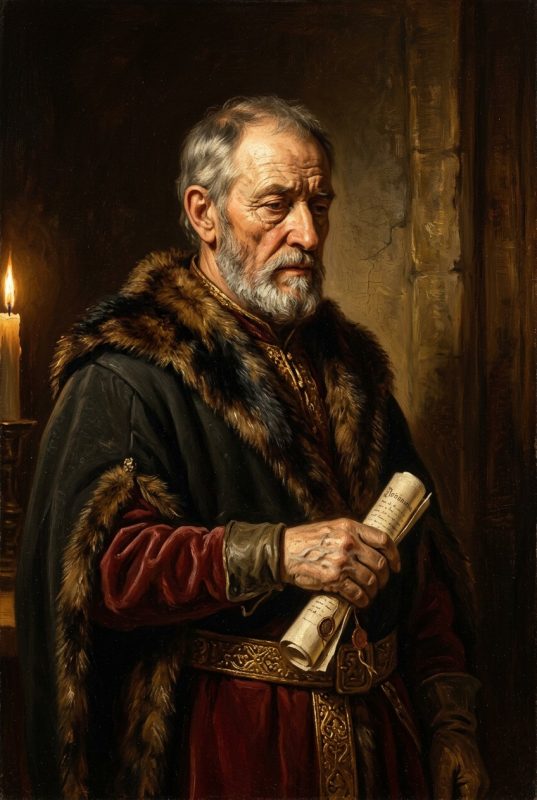
Chancellor Veniamin
Every charter of the kingdom passes through his hands. A comma he once moved started a war.
1.64 m tall · grey eyes · no hair · left-handed
-

Captain Vlaicu
He has guarded the fortress gates for twenty years. Who enters and who leaves - he decides what the ledger records.
1.84 m tall · brown eyes · brown hair · right-handed
-

Father Nicodim
He hears the confessions of the whole court. Forgetting, he says, is a gift from the Lord - one he sells dearly.
1.72 m tall · blue eyes · greying hair · right-handed
-
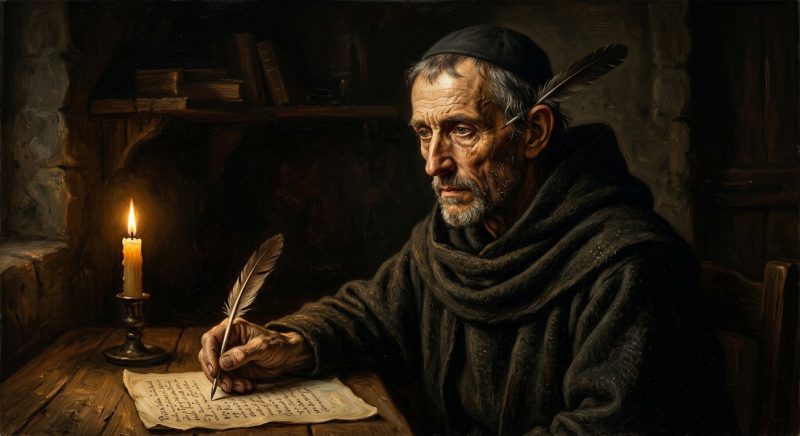
Teofil the Chronicler
He writes the kingdom's history as he is ordered. The unwelcome drafts, however, he keeps every one.
1.69 m tall · brown eyes · greying hair · left-handed
-
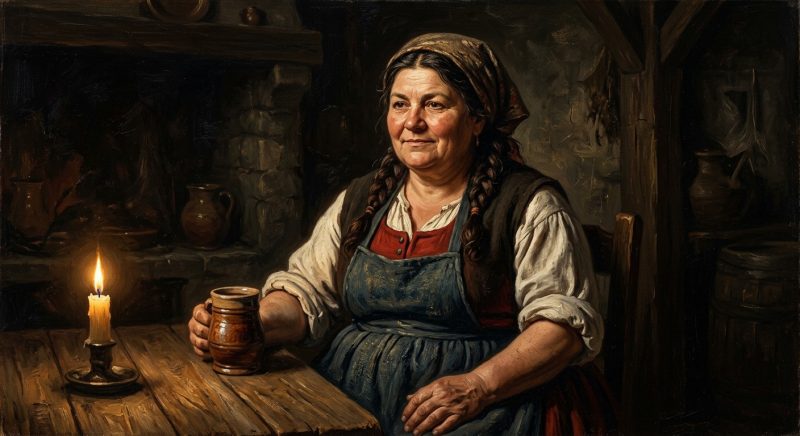
Margica the Innkeeper
At the Golden Boar inn, wine and secrets are spilled in equal measure. She never forgets a debt - or a word let slip.
1.61 m tall · dark eyes · chestnut hair · right-handed
Locations
-

The watchtower
The highest point of the fortress. From here you see everything - and from below, everyone sees who climbs up.
-
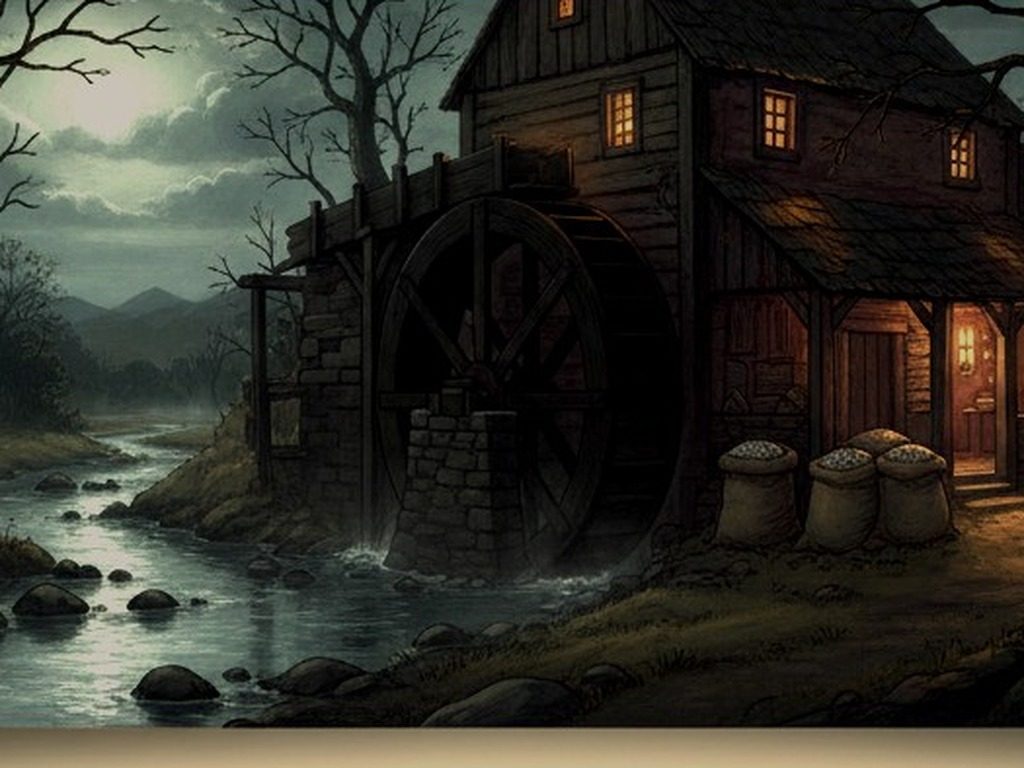
The mill by the river
The wheel turns day and night. Its noise drowns out any conversation - which is why some are held here.
-
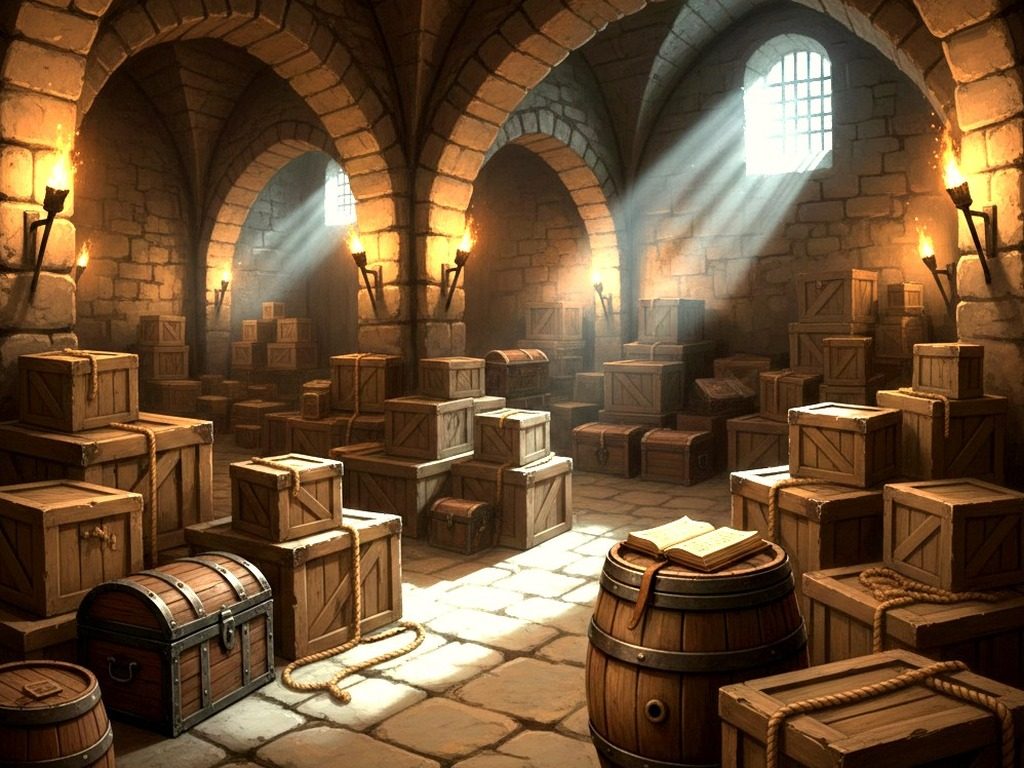
The customs cellar
Sealed crates, thick ledgers, and air that smells of undeclared goods.
-
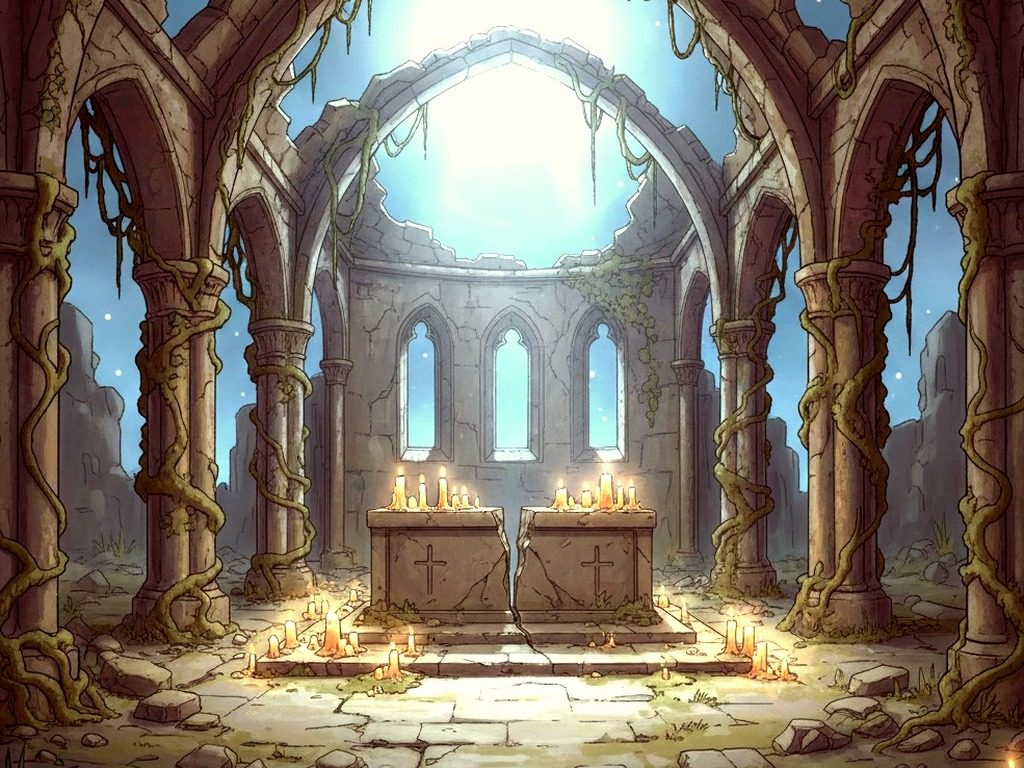
The old chapel
Candles, incense, and a silence in which every footstep echoes like a confession.
-
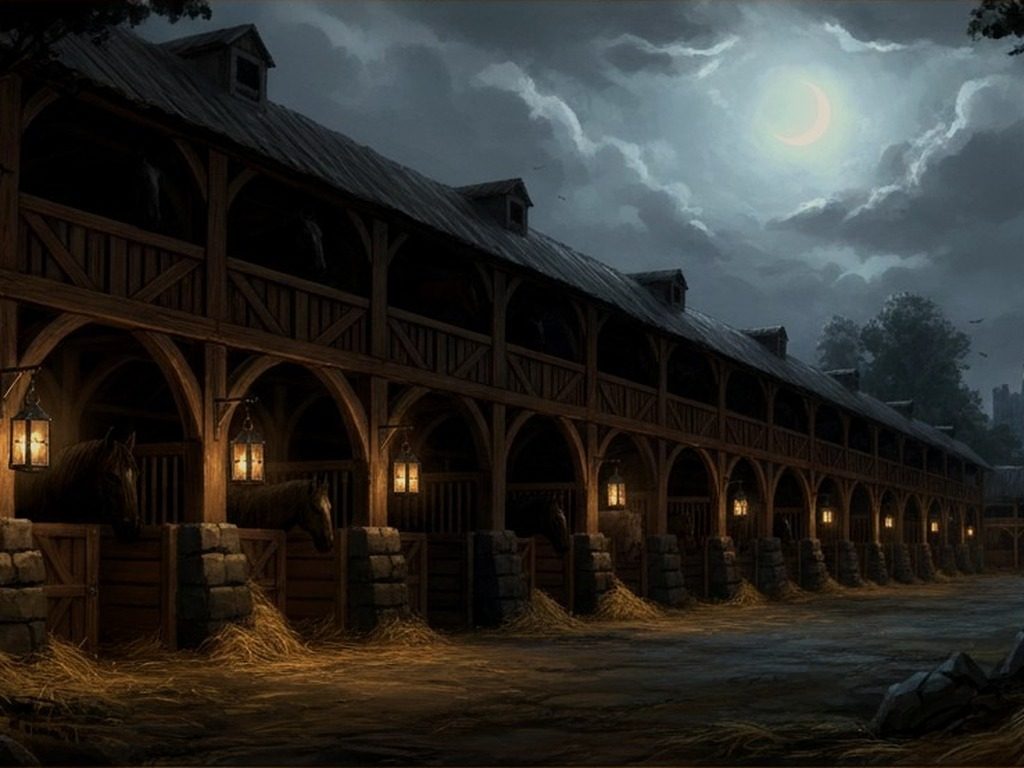
The great stable
It smells of hay and hurried departures. Horses give no testimony.
Objects
-

The ruby dagger
A short blade, its hilt set with a stone red as a frozen drop. It was sharpened recently.
-
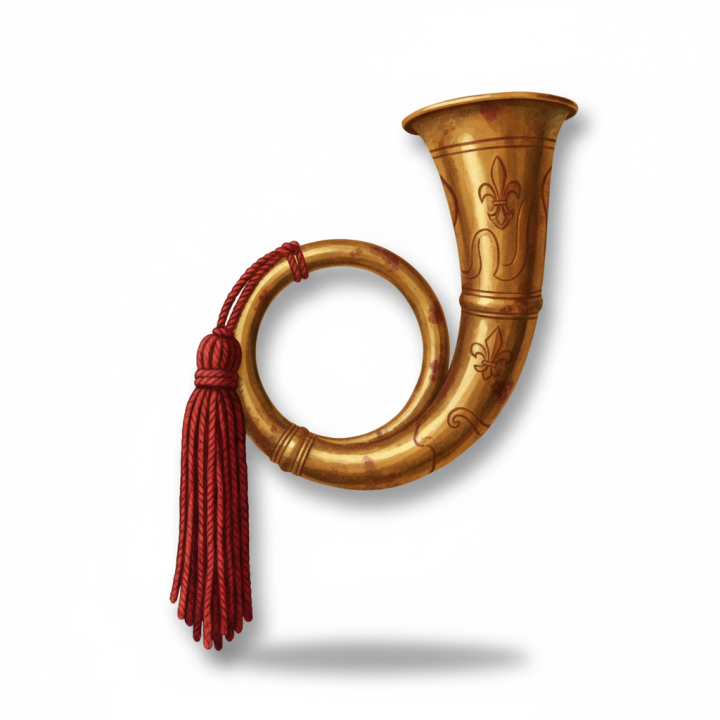
The herald's horn
It sounds the muster, the alarm, or the retreat. Whoever holds it can start a whole panic with a single breath.
-
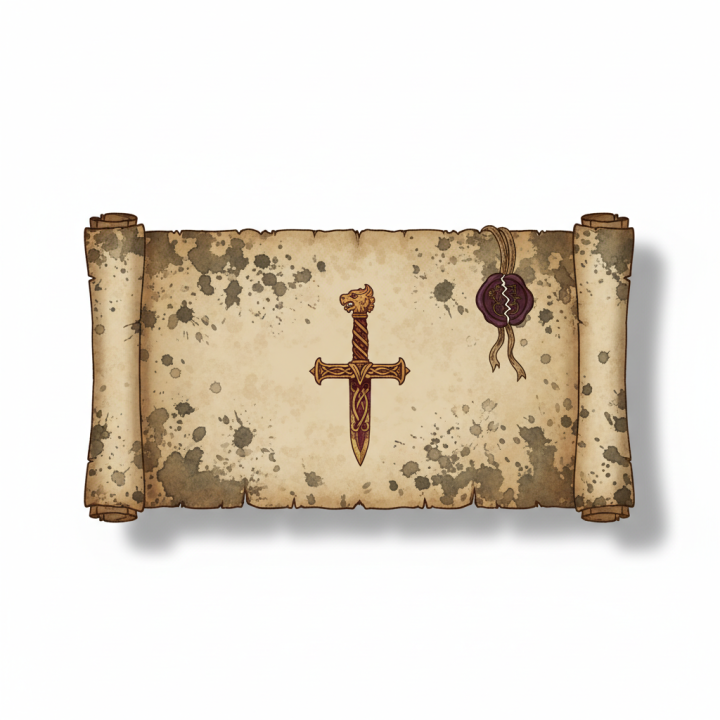
The stained parchment
A half-burned document with a stain that might be wine. Or not.
-
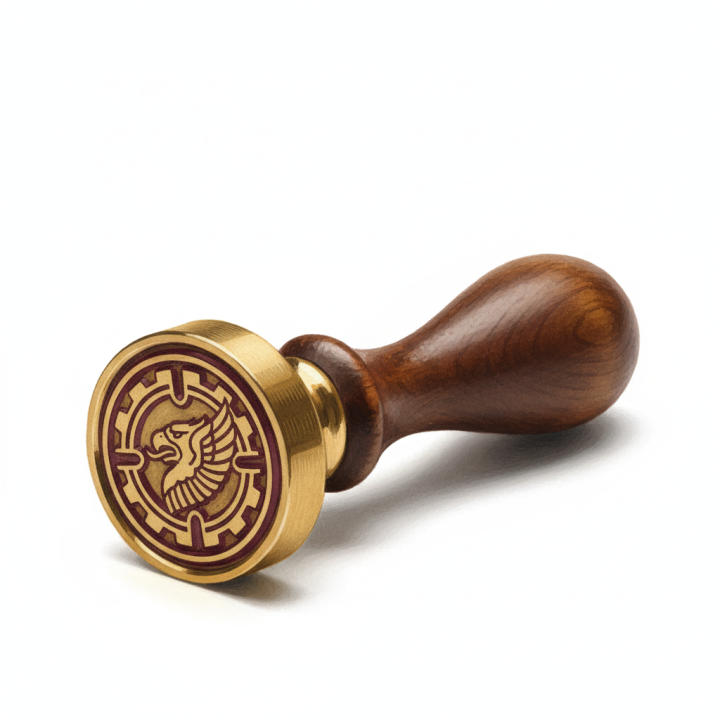
The guild seal
The stamp that turns any goods into goods "of certified quality." Worth a mine of gold.
-

The ermine cloak
White fur with black tails - only the royal family may wear it. It has a tear at the hem.
Motives
-
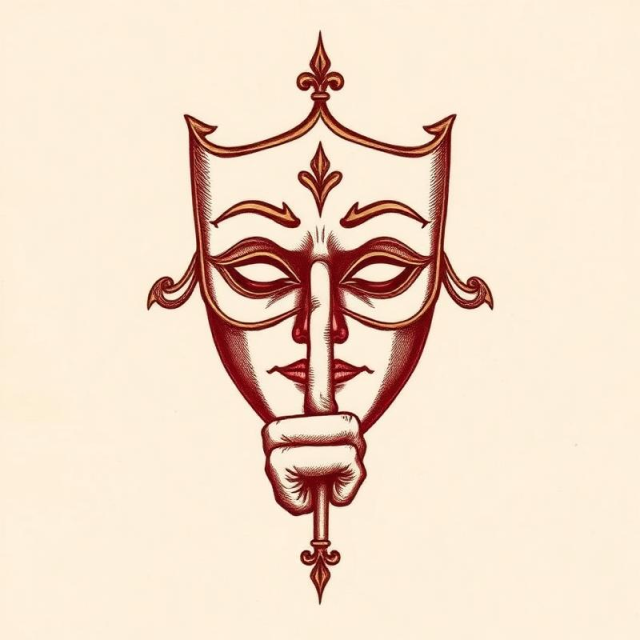
Fear of exposure
Groaza de a fi dat în vileag, care împinge la orice.
-
Ambition
Setea de a urca, chiar peste trupuri, spre o treaptă mai înaltă.
-

Greed
Dorința nesățioasă de avere, care nu se oprește la nimic.
-
The inheritance
O avere așteptată, pe care numai o moarte o desparte de mână.
-
Revenge
O datorie de sânge pe care numai fapta o mai șterge.
The evidence gathered on file
Nothing is missing from the list and nothing is surplus. Every row below is necessary: without it, the grid would allow several solutions at once.
- The chronicler notes drily: Captain Vlaicu was at the watchtower, whatever the court may say.
- The gate guard swears: the old chapel and ambition go together.
- In the Chancellery's ledger it stands in black and white: the guild seal and the inheritance go together.
- A note in the margin of the ledger: if the suspect with blue eyes was driven by fear of exposure, then Captain Vlaicu handled the herald's horn.
- The hounds caught no scent at all: the customs cellar and the inheritance do not go together.
- The chronicler notes drily: the herald's horn and revenge go together, whatever the court may say.
- The traces left at the scene show it plainly: the culprit was at the old chapel.
- The Chancellery checked twice: Teofil the Chronicler never set foot in the mill by the river.
- Chancellor Veniamin raises their right hand and says: "I handled the ermine cloak".
- Margica the Innkeeper raises their right hand and says: "I was driven by revenge".
- In the Chancellery's ledger it stands in black and white: the mill by the river and the ruby dagger go together.
- An honest-faced witness saw it plainly: the bald suspect was driven by greed.
Read the unravelling, step by step — open only if you have already tried the dossier
The road to the verdict
The Chancellery's method does not change from one dossier to the next: findings go into the grid as certainties, testimonies are weighed under the Supreme Law, and what survives every cut is the truth, however unwelcome.
A piece of information dearly bought showed its worth: “The chronicler notes drily: Captain Vlaicu was at the watchtower, whatever the court may say”. A pair was tied, and the knot dragged a whole handful of impossibilities after it.
A report from the watch brought clarity: “The gate guard swears: the old chapel and ambition go together”. One more certainty means, in a deduction grid, a whole fistful of impossibilities — and so it proved here.
The clerk read the next line aloud: “In the Chancellery's ledger it stands in black and white: the guild seal and the inheritance go together”. Once the tick was placed, the investigation had nothing left to argue on that row and moved on.
The file thickened quickly, and every fresh page cut something away: “A note in the margin of the ledger: if the suspect with blue eyes was driven by fear of exposure, then Captain Vlaicu handled the herald's horn”; “The hounds caught no scent at all: the customs cellar and the inheritance do not go together”; “The chronicler notes drily: the herald's horn and revenge go together, whatever the court may say”; “The traces left at the scene show it plainly: the culprit was at the old chapel”; “The Chancellery checked twice: Teofil the Chronicler never set foot in the mill by the river”; “Chancellor Veniamin raises their right hand and says: "I handled the ermine cloak"”; “Margica the Innkeeper raises their right hand and says: "I was driven by revenge"”. The grid emptied before one's eyes, and what stayed in it could no longer be doubted.
There followed a detail that narrowed the circle: “In the Chancellery's ledger it stands in black and white: the mill by the river and the ruby dagger go together”. The cell filled, and around it a space opened: that is what a certain match does to a grid.
From one word to the next, the investigation arrived here: “An honest-faced witness saw it plainly: the bald suspect was driven by greed”. Two names bound themselves for good, and the binding undid, at a stroke, every pairing that contradicted it.
Where the thread broke
The lie came to light by its plain failure to fit. Margica the Innkeeper swore before the Chancellery that I was driven by revenge, yet everything that could be proved shows the opposite: Margica the Innkeeper was not driven by revenge. Under the Supreme Law that failure to fit is the culprit's own signature.
The verdict
The Chancellery's verdict: the culprit is Margica the Innkeeper. At the hour of the deed, Margica the Innkeeper was at the old chapel, handled the stained parchment and was driven by ambition. It was reached only by driving each supposition to its absurd end — a tier III dossier, and rightly so.
Where the others were
The remaining suspects received their release from the grid too: Chancellor Veniamin was at the customs cellar, handled the ermine cloak and was driven by greed; Captain Vlaicu was at the watchtower, handled the herald's horn and was driven by revenge; Father Nicodim was at the mill by the river, handled the ruby dagger and was driven by fear of exposure; Teofil the Chronicler was at the great stable, handled the guild seal and was driven by the inheritance. They look like rows of padding and they are not: the whole of the rest rests on them.
It was not cleverness that unravelled the thread, but order. Order can be learned, and that is exactly why the chronicle is written.
Play this dossier All mysteries
Everything you read above rests on the dossier itself. The Chancellery's solver checked, at publication, that the given clues yield exactly one solution — no more, and not none. behind the scenes at the Chancellery.