
Chronicle of the solution: The Feud of the Lady
Espionage Tier IV
Whoever carried the secrets out no longer walks free. Here, though, is how they were given away, step by step.
The dossier, on a first reading
A spy has crept in among the people of the court, and the realm's secrets have begun flowing toward foreign ears. The Chancellery has caught only the end of the thread; the whole skein is still in someone's hands. Before you, one by one, will stand Captain Vlaicu, Costache the Toll-Keeper, Chamberlain Iorgu, Onufrie the Executioner and Codrin the Huntsman. The testimonies cling to certain hours: "at dawn", "after matins", "at noon", "at dusk" and "at vespers". The threads were tangled on purpose: investigate, weigh every word, and pronounce your verdict only when the grid leaves no room for doubt.
The circle closed around these names: Captain Vlaicu, Costache the Toll-Keeper, Chamberlain Iorgu, Onufrie the Executioner and Codrin the Huntsman. The investigation was not permitted to step outside it, and had no need to.
The suspects
-

Captain Vlaicu
He has guarded the fortress gates for twenty years. Who enters and who leaves - he decides what the ledger records.
1.84 m tall · brown eyes · brown hair · right-handed
-
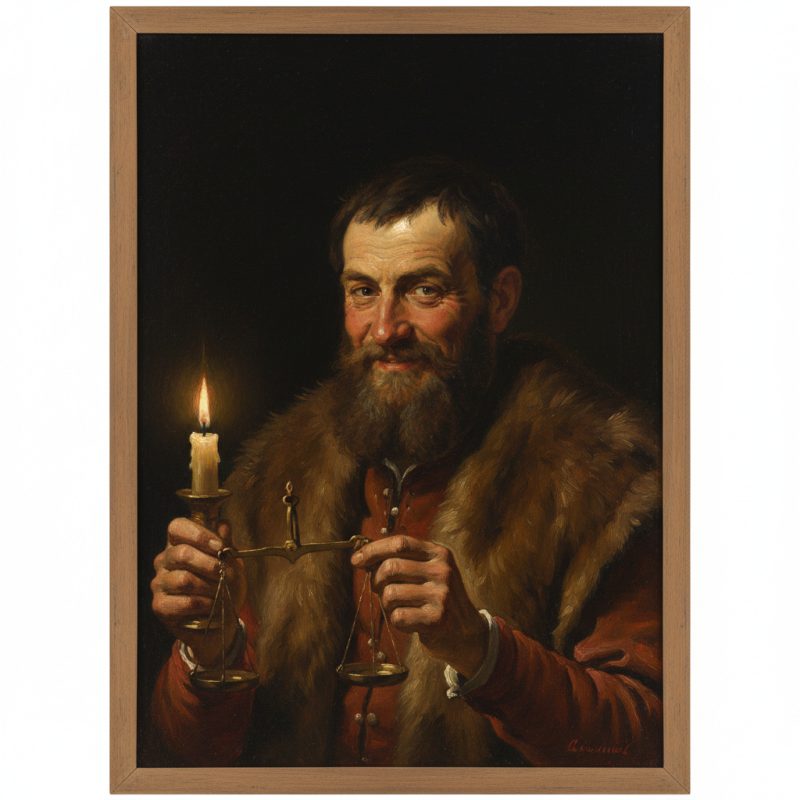
Costache the Toll-Keeper
His scales weigh the goods; his eye, the merchant. Both can be "greased" at need.
1.80 m tall · dark eyes · grey hair · right-handed
-
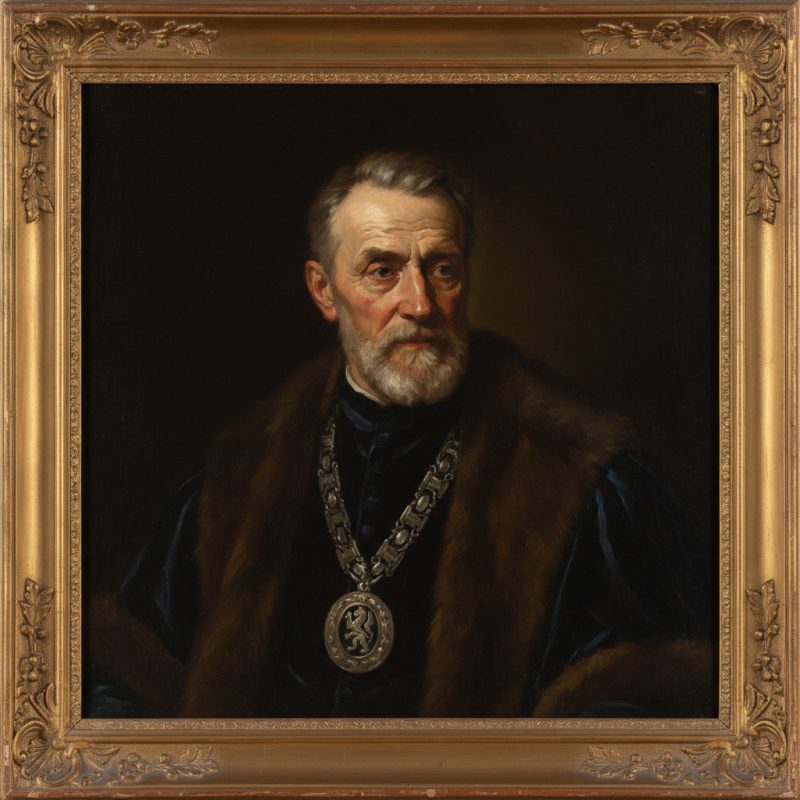
Chamberlain Iorgu
He arranges the king's audiences and, for a small courtesy, the order in which petitions are read.
1.77 m tall · grey eyes · brown hair · right-handed
-
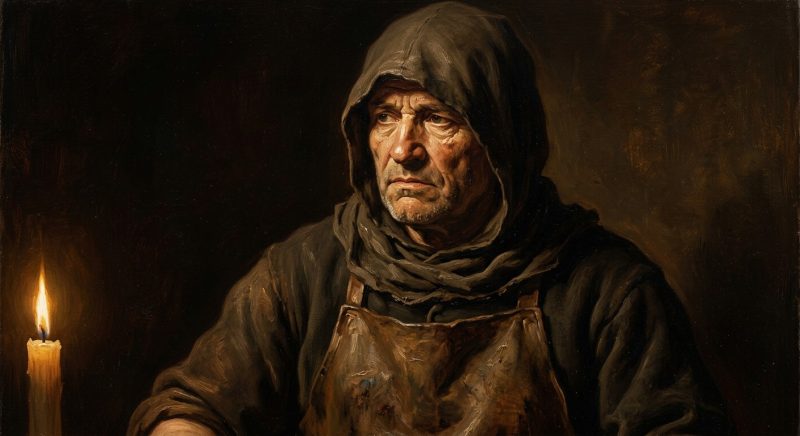
Onufrie the Executioner
A quiet man with a loud trade. He keeps a notebook of the last words of every condemned soul.
1.92 m tall · dark eyes · no hair · right-handed
-
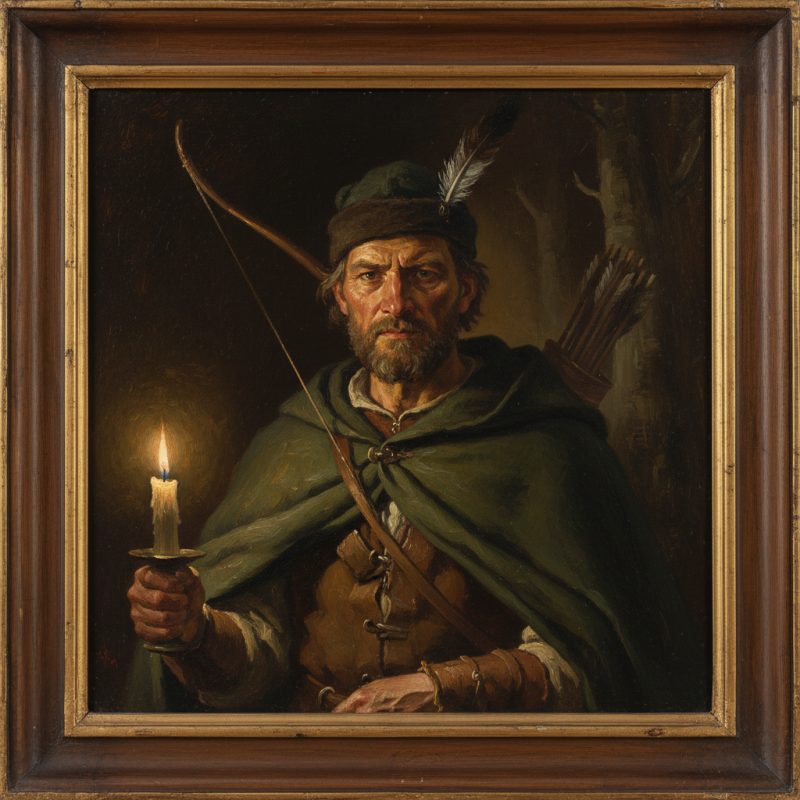
Codrin the Huntsman
He knows the royal forest better than the castle corridors. Tracks, he says, never lie - men do.
1.87 m tall · green eyes · black hair · right-handed
Locations
-
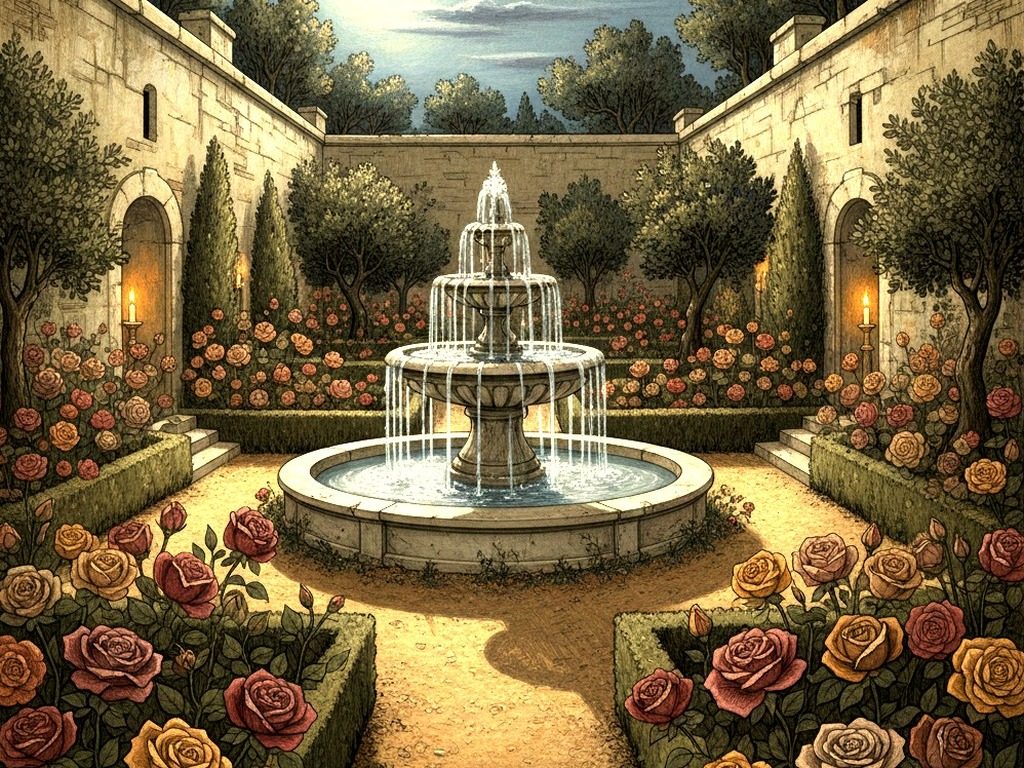
The queen's garden
Roses trimmed to a line and paths you may walk only by invitation. At night, the hedge has ears.
-
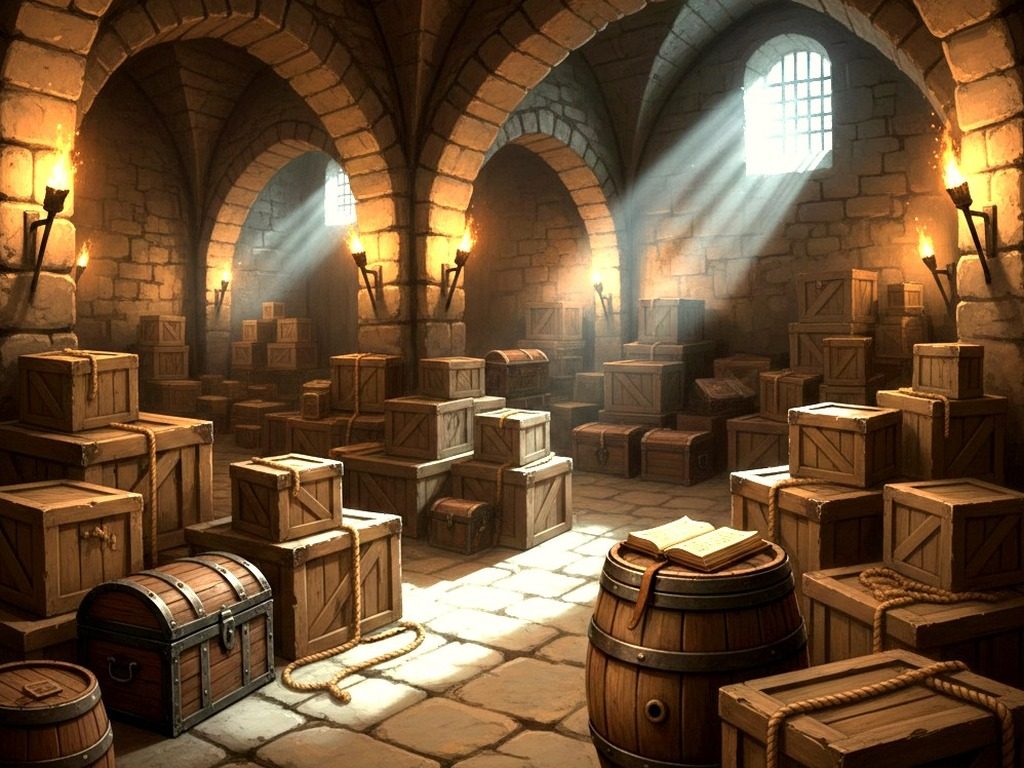
The customs cellar
Sealed crates, thick ledgers, and air that smells of undeclared goods.
-

The old dungeon
Cells abandoned since the new dungeon was built. "Abandoned" is one way of putting it.
-
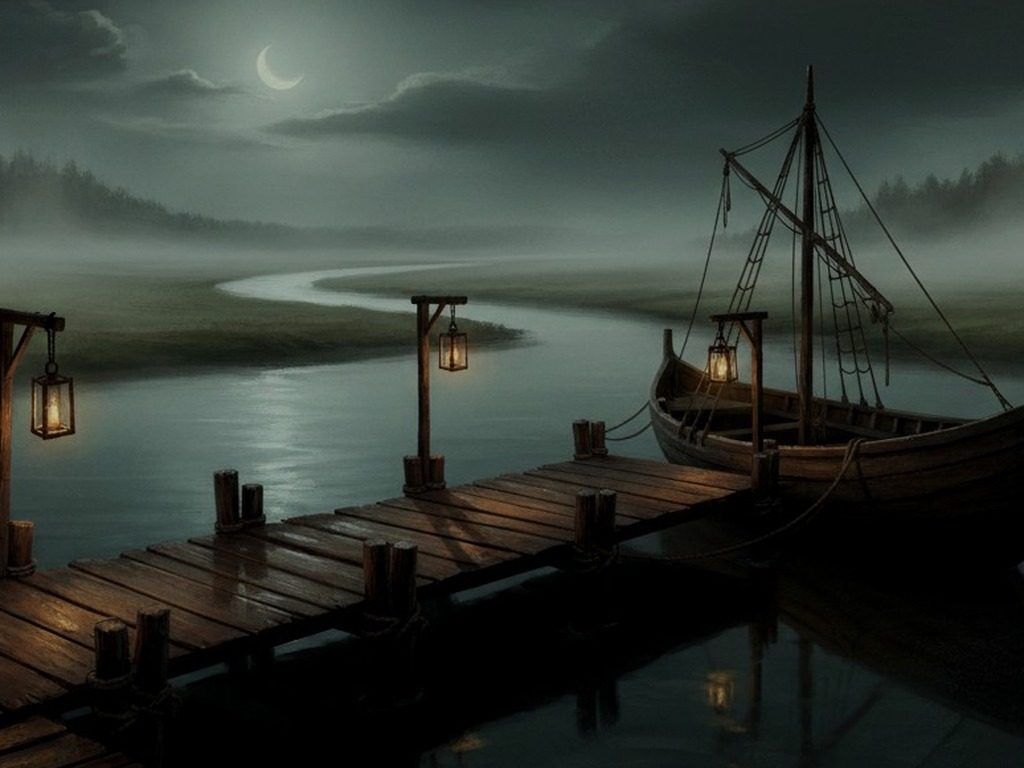
The wharf
Moored boats, wet ropes, and goods that prefer to arrive in the fog.
-
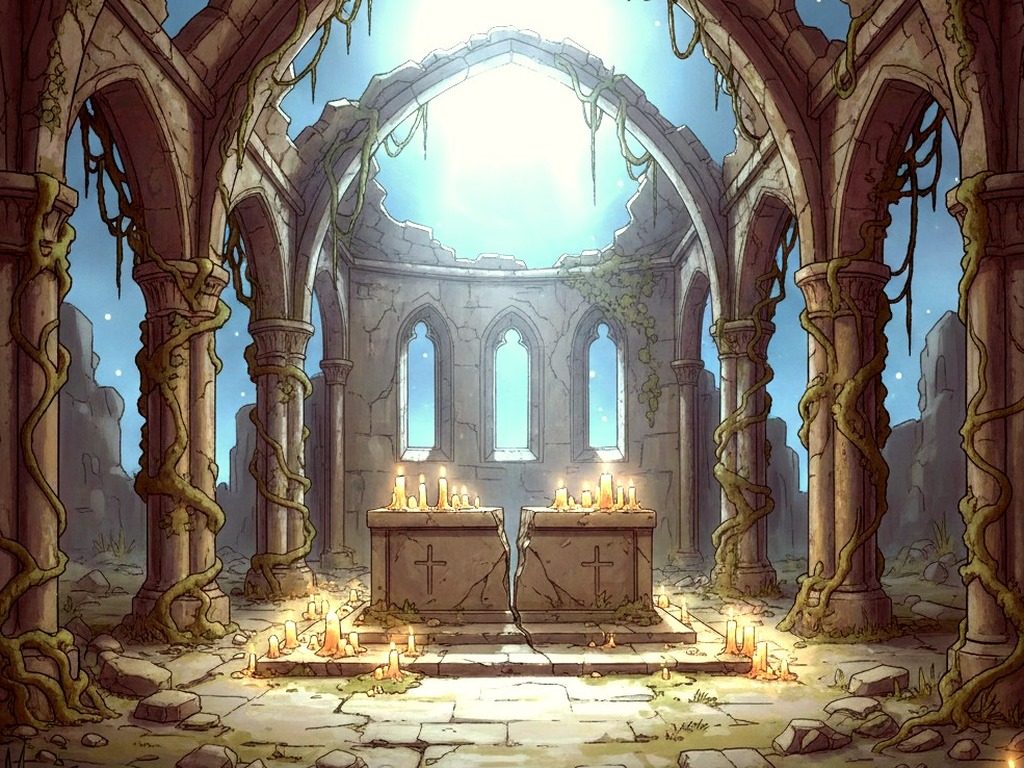
The old chapel
Candles, incense, and a silence in which every footstep echoes like a confession.
Objects
-
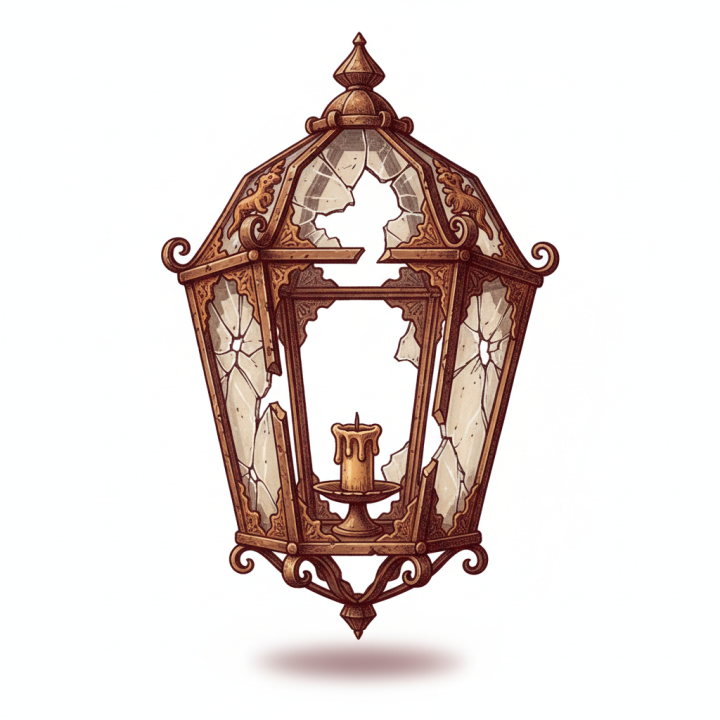
The broken lantern
The glass cracked, the wick burned to the end. Someone needed a lot of light, fast.
-

The abbess's bell
It calls the nuns to prayer. On the night in question, they all say, it rang once too many.
-

The small wine cask
Arin wine, the good year. The bung was pulled and put back by an unskilled hand.
-
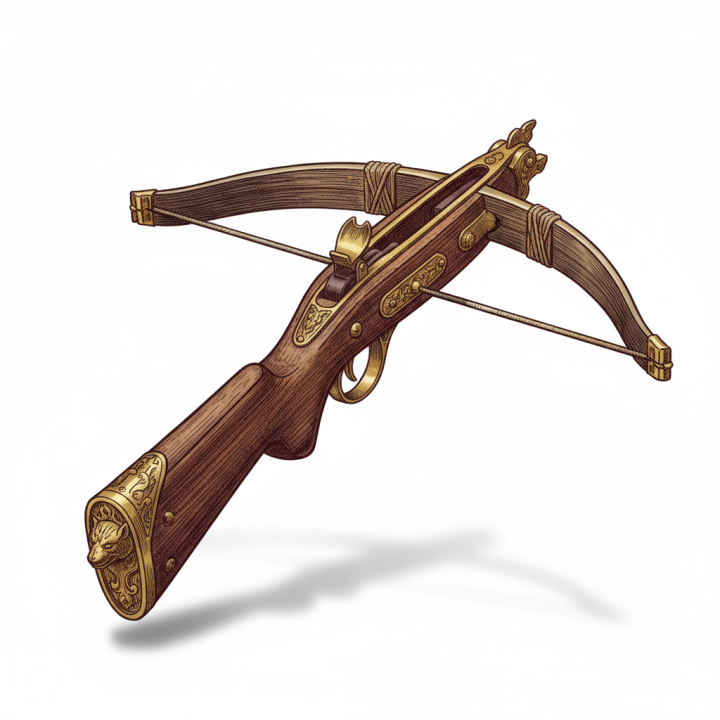
The hunting crossbow
Light, accurate, with a walnut stock. Exactly one bolt is missing from the quiver.
-
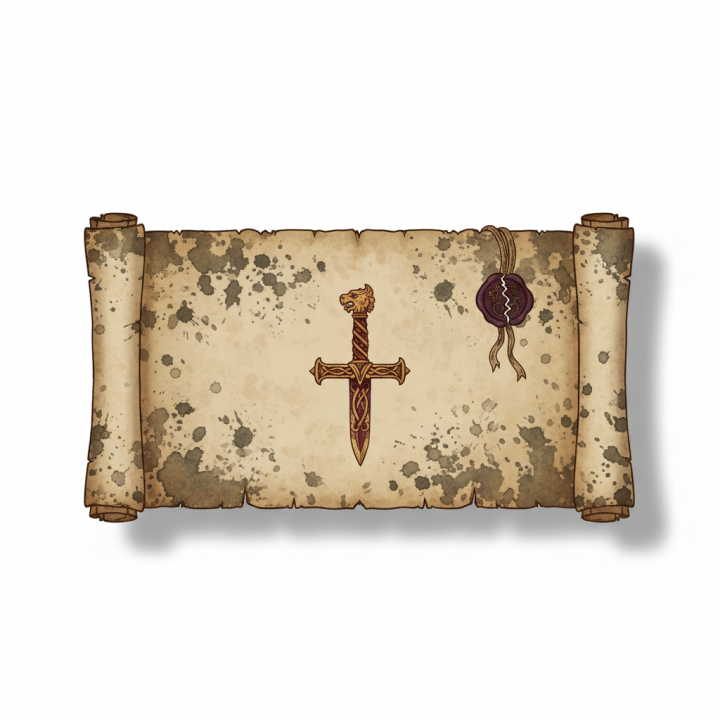
The stained parchment
A half-burned document with a stain that might be wine. Or not.
Motives
-

A debt of honour
O făgăduială care cântărește mai greu decât viața.
-

The inheritance
O avere așteptată, pe care numai o moarte o desparte de mână.
-

Blackmail
Un secret ținut ca funia la gât, strâns exact cât trebuie.
-

Greed
Dorința nesățioasă de avere, care nu se oprește la nimic.
-
Revenge
O datorie de sânge pe care numai fapta o mai șterge.
Moments
-

At dawn
When the citadel is barely waking and the guards still doze.
-

After matins
The hour after the morning service, when the abbey empties.
-

At noon
Midday, with bustle in the markets and silence in the alcoves.
-

At dusk
When the shadows lengthen and the lanterns are not yet lit.
-

At vespers
At the evening service, when the bells drown out any footstep.
Everything that could be learned
Nothing is missing from the list and nothing is surplus. Every row below is necessary: without it, the grid would allow several solutions at once.
- Two witnesses, upon their crest: the queen's garden and blackmail do not go together.
- An honest-faced witness saw it plainly: greed matches that hour: at vespers.
- The scouts confirm it: at suspects, the paths of the hour "at vespers" and the small wine cask diverge.
- In the Chancellery's ledger it stands in black and white: Costache the Toll-Keeper was there at noon.
- The chronicler notes drily: the wharf and a debt of honour go together, whatever the court may say.
- The gate guard swears: the stained parchment matches that hour: at dawn.
- The tracks in the dust do not lie: the bald suspect was at the wharf.
- The gate guard swears: the wharf and the broken lantern go together.
- A maid whispered it at confession: the old dungeon and the inheritance go together.
- The chronicler notes drily: the customs cellar and greed go together, whatever the court may say.
- In the Chancellery's ledger it stands in black and white: the abbess's bell and blackmail go together.
- Codrin the Huntsman raises their right hand and says: "I was driven by a debt of honour".
- The Chancellery checked twice: Codrin the Huntsman never touched the hunting crossbow.
- The chronicler notes drily: the abbess's bell matches that hour: at dusk, whatever the court may say.
- A maid whispered it at confession: the suspect with grey eyes was driven by the inheritance.
Break the seal: the Chancellery's reasoning — warning: past this line, the mystery ends
The unravelling of the thread
The Chancellery does not work with impressions. It works with a grid in which every cell has exactly one answer, and with the patience to find it.
The scouts brought their share as well: “Two witnesses, upon their crest: the queen's garden and blackmail do not go together”. The negation does not say who did it, but it says who did not — and in the end that is enough.
The examination of the place yielded this as well: “An honest-faced witness saw it plainly: greed matches that hour: at vespers”. The match was nailed down, and the rest of the row was left clean, like a page wiped with a sponge.
A witness of good faith cleared up one more corner: “The scouts confirm it: at suspects, the paths of the hour "at vespers" and the small wine cask diverge”. One more binding drew tight, and the grid lost a little more of its freedom.
From here things gathered pace. Within a few hours the file received: “In the Chancellery's ledger it stands in black and white: Costache the Toll-Keeper was there at noon”; “The chronicler notes drily: the wharf and a debt of honour go together, whatever the court may say”; “The gate guard swears: the stained parchment matches that hour: at dawn”; “The tracks in the dust do not lie: the bald suspect was at the wharf”; “The gate guard swears: the wharf and the broken lantern go together”; “A maid whispered it at confession: the old dungeon and the inheritance go together”; “The chronicler notes drily: the customs cellar and greed go together, whatever the court may say”; “In the Chancellery's ledger it stands in black and white: the abbess's bell and blackmail go together”; “Codrin the Huntsman raises their right hand and says: "I was driven by a debt of honour"”; “The Chancellery checked twice: Codrin the Huntsman never touched the hunting crossbow”. The investigation needed nothing further; what remained read itself.
From one word to the next, the investigation arrived here: “The chronicler notes drily: the abbess's bell matches that hour: at dusk, whatever the court may say”. A certain match thus enters the grid, and its row and column empty at once of every other possibility.
The gate register had kept a trace of its own: “A maid whispered it at confession: the suspect with grey eyes was driven by the inheritance”. One more certainty means, in a deduction grid, a whole fistful of impossibilities — and so it proved here.
The word that would not fit
One word was enough. Codrin the Huntsman swore before the Chancellery that I was driven by a debt of honour — and that alone would not sit with the rest of the file. The truth, drawn out of the other rows, runs thus: Codrin the Huntsman was not driven by a debt of honour. Whoever lies, under the Supreme Law, gives themselves away.
The close of the investigation
The Chancellery pronounced its verdict without hesitation: the culprit is Codrin the Huntsman. The row in the grid says it all: Codrin the Huntsman was at the old chapel, handled the abbess's bell, was driven by blackmail and was there at dusk. The dossier called for hypotheses driven to contradiction, not direct elimination alone — which is why it was rated at tier IV.
Those taken out of the circle
The innocent were not left without a story; each had a place of their own: Captain Vlaicu was at the customs cellar, handled the hunting crossbow, was driven by greed and was there at vespers; Costache the Toll-Keeper was at the queen's garden, handled the small wine cask, was driven by revenge and was there at noon; Chamberlain Iorgu was at the old dungeon, handled the stained parchment, was driven by the inheritance and was there at dawn; Onufrie the Executioner was at the wharf, handled the broken lantern, was driven by a debt of honour and was there after matins. Every one of these rows was necessary: take out a single one and the verdict can no longer be demonstrated.
The file sits on its shelf today, tied with red cord. What is worth keeping from it is not the culprit's name but the road: every step verifiable, none of them guessed.
Play this dossier All mysteries
This chronicle is no free retelling: it rises directly out of the dossier's logic, and every step passed through the solver which proved, before publication, that the solution is unique. behind the scenes at the Chancellery.