
Chronicle of the solution: The Feast Intrigue
Espionage Tier III
The spy has been caught, and the thread they left behind is unwound below, from one end to the other.
The dossier as it reached the desk
The council's secrets have reached where they never should have — and not on their own: someone carried them. What has leaked so far is hard to weigh; what might yet leak, impossible. The testimonies keep returning to the same names: Codrin the Huntsman, Princess Smaranda, Sava the Bell-Ringer, Duchess Amara de Corvin and Sword-Bearer Dragos. Among the things spoken of in whispers are the abbess's bell, the silver-clad icon, the royal seal, the ruby dagger and the ermine cloak. A sharp eye is not enough here — it takes an archivist's patience: fit everything together, then pronounce your verdict.
The dossier opened with Codrin the Huntsman, Princess Smaranda, Sava the Bell-Ringer, Duchess Amara de Corvin and Sword-Bearer Dragos — a short list, as the Chancellery likes them, because short means it can be finished.
The suspects
-
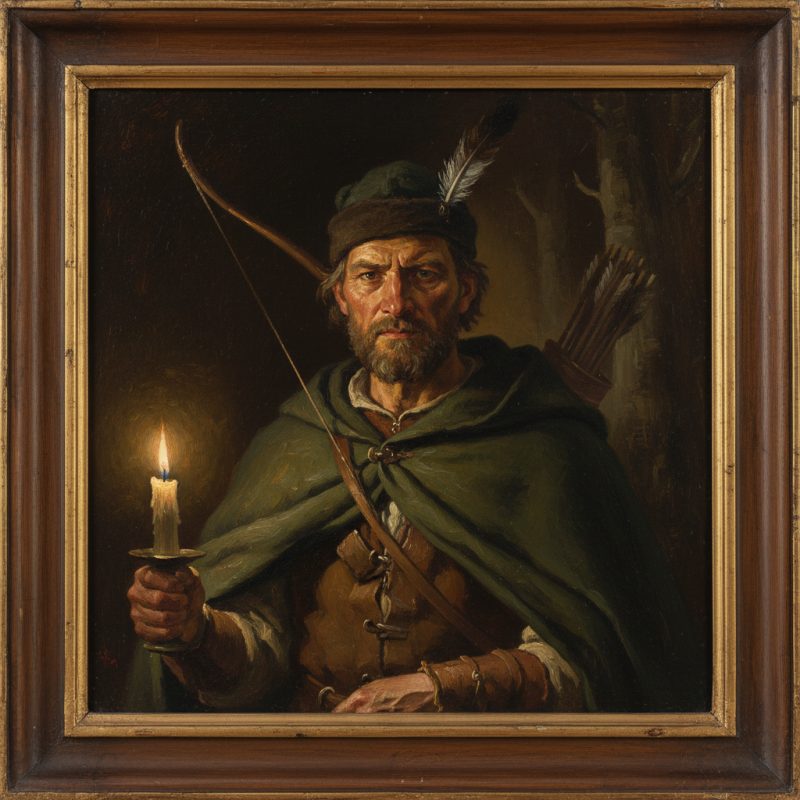
Codrin the Huntsman
He knows the royal forest better than the castle corridors. Tracks, he says, never lie - men do.
1.87 m tall · green eyes · black hair · right-handed
-

Princess Smaranda
She has refused seven suitors and kept the gifts of all. She calls it practicality, not greed.
1.66 m tall · green eyes · chestnut hair · right-handed
-

Sava the Bell-Ringer
He has rung the cathedral bells on the hour for thirty years. He sees the whole city from above and forgives nothing he sees.
1.83 m tall · brown eyes · greying hair · right-handed
-
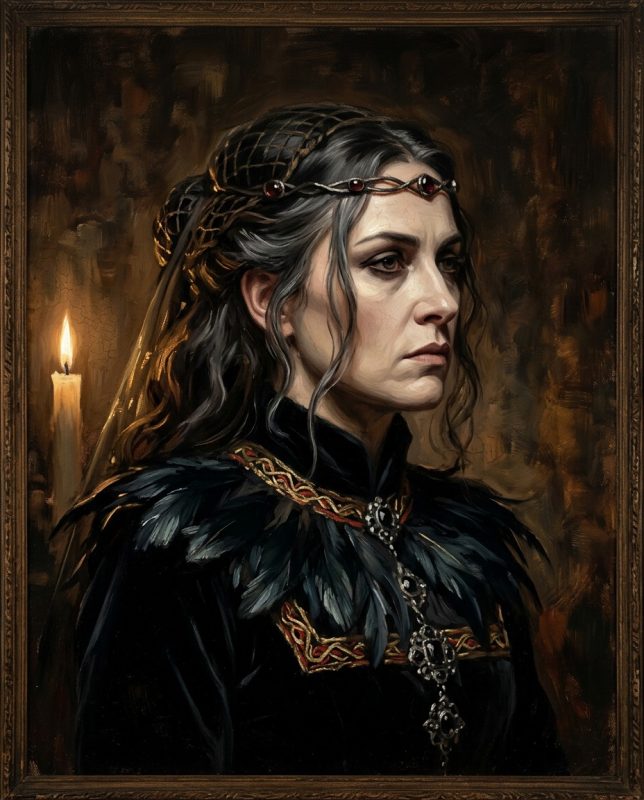
Duchess Amara de Corvin
Widowed three times, heir on each occasion. Her smile has buried more nobles than the plague.
1.68 m tall · dark eyes · black hair · right-handed
-
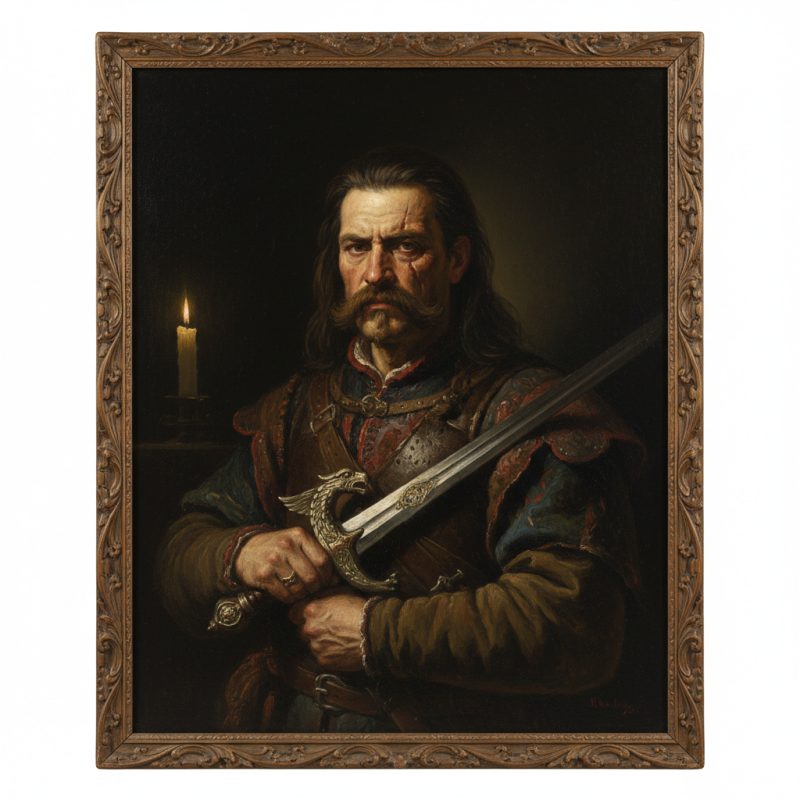
Sword-Bearer Dragos
He bears the king's ceremonial sword. At the tourney he has never lost; at dice, always.
1.86 m tall · brown eyes · chestnut hair · right-handed
Locations
-

The scriptorium
Slanted desks, ink, and working silence. Here a quill creaks louder than a conscience.
-

The old dungeon
Cells abandoned since the new dungeon was built. "Abandoned" is one way of putting it.
-
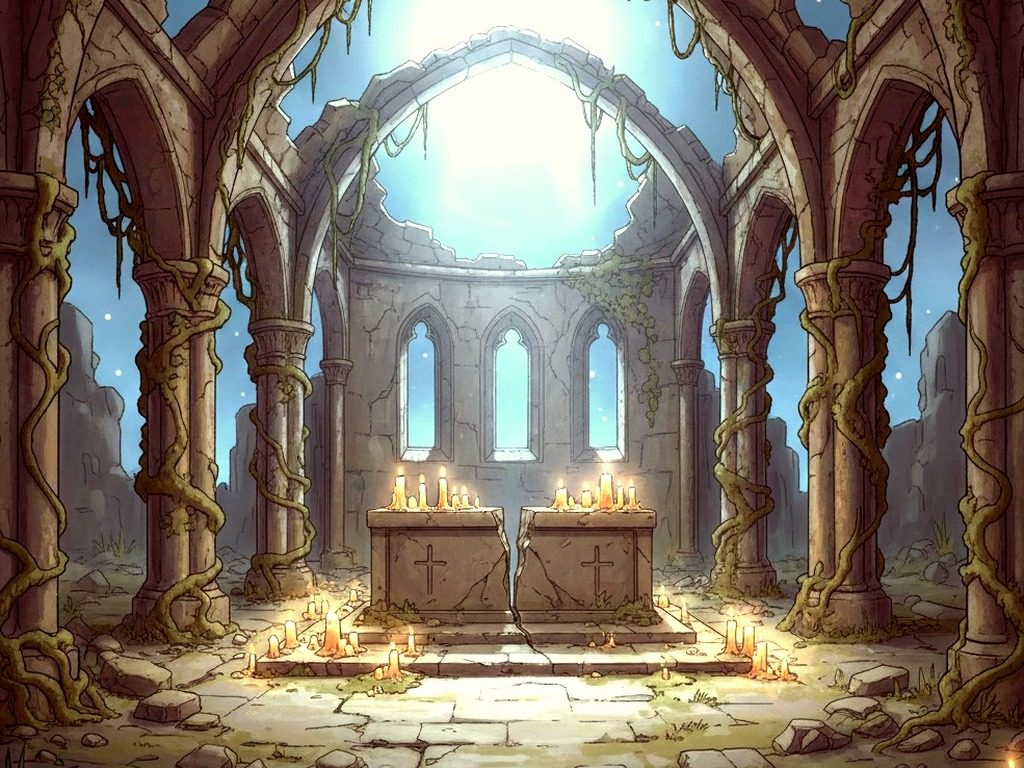
The old chapel
Candles, incense, and a silence in which every footstep echoes like a confession.
-

The watchtower
The highest point of the fortress. From here you see everything - and from below, everyone sees who climbs up.
-

The merchant's house
Carpets brought from overseas and a desk with more secret drawers than drawers.
Objects
-

The abbess's bell
It calls the nuns to prayer. On the night in question, they all say, it rang once too many.
-
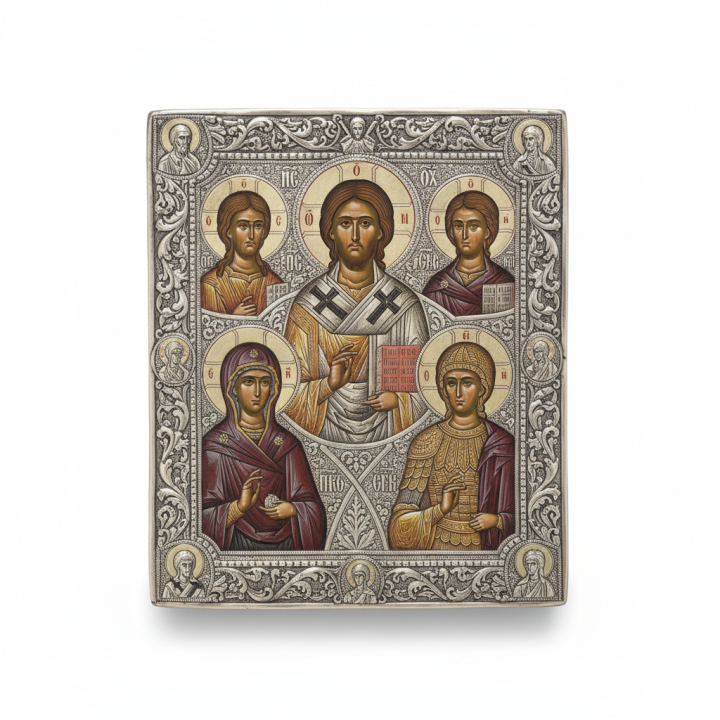
The silver-clad icon
The silver casing is old craftsmanship; the nails that hold it were driven this week.
-

The royal seal
Whoever holds it can seal any decree. Which is why it should not be wandering the kingdom.
-

The ruby dagger
A short blade, its hilt set with a stone red as a frozen drop. It was sharpened recently.
-

The ermine cloak
White fur with black tails - only the royal family may wear it. It has a tear at the hem.
Motives
-

A debt of honour
O făgăduială care cântărește mai greu decât viața.
-

Jealousy
Otrava care mistuie pe cel ce râvnește ce nu-i al lui.
-

The inheritance
O avere așteptată, pe care numai o moarte o desparte de mână.
-

Greed
Dorința nesățioasă de avere, care nu se oprește la nimic.
-

Blackmail
Un secret ținut ca funia la gât, strâns exact cât trebuie.
Moments
-

At dawn
When the citadel is barely waking and the guards still doze.
-

After matins
The hour after the morning service, when the abbey empties.
-

At noon
Midday, with bustle in the markets and silence in the alcoves.
-

At dusk
When the shadows lengthen and the lanterns are not yet lit.
-

At vespers
At the evening service, when the bells drown out any footstep.
The testimonies on file
Nothing is missing from the list and nothing is surplus. Every row below is necessary: without it, the grid would allow several solutions at once.
- The chronicler notes drily: jealousy matches that hour: at dawn, whatever the court may say.
- The traces left at the scene show it plainly: the culprit handled the royal seal.
- A maid whispered it at confession: the old chapel and the ermine cloak go together.
- By the order of the hours, first comes Princess Smaranda, then Sava the Bell-Ringer.
- The tracks in the dust do not lie: the ruby dagger matches that hour: after matins.
- In the Chancellery's ledger it stands in black and white: the scriptorium and the silver-clad icon go together.
- A maid whispered it at confession: Duchess Amara de Corvin was driven by the inheritance.
- The bell-ringer remembers well: Princess Smaranda came earlier than Duchess Amara de Corvin.
- A maid whispered it at confession: Codrin the Huntsman was driven by blackmail.
- In the Chancellery's ledger it stands in black and white: the old dungeon and the inheritance go together.
- A maid whispered it at confession: the ermine cloak and a debt of honour go together.
- Codrin the Huntsman raises their right hand and says: "I handled the ruby dagger".
- The tracks in the dust do not lie: the merchant's house and the abbess's bell go together.
- In the Chancellery's ledger it stands in black and white: Sword-Bearer Dragos handled the silver-clad icon.
- The chronicler notes drily: the abbess's bell matches that hour: at dusk, whatever the court may say.
Reveal the Chancellery's reasoning — open only if you have already tried the dossier
The reasoning, step by step
The investigator guessed at nothing. Each finding went to its place in the grid, each testimony passed through the sieve of the Supreme Law, and elimination did the rest.
The Chancellery asked for one more check, and received it: “The chronicler notes drily: jealousy matches that hour: at dawn, whatever the court may say”. The match was nailed down, and the rest of the row was left clean, like a page wiped with a sponge.
A detail overlooked at the start came back into the file: “The traces left at the scene show it plainly: the culprit handled the royal seal”. A fact fastened to the culprit cuts without naming: whoever cannot carry it leaves the circle at once.
A note in the margin of the page read: “A maid whispered it at confession: the old chapel and the ermine cloak go together”. The cell filled, and around it a space opened: that is what a certain match does to a grid.
The pages gathered fast, and each cut a strip out of the grid: “By the order of the hours, first comes Princess Smaranda, then Sava the Bell-Ringer”; “The tracks in the dust do not lie: the ruby dagger matches that hour: after matins”; “In the Chancellery's ledger it stands in black and white: the scriptorium and the silver-clad icon go together”; “A maid whispered it at confession: Duchess Amara de Corvin was driven by the inheritance”; “The bell-ringer remembers well: Princess Smaranda came earlier than Duchess Amara de Corvin”; “A maid whispered it at confession: Codrin the Huntsman was driven by blackmail”; “In the Chancellery's ledger it stands in black and white: the old dungeon and the inheritance go together”; “A maid whispered it at confession: the ermine cloak and a debt of honour go together”; “Codrin the Huntsman raises their right hand and says: "I handled the ruby dagger"”; “The tracks in the dust do not lie: the merchant's house and the abbess's bell go together”. Each cut a strip out of the grid, and at the end of them the space remaining was the size of a name.
From one word to the next, the investigation arrived here: “In the Chancellery's ledger it stands in black and white: Sword-Bearer Dragos handled the silver-clad icon”. A pair was tied, and the knot dragged a whole handful of impossibilities after it.
The Chancellery began with what could be verified: “The chronicler notes drily: the abbess's bell matches that hour: at dusk, whatever the court may say”. A certain match thus enters the grid, and its row and column empty at once of every other possibility.
The lie
The Supreme Law worked here the other way about, and that is exactly why it is worth telling. The single testimony on file withstood checking. Since only the culprit lies, the fact that not one of those who spoke contradicted the grid took them out of the circle one by one — and the guilt was left with the one who chose to stay silent. Silence is no proof in itself, but here it was the only place the grid still left free.
The close of the investigation
The Chancellery's verdict: the culprit is Duchess Amara de Corvin. The arrangement in the grid is this: Duchess Amara de Corvin was at the old dungeon, handled the royal seal, was driven by the inheritance and was there at vespers. The dossier called for hypotheses driven to contradiction, not direct elimination alone — which is why it was rated at tier III.
Those taken out of the circle
And here is what had become of the others, in that same hour: Codrin the Huntsman was at the watchtower, handled the ruby dagger, was driven by blackmail and was there after matins; Princess Smaranda was at the old chapel, handled the ermine cloak, was driven by a debt of honour and was there at noon; Sava the Bell-Ringer was at the merchant's house, handled the abbess's bell, was driven by greed and was there at dusk; Sword-Bearer Dragos was at the scriptorium, handled the silver-clad icon, was driven by jealousy and was there at dawn. They look like rows of padding and they are not: the whole of the rest rests on them.
That is how a dossier closes: not with a well-contrived suspicion, but with the only arrangement the grid still allowed. The Chancellery needed no confession — it needed only logic.
Play this dossier All mysteries
Nothing in this chronicle is invented: the text rises out of the dossier's logic, and the dossier passed through the solver before publication, so that its solution is provably unique. behind the scenes at the Chancellery.