Chronicle of the solution: The Enigma of the Lady
Disappearance Tier II
What had been made invisible was found, and whoever hid it answers for it today. Here is the road there.
The opening of the investigation
A disappearance troubles the citadel, and rumor grows faster than truth. Every passing hour erases another trace, and the traces were few to begin with. Suspicion has fallen on Mother Evghenia, Castellan Ursu, Onufrie the Executioner and Grigore the Cupbearer — and until the proof is plain, none of these names leaves the room. Among the things spoken of in whispers are the hunting crossbow, the herald's horn, the ceremonial crown and the broken lantern. Take up the quill, follow the thread of the clues, and set your seal upon the verdict.
The Chancellery's list held Mother Evghenia, Castellan Ursu, Onufrie the Executioner and Grigore the Cupbearer, none of them further above suspicion than the next.
The suspects
-
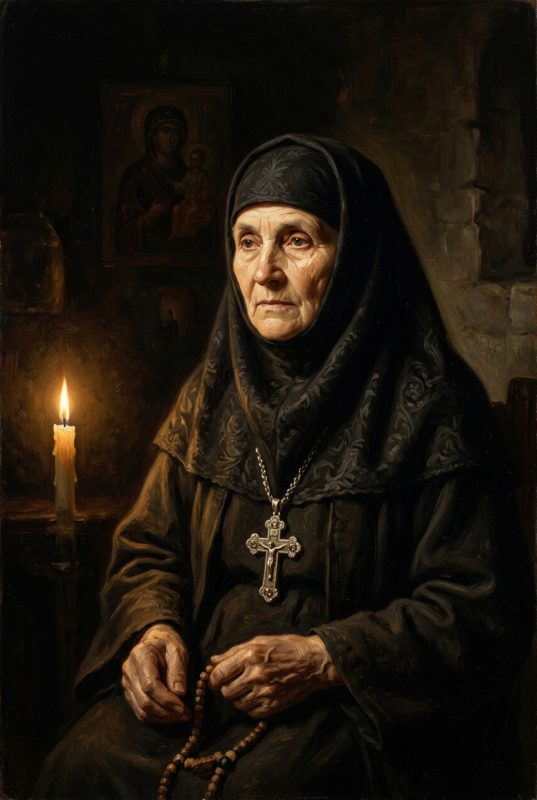
Mother Evghenia
She runs the abbey with an iron hand and a golden pen. The register of donations has pages she shows no one.
1.60 m tall · dark eyes · black hair · right-handed
-
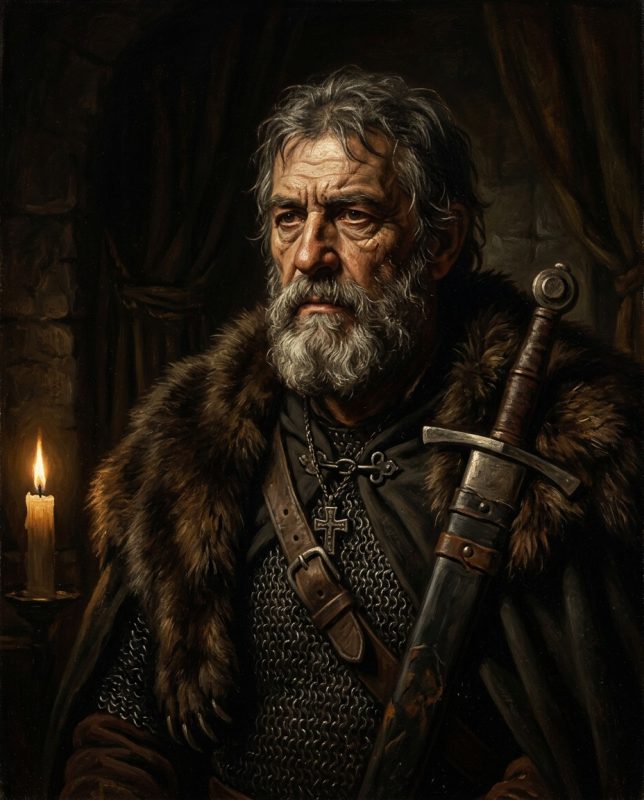
Castellan Ursu
He keeps the fortress dungeon and the tally of those who leave other than they entered.
1.90 m tall · dark eyes · black hair · right-handed
-
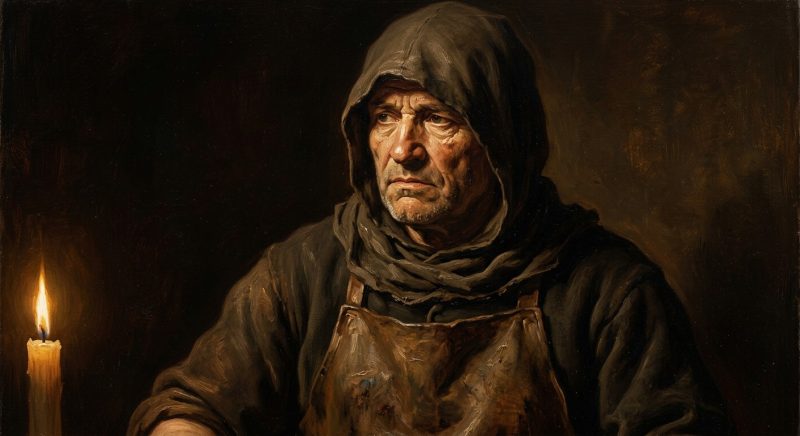
Onufrie the Executioner
A quiet man with a loud trade. He keeps a notebook of the last words of every condemned soul.
1.92 m tall · dark eyes · no hair · right-handed
-
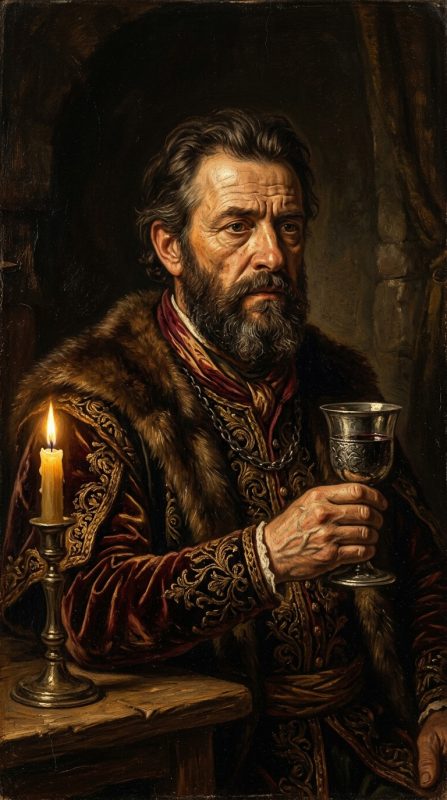
Grigore the Cupbearer
He tastes the king's wine before anyone else. A trade with a short future, he says, but a rich past.
1.70 m tall · brown eyes · chestnut hair · right-handed
Locations
-
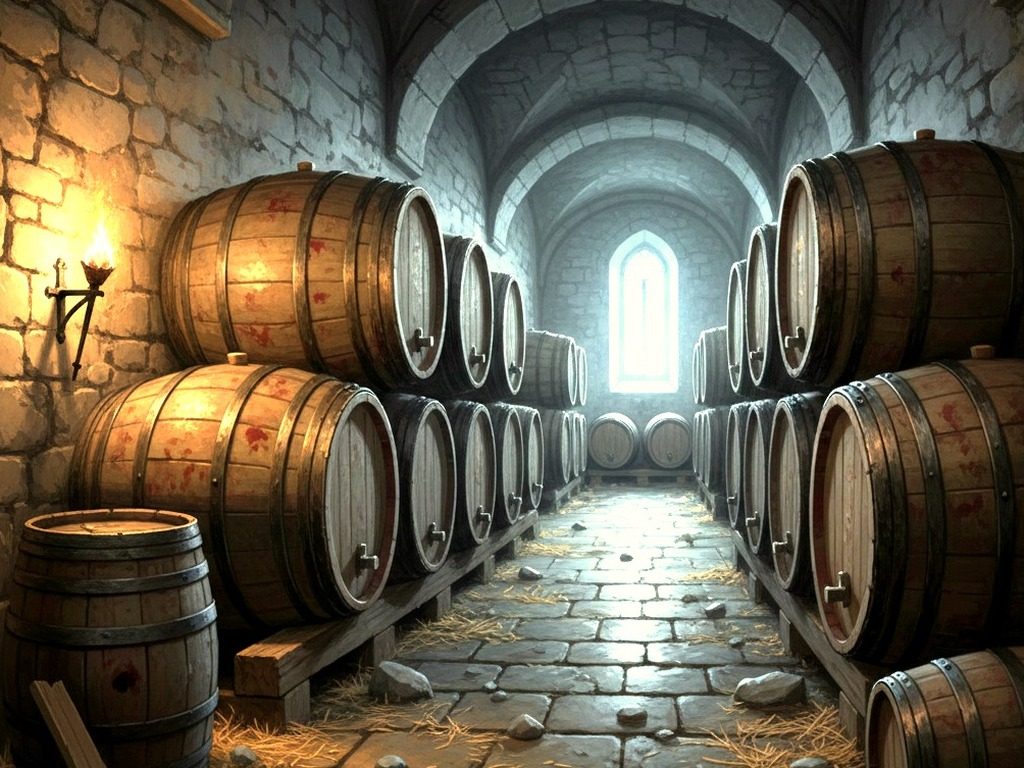
The castle cellar
Barrels as big as carts and corners the lantern never reaches.
-
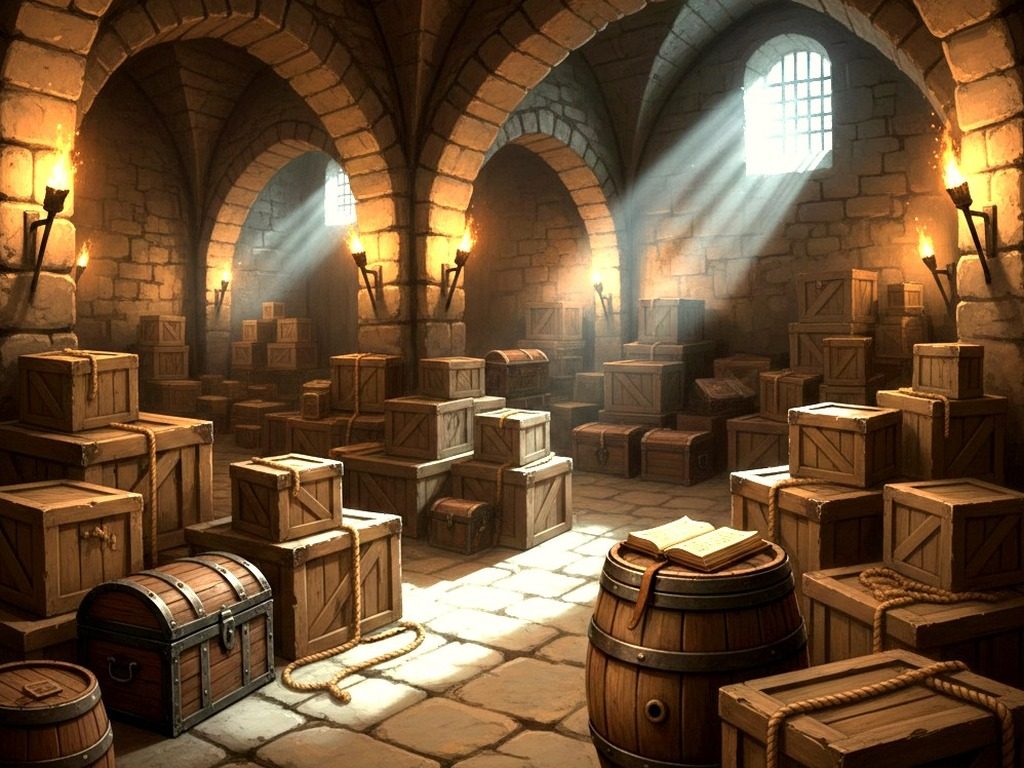
The customs cellar
Sealed crates, thick ledgers, and air that smells of undeclared goods.
-

The guild forge
Anvils, tongs, and a fire that never goes out. Many small metal things vanish here.
-

The watchtower
The highest point of the fortress. From here you see everything - and from below, everyone sees who climbs up.
Objects
-
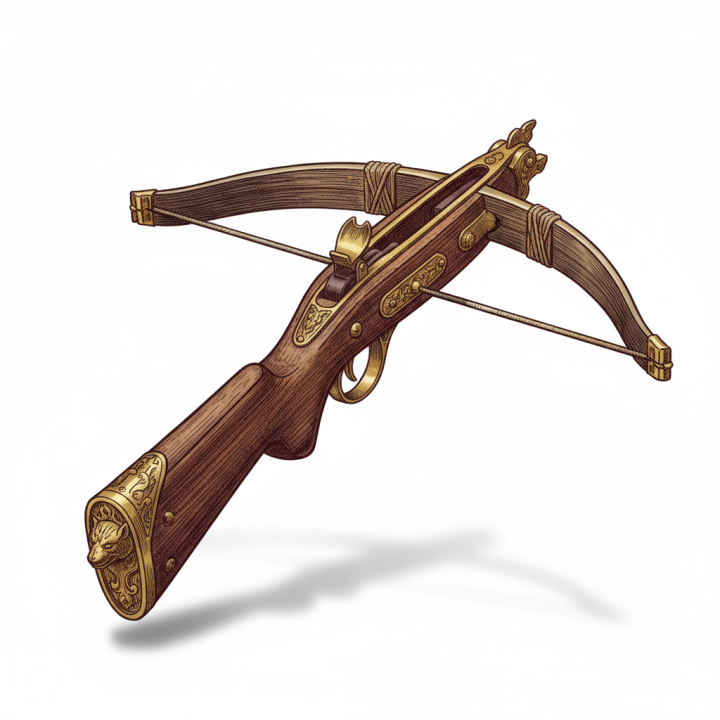
The hunting crossbow
Light, accurate, with a walnut stock. Exactly one bolt is missing from the quiver.
-
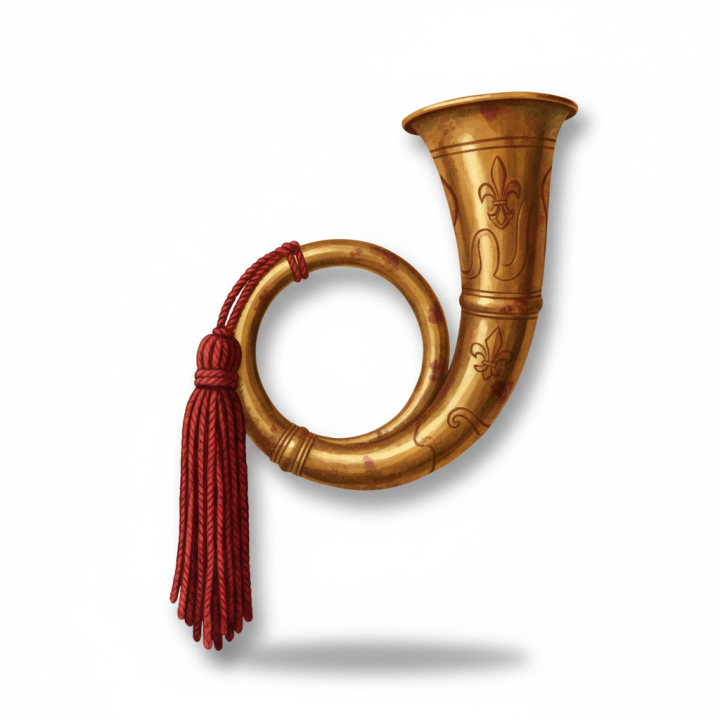
The herald's horn
It sounds the muster, the alarm, or the retreat. Whoever holds it can start a whole panic with a single breath.
-
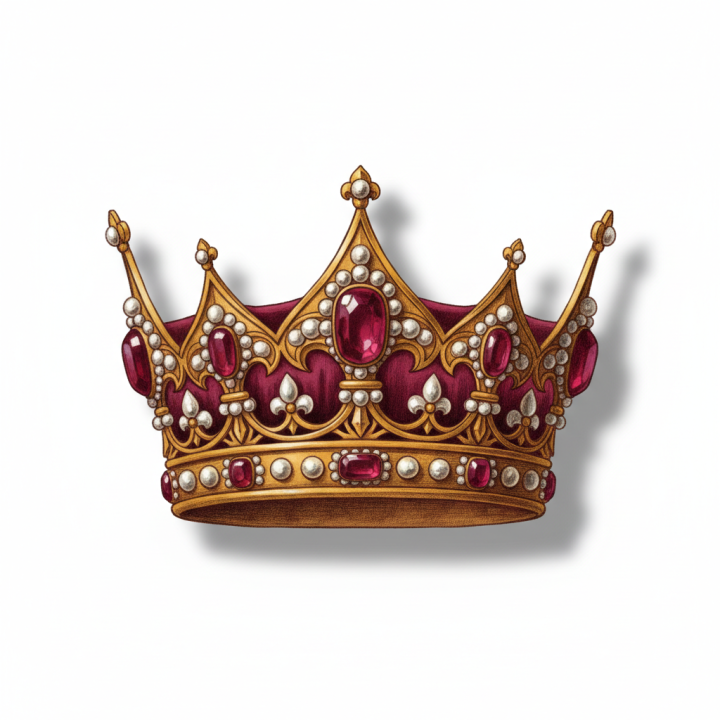
The ceremonial crown
The "wearable" copy of the true crown. At least, that was the idea.
-
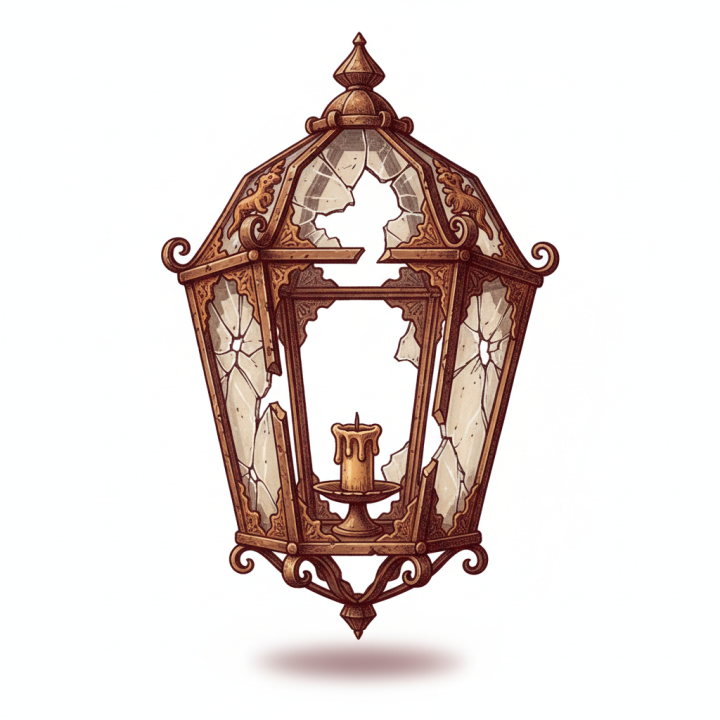
The broken lantern
The glass cracked, the wick burned to the end. Someone needed a lot of light, fast.
Moments
-

At dawn
When the citadel is barely waking and the guards still doze.
-

After matins
The hour after the morning service, when the abbey empties.
-

At noon
Midday, with bustle in the markets and silence in the alcoves.
-

At dusk
When the shadows lengthen and the lanterns are not yet lit.
The evidence gathered on file
These are all the findings and testimonies the Chancellery had to hand — not one more. The set is minimal by construction: take out a single row and the verdict can no longer be demonstrated.
- The chronicler notes drily: the castle cellar matches that hour: at noon, whatever the court may say.
- The Chancellery checked twice: Mother Evghenia never touched the broken lantern.
- The night watch saw Castellan Ursu first, and only then the bald suspect.
- In the Chancellery's ledger it stands in black and white: the customs cellar and the herald's horn go together.
- The gate guard swears: Grigore the Cupbearer handled the hunting crossbow.
- The tracks in the dust do not lie: the guild forge and the broken lantern go together.
- The bell-ringer remembers well: Grigore the Cupbearer came earlier than Onufrie the Executioner.
- An unsigned note, slipped under the door: "the culprit handled the herald's horn".
- In the Chancellery's ledger it stands in black and white: the bald suspect was there at noon.
- The customs register is clear: the hunting crossbow does not match that hour: after matins.
Reveal the Chancellery's reasoning — warning: past this line, the mystery ends
The road to the verdict
The rule of the house is simple: what is observed enters the grid as it stands; what is declared enters only once it is settled who declared it.
The archivist underlined the following line with his nail: “The chronicler notes drily: the castle cellar matches that hour: at noon, whatever the court may say”. From then on that cell could no longer be disputed, and the dispute moved one row down.
The clerk read the next line aloud: “The Chancellery checked twice: Mother Evghenia never touched the broken lantern”. A cross in the grid seems little, but every cross brings the row nearer the moment when one cell alone is left free.
A note in the margin of the page read: “The night watch saw Castellan Ursu first, and only then the bald suspect”. The finding found its place and never left it again.
There followed that run of small findings which, together, decide everything: “In the Chancellery's ledger it stands in black and white: the customs cellar and the herald's horn go together”; “The gate guard swears: Grigore the Cupbearer handled the hunting crossbow”; “The tracks in the dust do not lie: the guild forge and the broken lantern go together”; “The bell-ringer remembers well: Grigore the Cupbearer came earlier than Onufrie the Executioner”; “An unsigned note, slipped under the door: "the culprit handled the herald's horn"”. The investigation needed nothing further; what remained read itself.
Then this finding entered the file: “In the Chancellery's ledger it stands in black and white: the bald suspect was there at noon”. The match was nailed down, and the rest of the row was left clean, like a page wiped with a sponge.
The gate register had kept a trace of its own: “The customs register is clear: the hunting crossbow does not match that hour: after matins”. One more door closed. Investigations are not won on suspicions but on doors closed one at a time.
The culprit's name
The Chancellery's verdict: the culprit is Mother Evghenia. The grid shows plainly how matters stood: Mother Evghenia was at the customs cellar, handled the herald's horn and was there at dusk. Nothing was assumed along the way; every step can be redone with a pencil on paper.
What became of the others
The remaining suspects received their release from the grid too: Castellan Ursu was at the guild forge, handled the broken lantern and was there after matins; Onufrie the Executioner was at the castle cellar, handled the ceremonial crown and was there at noon; Grigore the Cupbearer was at the watchtower, handled the hunting crossbow and was there at dawn. It is these acquittals that made the verdict possible: without them, room for doubt would have remained.
The page closes. What is left of the whole affair is a truth that can be demonstrated, and that is worth more than a confession.
Play this dossier All mysteries
Everything you read above rests on the dossier itself. The Chancellery's solver checked, at publication, that the given clues yield exactly one solution — no more, and not none. behind the scenes at the Chancellery.