
Chronicle of the solution: The Enigma of the Blazon
Disappearance Tier IV
The gap left in the citadel has found its cause, and the cause a name. The whole reasoning follows below.
The dossier as it reached the desk
Something — or someone — has vanished in Realm of the Crown, and no one can say when the thread was cut. Every passing hour erases another trace, and the traces were few to begin with. On the Chancellery's list stand Filip the Steward, Castellan Ursu, Lady Ruxandra, Brother Anselm and Tintar the Jester; one of these names covers a lie. The testimonies cling to certain hours: "at dawn", "after matins", "at noon", "at dusk" and "at vespers". The threads were tangled on purpose: investigate, weigh every word, and pronounce your verdict only when the grid leaves no room for doubt.
The Chancellery's list held Filip the Steward, Castellan Ursu, Lady Ruxandra, Brother Anselm and Tintar the Jester, none of them further above suspicion than the next.
The suspects
-
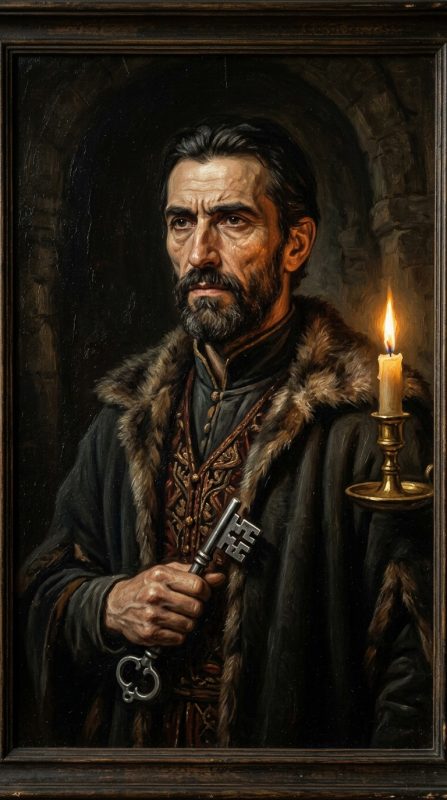
Filip the Steward
He counts the crown's silver every evening. On some evenings the count comes out different - and he says nothing.
1.79 m tall · grey eyes · chestnut hair · right-handed
-
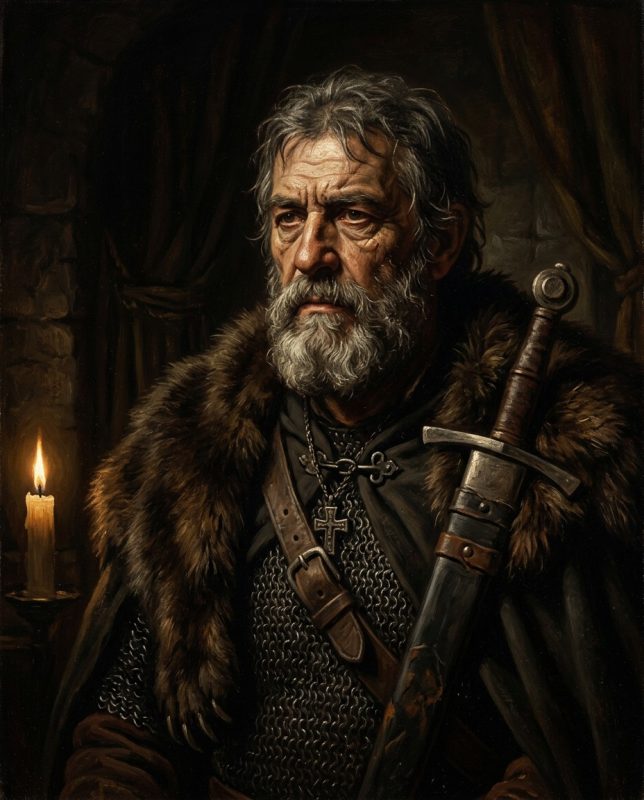
Castellan Ursu
He keeps the fortress dungeon and the tally of those who leave other than they entered.
1.90 m tall · dark eyes · black hair · right-handed
-
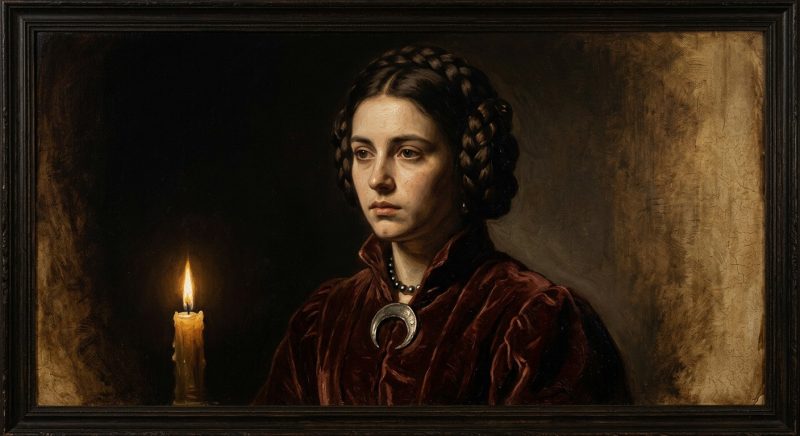
Lady Ruxandra
The queen's shadow at every hour. She hears everything, sees everything, and embroiders all she learns into patterns known only to her.
1.65 m tall · blue eyes · blond hair · right-handed
-

Brother Anselm
He has copied manuscripts for forty years. He knows what every one of them says - including the forbidden ones.
1.75 m tall · brown eyes · greying hair · right-handed
-

Tintar the Jester
The only man in the kingdom who may tell the king the truth - provided he makes it sound like a joke.
1.56 m tall · green eyes · red hair · right-handed
Locations
-

The wharf
Moored boats, wet ropes, and goods that prefer to arrive in the fog.
-
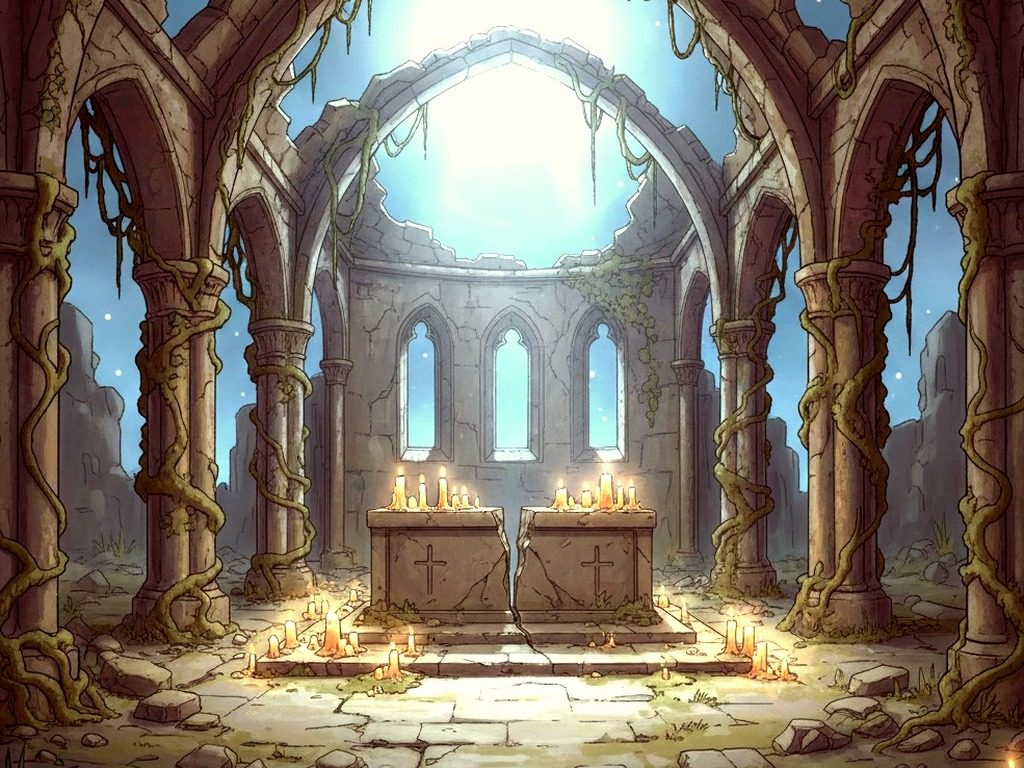
The old chapel
Candles, incense, and a silence in which every footstep echoes like a confession.
-
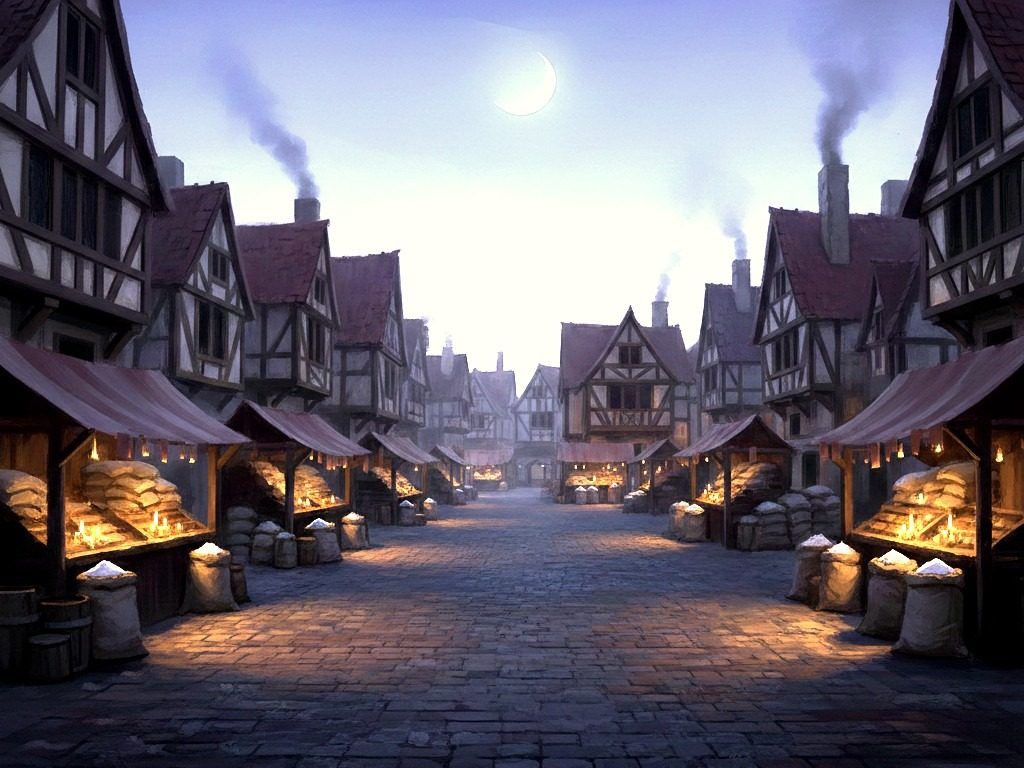
The salt market
Here anything is bargained for, from salt to silences. The price of silence keeps rising.
-
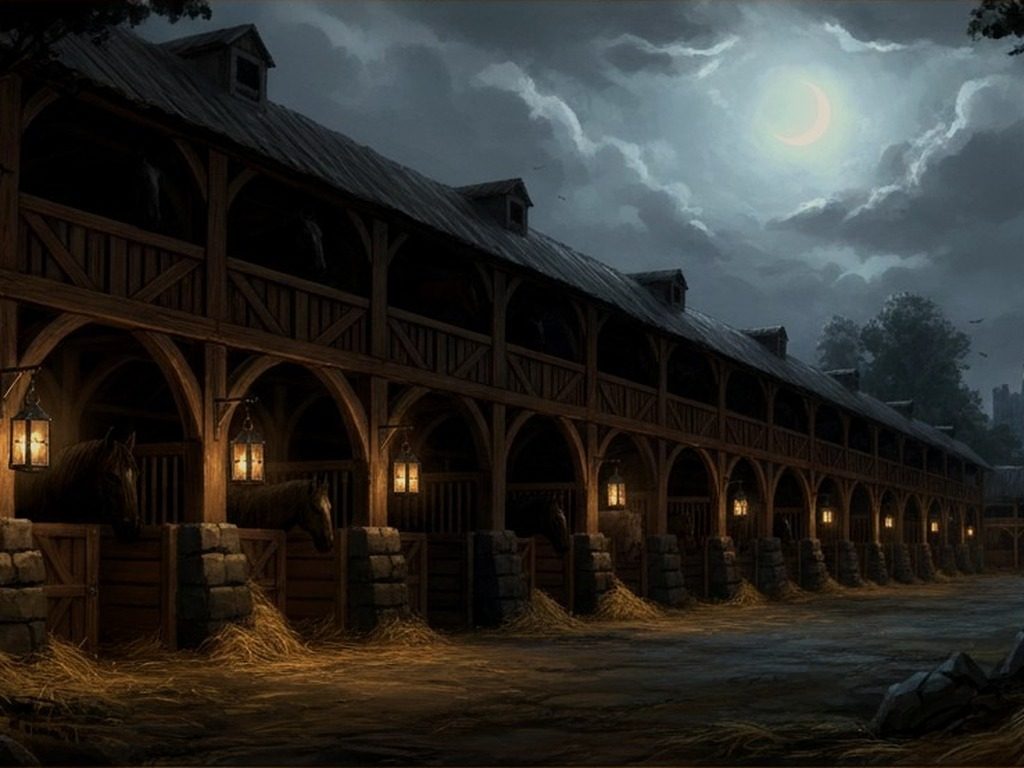
The great stable
It smells of hay and hurried departures. Horses give no testimony.
-
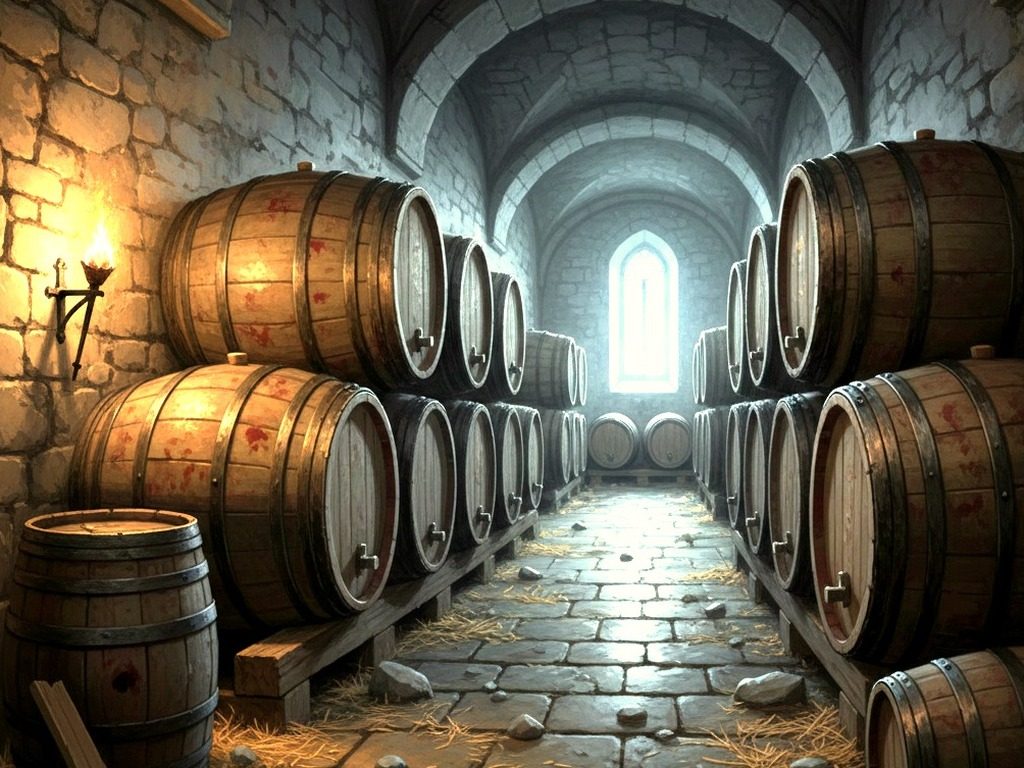
The castle cellar
Barrels as big as carts and corners the lantern never reaches.
Objects
-
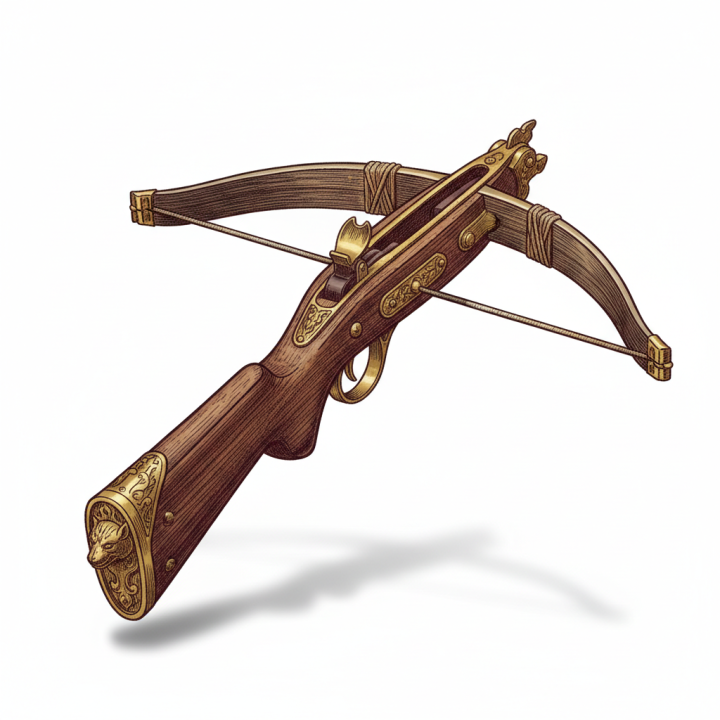
The hunting crossbow
Light, accurate, with a walnut stock. Exactly one bolt is missing from the quiver.
-

The royal seal
Whoever holds it can seal any decree. Which is why it should not be wandering the kingdom.
-
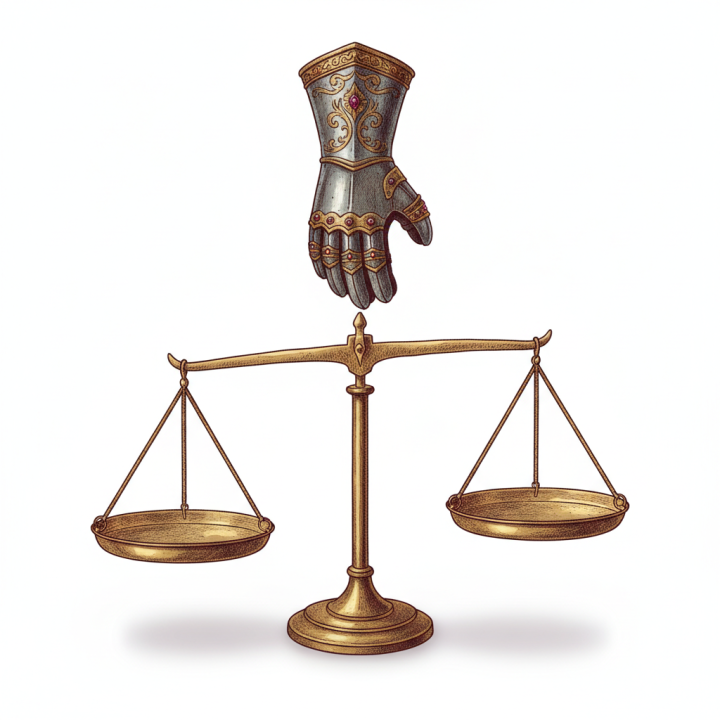
The customs scales
Copper pans, sealed weights. One of the weights rings hollow.
-
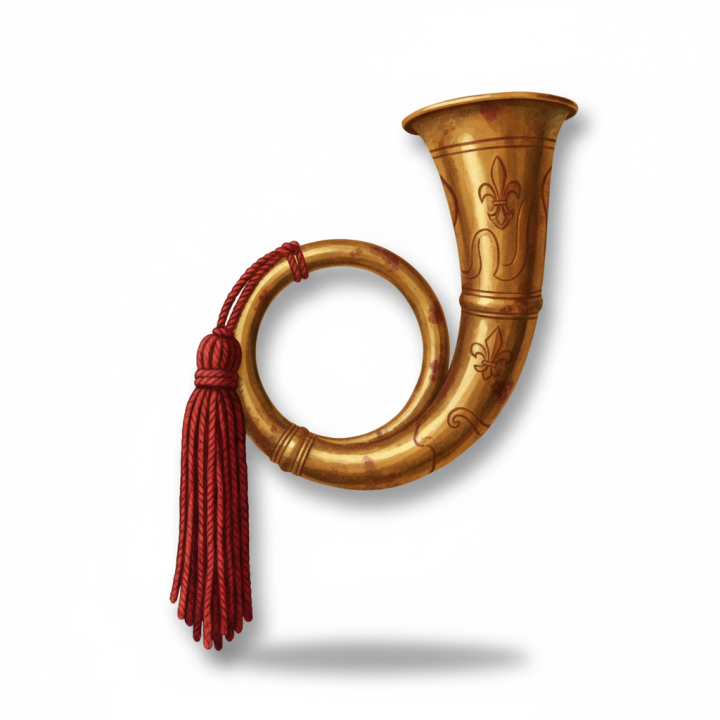
The herald's horn
It sounds the muster, the alarm, or the retreat. Whoever holds it can start a whole panic with a single breath.
-
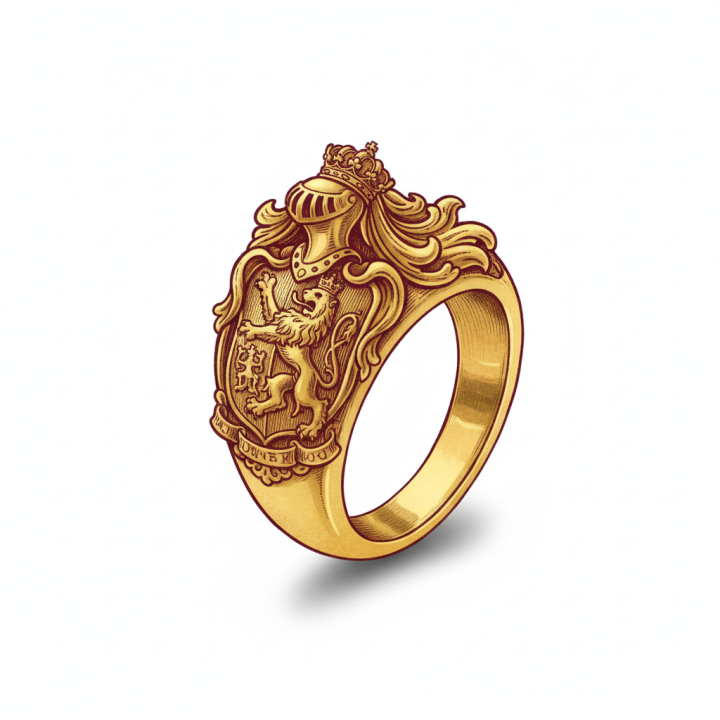
The signet ring
The crest has been filed away almost completely. Almost.
Motives
-

The inheritance
O avere așteptată, pe care numai o moarte o desparte de mână.
-

Greed
Dorința nesățioasă de avere, care nu se oprește la nimic.
-

Revenge
O datorie de sânge pe care numai fapta o mai șterge.
-

Blackmail
Un secret ținut ca funia la gât, strâns exact cât trebuie.
-

Jealousy
Otrava care mistuie pe cel ce râvnește ce nu-i al lui.
Moments
-

At dawn
When the citadel is barely waking and the guards still doze.
-

After matins
The hour after the morning service, when the abbey empties.
-

At noon
Midday, with bustle in the markets and silence in the alcoves.
-

At dusk
When the shadows lengthen and the lanterns are not yet lit.
-

At vespers
At the evening service, when the bells drown out any footstep.
The testimonies on file
These are all the findings and testimonies the Chancellery had to hand — not one more. The set is minimal by construction: take out a single row and the verdict can no longer be demonstrated.
- An honest-faced witness saw it plainly: the salt market matches that hour: at dusk.
- The Chancellery checked twice: the royal seal does not match that hour: at dawn.
- A maid whispered it at confession: Brother Anselm was there at noon.
- The chronicler notes drily: the tallest suspect handled the herald's horn, whatever the court may say.
- A maid whispered it at confession: greed matches that hour: after matins.
- Filip the Steward raises their right hand and says: "I handled the hunting crossbow".
- At the Chancellery, Tintar the Jester maintains: "I was there at dawn".
- In the Chancellery's ledger it stands in black and white: the hunting crossbow and blackmail go together.
- The chronicler notes drily: blackmail matches that hour: at noon, whatever the court may say.
- In the Chancellery's ledger it stands in black and white: the great stable and the inheritance go together.
- The traces left at the scene show it plainly: the culprit was driven by greed.
- In the Chancellery's ledger it stands in black and white: Castellan Ursu was in the place where goods arrive in the fog.
- The chancellor deduced it coldly: if Brother Anselm handled the hunting crossbow, then Brother Anselm was in the place where every footstep echoes like a confession.
- The chronicler notes drily: the signet ring and jealousy go together, whatever the court may say.
Break the seal: the Chancellery's reasoning — warning: past this line, the mystery ends
The road to the verdict
The investigation ran contrary to suspicion: it did not ask who could have, it cut away, row by row, whoever could not.
A witness of good faith cleared up one more corner: “An honest-faced witness saw it plainly: the salt market matches that hour: at dusk”. The cell filled, and around it a space opened: that is what a certain match does to a grid.
The Chancellery asked for one more check, and received it: “The Chancellery checked twice: the royal seal does not match that hour: at dawn”. The negation does not say who did it, but it says who did not — and in the end that is enough.
The next line was the one that changed the reckoning: “A maid whispered it at confession: Brother Anselm was there at noon”. The match was nailed down, and the rest of the row was left clean, like a page wiped with a sponge.
There followed that run of small findings which, together, decide everything: “The chronicler notes drily: the tallest suspect handled the herald's horn, whatever the court may say”; “A maid whispered it at confession: greed matches that hour: after matins”; “Filip the Steward raises their right hand and says: "I handled the hunting crossbow"”; “At the Chancellery, Tintar the Jester maintains: "I was there at dawn"”; “In the Chancellery's ledger it stands in black and white: the hunting crossbow and blackmail go together”; “The chronicler notes drily: blackmail matches that hour: at noon, whatever the court may say”; “In the Chancellery's ledger it stands in black and white: the great stable and the inheritance go together”; “The traces left at the scene show it plainly: the culprit was driven by greed”; “In the Chancellery's ledger it stands in black and white: Castellan Ursu was in the place where goods arrive in the fog”. The grid emptied before one's eyes, and what stayed in it could no longer be doubted.
The clerk read the next line aloud: “The chancellor deduced it coldly: if Brother Anselm handled the hunting crossbow, then Brother Anselm was in the place where every footstep echoes like a confession”. Here patience was needed: this line did no work until others had prepared the ground for it.
The Chancellery began with what could be verified: “The chronicler notes drily: the signet ring and jealousy go together, whatever the court may say”. A certain match thus enters the grid, and its row and column empty at once of every other possibility.
The word that would not fit
The whole investigation rested, in the end, on a single sentence. Filip the Steward swore before the Chancellery that I handled the hunting crossbow. The grid, however, says otherwise: Filip the Steward never touched the hunting crossbow. One lying testimony fits inside a dossier, and it always belongs to the same hand — under the Supreme Law, the culprit's.
The verdict
After every cut, one possible suspect was left in the file: Filip the Steward. At the hour of the deed, Filip the Steward was at the castle cellar, handled the royal seal, was driven by greed and was there after matins. The dossier called for hypotheses driven to contradiction, not direct elimination alone — which is why it was rated at tier IV.
Those taken out of the circle
And here is what had become of the others, in that same hour: Castellan Ursu was at the wharf, handled the herald's horn, was driven by revenge and was there at vespers; Lady Ruxandra was at the salt market, handled the signet ring, was driven by jealousy and was there at dusk; Brother Anselm was at the old chapel, handled the hunting crossbow, was driven by blackmail and was there at noon; Tintar the Jester was at the great stable, handled the customs scales, was driven by the inheritance and was there at dawn. Every one of these rows was necessary: take out a single one and the verdict can no longer be demonstrated.
The file sits on its shelf today, tied with red cord. What is worth keeping from it is not the culprit's name but the road: every step verifiable, none of them guessed.
Play this dossier All mysteries
The chronicle is written from the logic of the file, not from memory. The uniqueness of the solution was demonstrated by the solver before the dossier ever became public. behind the scenes at the Chancellery.