
Chronicle of the solution: The Dawn Intrigue
Forged decree Tier III
The file on the forged decree is closed; what remains is the reasoning, which deserves keeping rather more than the deed.
The opening of the investigation
A parchment full of orders no one ever gave is circulating through Realm of the Crown, and the harm has only begun. Whoever drew it up knew the Chancellery's ways by heart — and that is precisely what betrays them. Before you, one by one, will stand Pantelimon the Gardener, Duchess Amara de Corvin, Lady Ruxandra and Manole the Jeweller. Rumor walks the deed through every corner: the throne room, the Golden Boar inn, the old chapel and the abbey library. Few files have tested so many investigators; untangle the threads, catch the lie, and pronounce your verdict.
Suspicion settled on these: Pantelimon the Gardener, Duchess Amara de Corvin, Lady Ruxandra and Manole the Jeweller. From then on the names mattered less than what could be proved about each.
The suspects
-
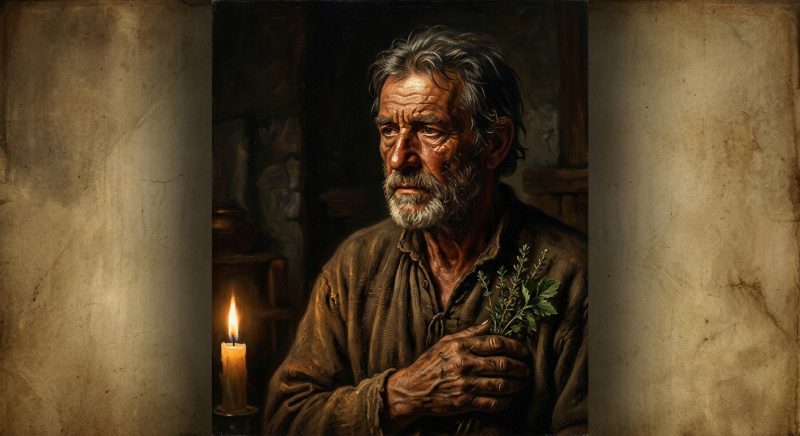
Pantelimon the Gardener
He tends the queen's roses and no one's beds of belladonna. The second garden is the more sought-after.
1.73 m tall · green eyes · greying hair · right-handed
-
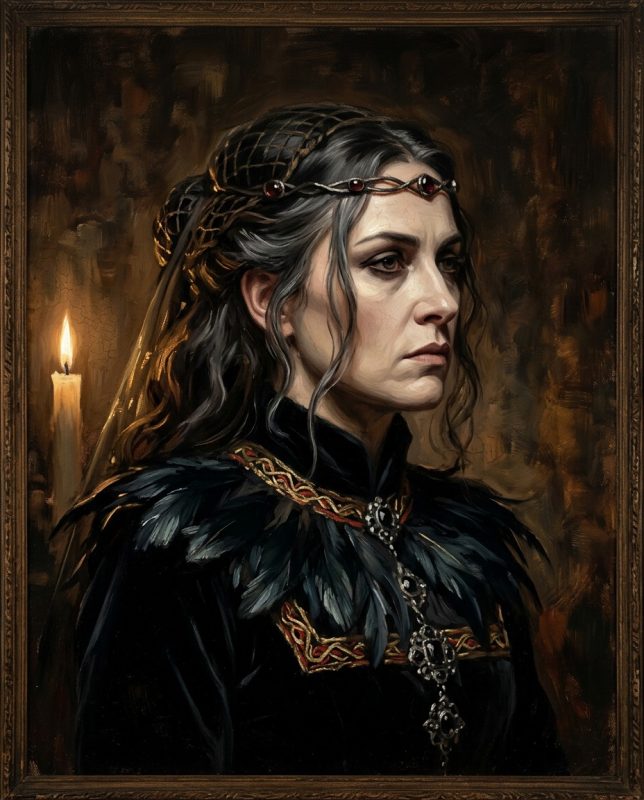
Duchess Amara de Corvin
Widowed three times, heir on each occasion. Her smile has buried more nobles than the plague.
1.68 m tall · dark eyes · black hair · right-handed
-
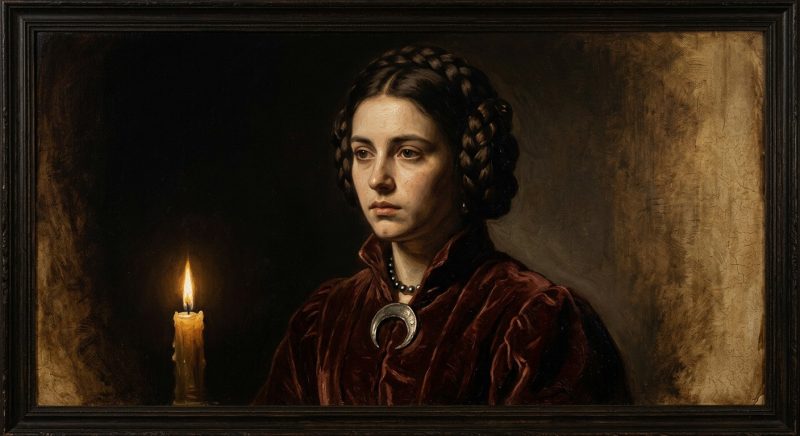
Lady Ruxandra
The queen's shadow at every hour. She hears everything, sees everything, and embroiders all she learns into patterns known only to her.
1.65 m tall · blue eyes · blond hair · right-handed
-
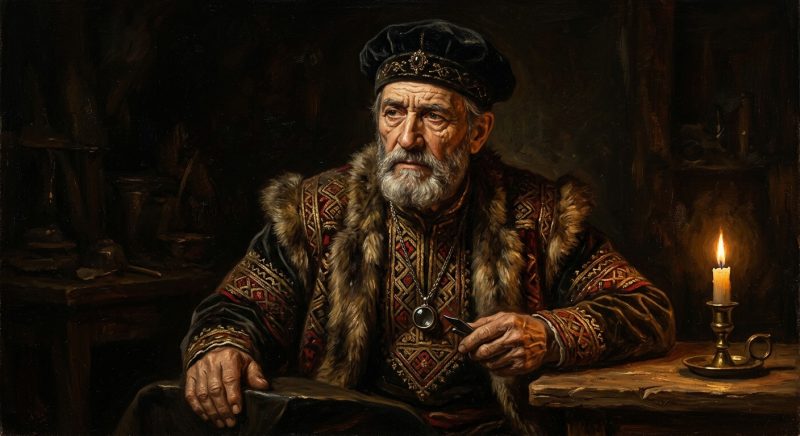
Manole the Jeweller
He tells gold from gilt at a glance. With people, he admits, it takes him two.
1.69 m tall · brown eyes · brown hair · right-handed
Locations
-
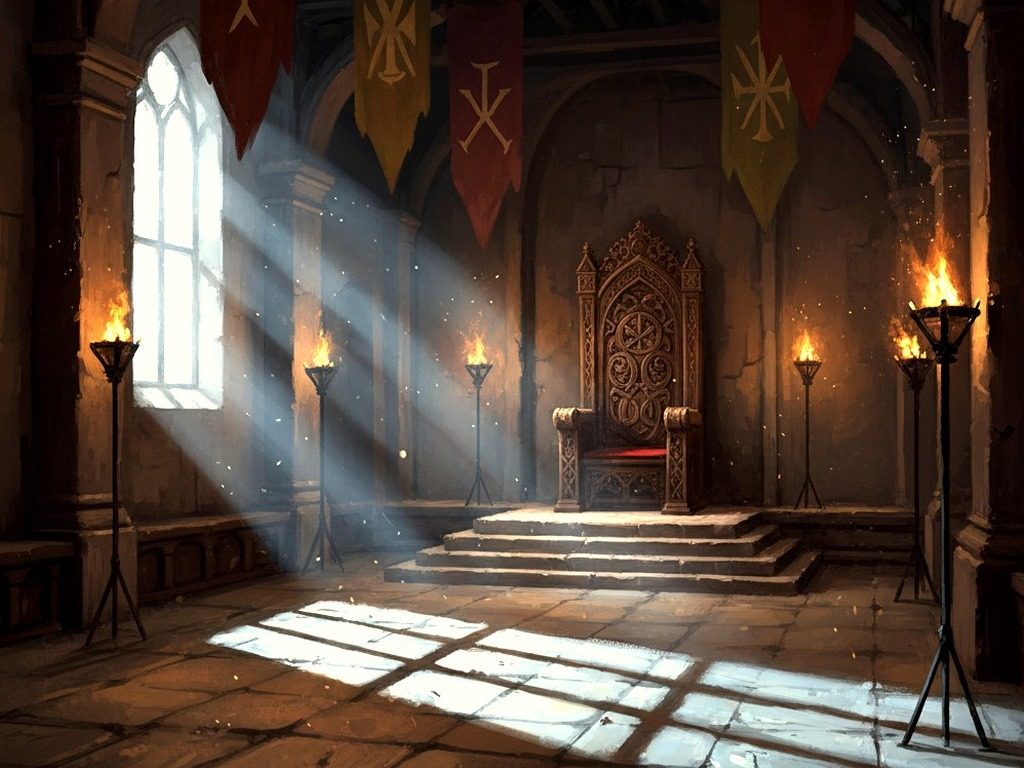
The throne room
Gold, purple, and the most closely watched place in the kingdom. In theory.
-

The Golden Boar inn
Wine watered down and rumours diluted with nothing. The rooms upstairs ask no questions.
-
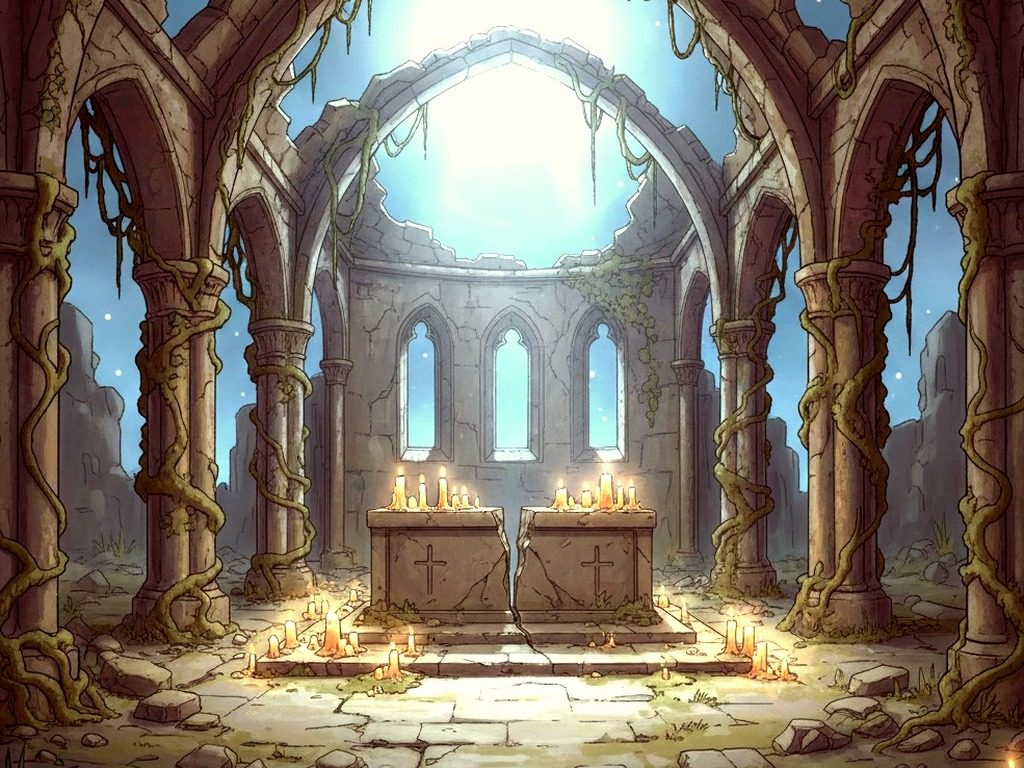
The old chapel
Candles, incense, and a silence in which every footstep echoes like a confession.
-
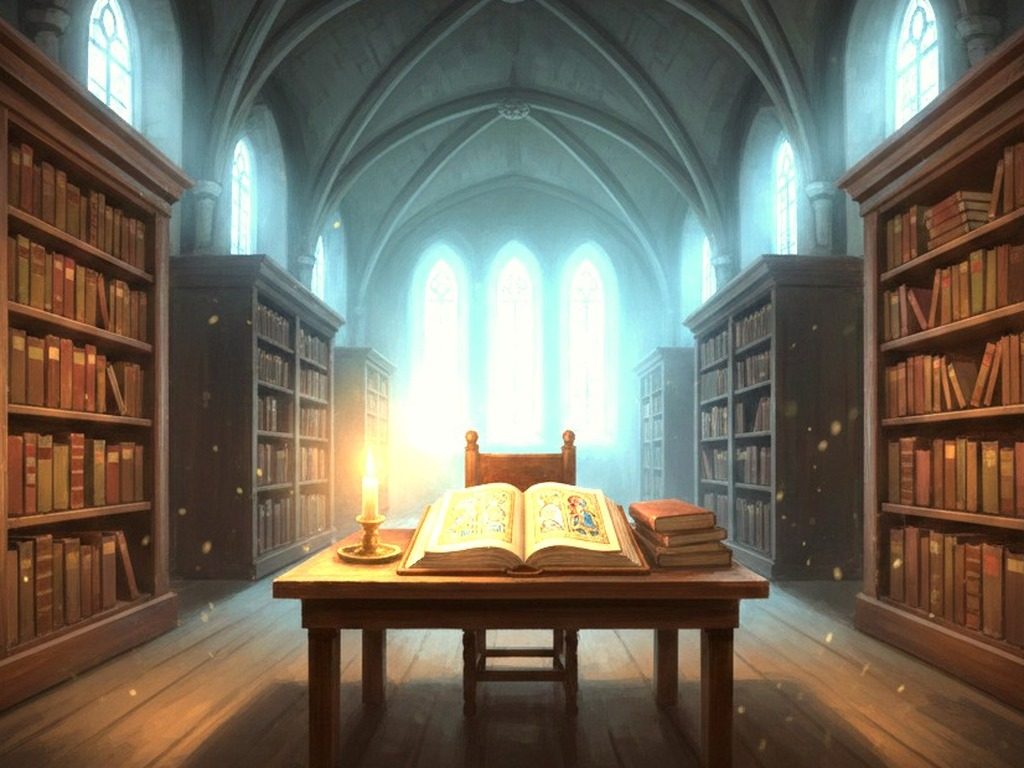
The abbey library
Thousands of leather-bound tomes. Some of the chains on the shelves were cut recently.
Objects
-
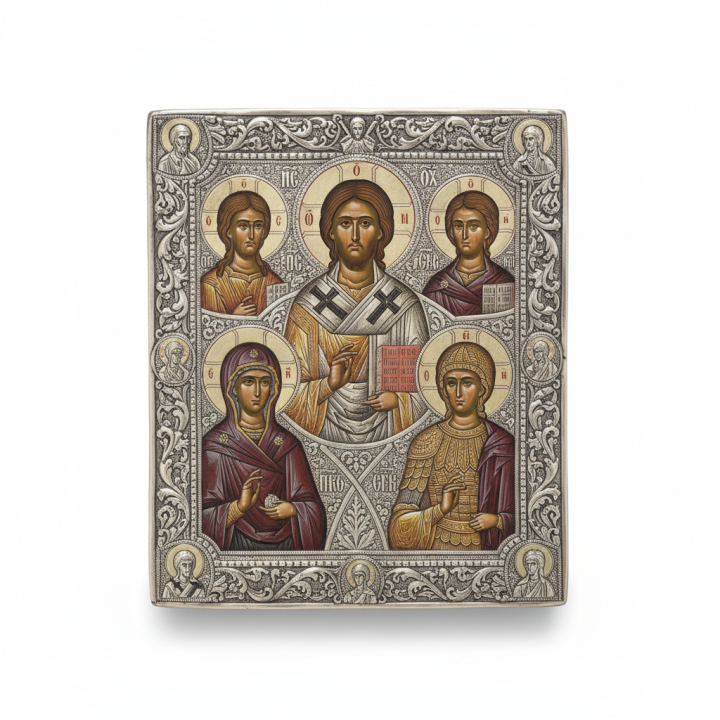
The silver-clad icon
The silver casing is old craftsmanship; the nails that hold it were driven this week.
-

The small wine cask
Arin wine, the good year. The bung was pulled and put back by an unskilled hand.
-

The vial of belladonna
A small flask, a wax stopper, a label written with care. Three-quarters empty.
-
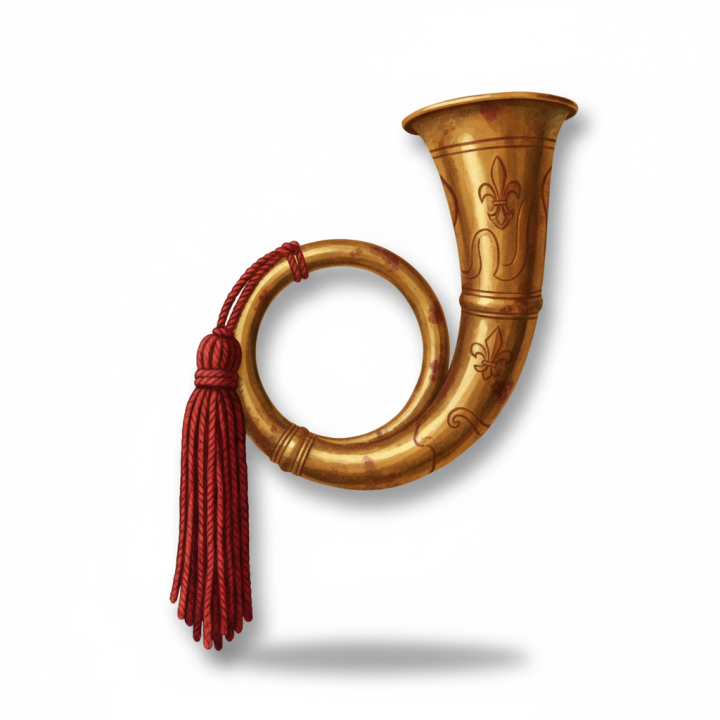
The herald's horn
It sounds the muster, the alarm, or the retreat. Whoever holds it can start a whole panic with a single breath.
Moments
-

At dawn
When the citadel is barely waking and the guards still doze.
-

After matins
The hour after the morning service, when the abbey empties.
-

At noon
Midday, with bustle in the markets and silence in the alcoves.
-

At dusk
When the shadows lengthen and the lanterns are not yet lit.
The pages of the file
This much the investigation had at its disposal, not a line more. The set is minimal by construction — remove any of the rows below and the dossier becomes unsolvable again.
- Even the jester says it in earnest: Manole the Jeweller never set foot in the throne room.
- A note in the margin of the ledger: if the suspect with blue eyes was in the place where every footstep echoes like a confession, then the suspect with blue eyes handled the herald's horn.
- At the Chancellery, Pantelimon the Gardener maintains: "I handled the small wine cask".
- The traces left at the scene show it plainly: the culprit was there at noon.
- Before the investigator, Lady Ruxandra firmly repeats: "I was at the old chapel".
- A maid whispered it at confession: the Golden Boar inn and the silver-clad icon go together.
- The bell-ringer remembers well: the suspect with black hair came earlier than the suspect with brown hair.
- The tracks in the dust do not lie: the throne room matches that hour: after matins.
- The tracks in the dust do not lie: Manole the Jeweller handled the small wine cask.
See how the verdict was reached — open only if you have already tried the dossier
The reasoning, step by step
The Chancellery does not work with impressions. It works with a grid in which every cell has exactly one answer, and with the patience to find it.
The Chancellery asked for one more check, and received it: “Even the jester says it in earnest: Manole the Jeweller never set foot in the throne room”. One more door closed. Investigations are not won on suspicions but on doors closed one at a time.
The Chancellery began with what could be verified: “A note in the margin of the ledger: if the suspect with blue eyes was in the place where every footstep echoes like a confession, then the suspect with blue eyes handled the herald's horn”. The condition lay asleep in the file for a while and woke only when its first half became certain.
A witness of good faith cleared up one more corner: “At the Chancellery, Pantelimon the Gardener maintains: "I handled the small wine cask"”. The testimony was set aside on the scales: if the speaker is innocent it is true; if not, it is precisely the reverse.
The pages gathered fast, and each cut a strip out of the grid: “The traces left at the scene show it plainly: the culprit was there at noon”; “Before the investigator, Lady Ruxandra firmly repeats: "I was at the old chapel"”; “A maid whispered it at confession: the Golden Boar inn and the silver-clad icon go together”; “The bell-ringer remembers well: the suspect with black hair came earlier than the suspect with brown hair”. Not one of them named a culprit. Together, though, they left room for one alone.
A detail overlooked at the start came back into the file: “The tracks in the dust do not lie: the throne room matches that hour: after matins”. A pair was tied, and the knot dragged a whole handful of impossibilities after it.
It was set down, for whoever reads after us: “The tracks in the dust do not lie: Manole the Jeweller handled the small wine cask”. One more certainty means, in a deduction grid, a whole fistful of impossibilities — and so it proved here.
Where the thread broke
One word was enough. Pantelimon the Gardener swore before the Chancellery that I handled the small wine cask — and that alone would not sit with the rest of the file. The truth, drawn out of the other rows, runs thus: Pantelimon the Gardener never touched the small wine cask. Whoever lies, under the Supreme Law, gives themselves away.
The verdict
The name the grid could no longer force out of the circle is Pantelimon the Gardener. At the hour in question, Pantelimon the Gardener was at the Golden Boar inn, handled the silver-clad icon and was there at noon. Tier III is no empty word: without the method of hypotheses, this grid would not have closed.
Where the others were
The grid took them out of the circle one by one, place in the story and all: Duchess Amara de Corvin was at the throne room, handled the vial of belladonna and was there after matins; Lady Ruxandra was at the old chapel, handled the herald's horn and was there at dawn; Manole the Jeweller was at the abbey library, handled the small wine cask and was there at dusk. Not one of the rows above is spare — remove it and the grid opens again.
The truth did not surface in a flash of insight but out of a run of small cuts, every one of them checkable.
Play this dossier All mysteries
The chronicle is written from the logic of the file, not from memory. The uniqueness of the solution was demonstrated by the solver before the dossier ever became public. behind the scenes at the Chancellery.