
Chronicle of the solution: The Court Plot
Disappearance Tier IV
The disappearance file has closed. The chronicle below retraces, step by step, how the circle was drawn tight.
The dossier as it reached the desk
An absence has fallen upon the court heavier than any presence: the disappearance can no longer be denied. Every passing hour erases another trace, and the traces were few to begin with. Before you, one by one, will stand Pantelimon the Gardener, Chamberlain Iorgu, Onufrie the Executioner, Abbot Corvus and Mother Evghenia. The places named in the testimonies — the mill by the river, the customs cellar, the wharf, the watchtower and the castle cellar — each await their turn under scrutiny. The threads were tangled on purpose: investigate, weigh every word, and pronounce your verdict only when the grid leaves no room for doubt.
Brought before the Chancellery were Pantelimon the Gardener, Chamberlain Iorgu, Onufrie the Executioner, Abbot Corvus and Mother Evghenia — names that, until the grid's last row, weighed exactly the same.
The suspects
-
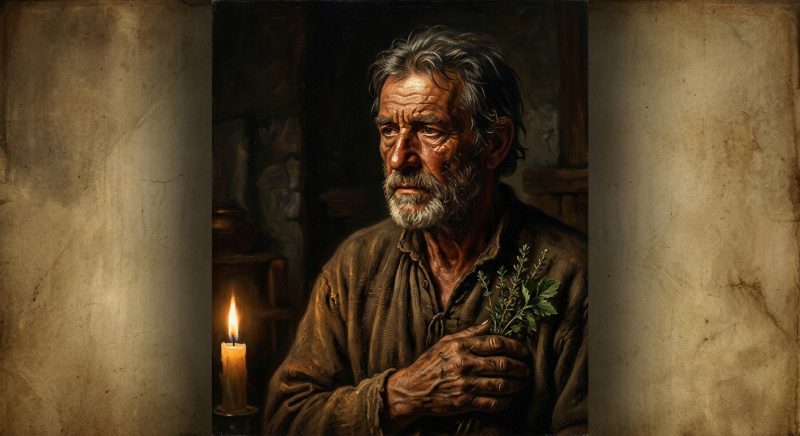
Pantelimon the Gardener
He tends the queen's roses and no one's beds of belladonna. The second garden is the more sought-after.
1.73 m tall · green eyes · greying hair · right-handed
-
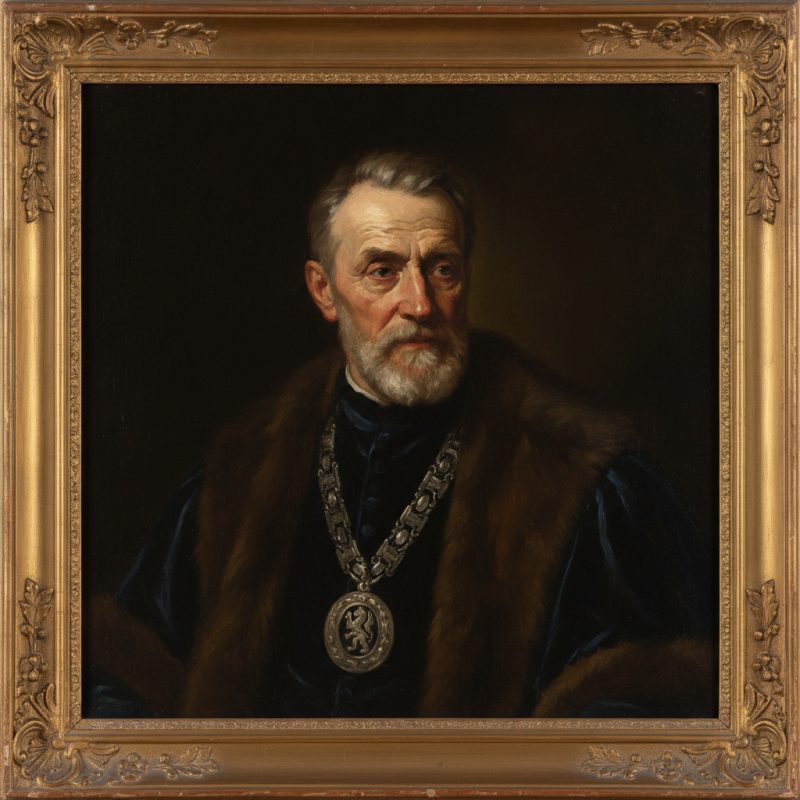
Chamberlain Iorgu
He arranges the king's audiences and, for a small courtesy, the order in which petitions are read.
1.77 m tall · grey eyes · brown hair · right-handed
-
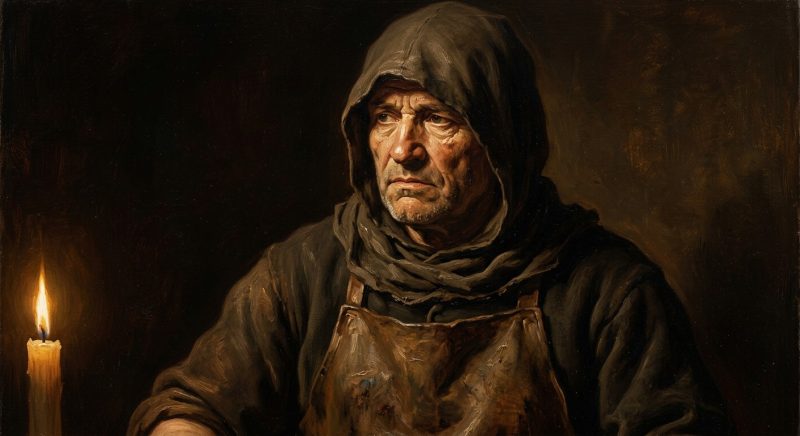
Onufrie the Executioner
A quiet man with a loud trade. He keeps a notebook of the last words of every condemned soul.
1.92 m tall · dark eyes · no hair · right-handed
-

Abbot Corvus
He raises ravens in the abbey tower. His birds arrive faster than any messenger - and cannot be held to account.
1.78 m tall · dark eyes · no hair · right-handed
-
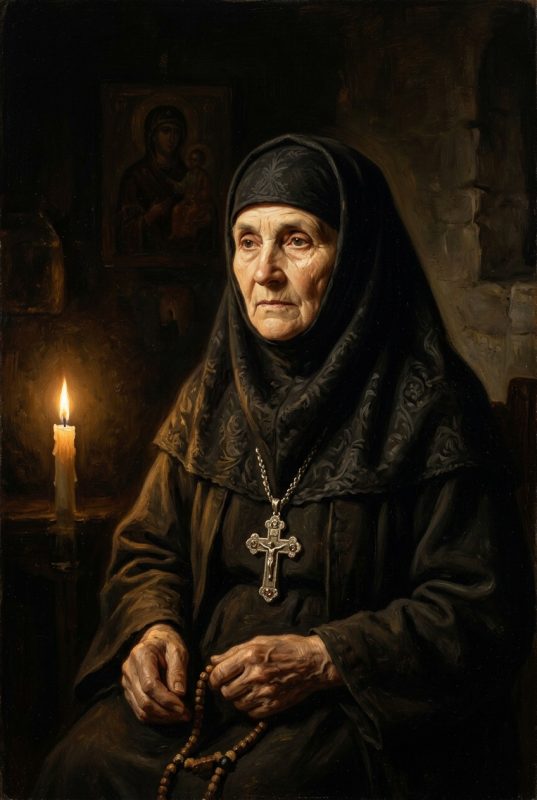
Mother Evghenia
She runs the abbey with an iron hand and a golden pen. The register of donations has pages she shows no one.
1.60 m tall · dark eyes · black hair · right-handed
Locations
-
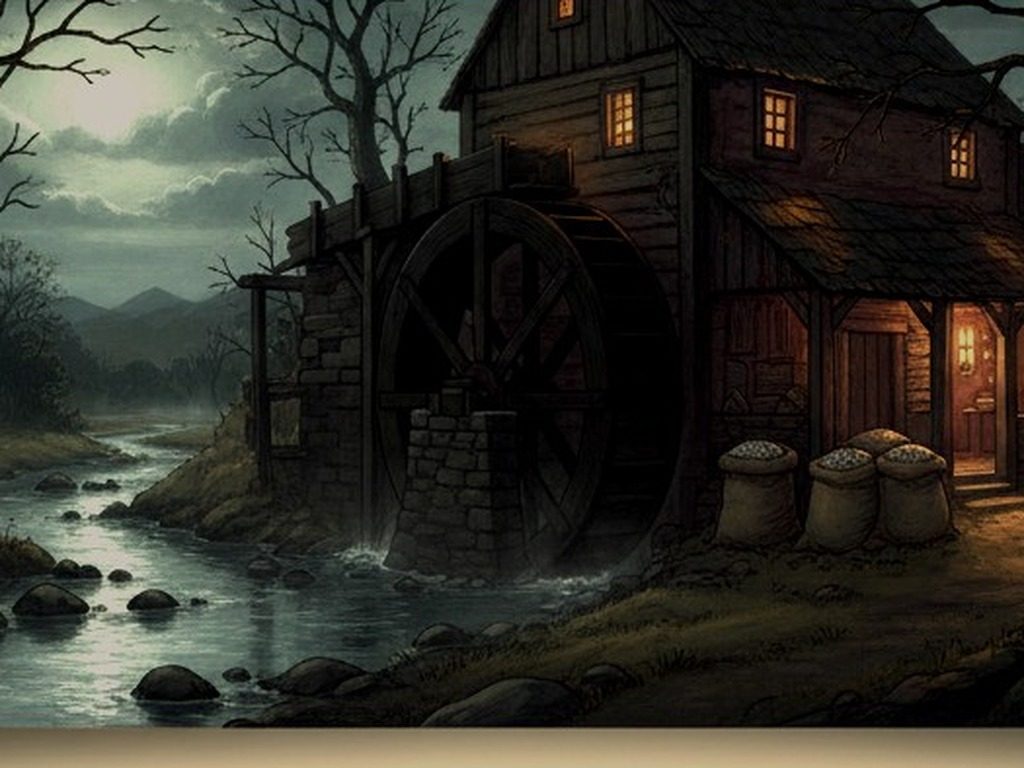
The mill by the river
The wheel turns day and night. Its noise drowns out any conversation - which is why some are held here.
-
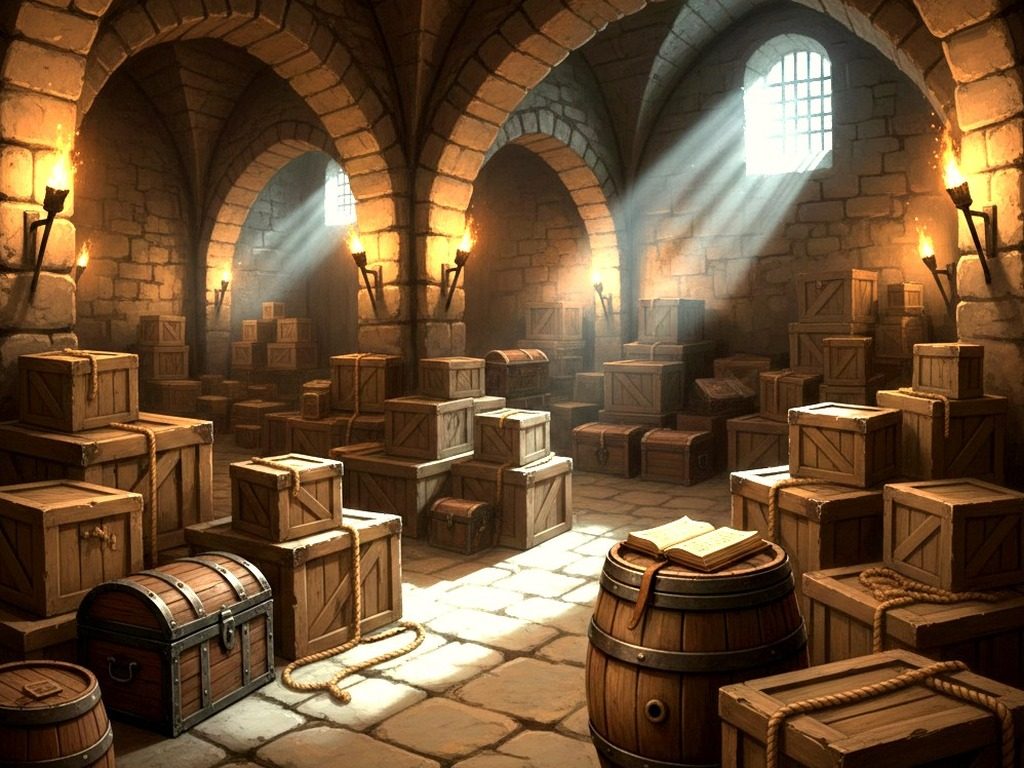
The customs cellar
Sealed crates, thick ledgers, and air that smells of undeclared goods.
-
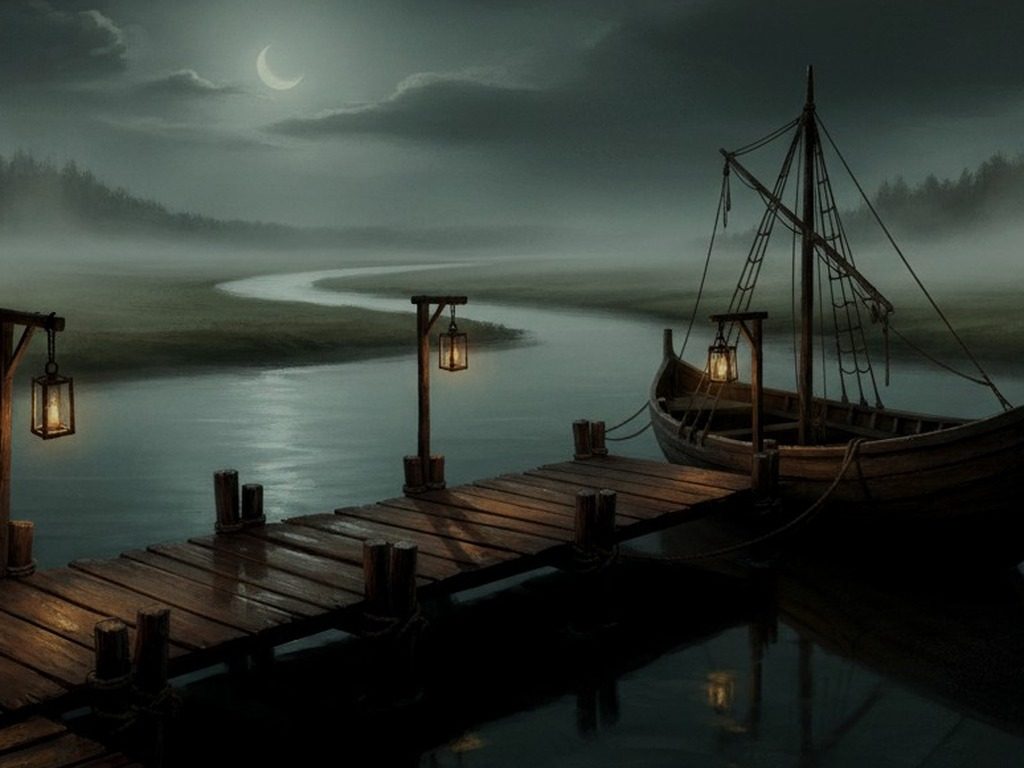
The wharf
Moored boats, wet ropes, and goods that prefer to arrive in the fog.
-

The watchtower
The highest point of the fortress. From here you see everything - and from below, everyone sees who climbs up.
-
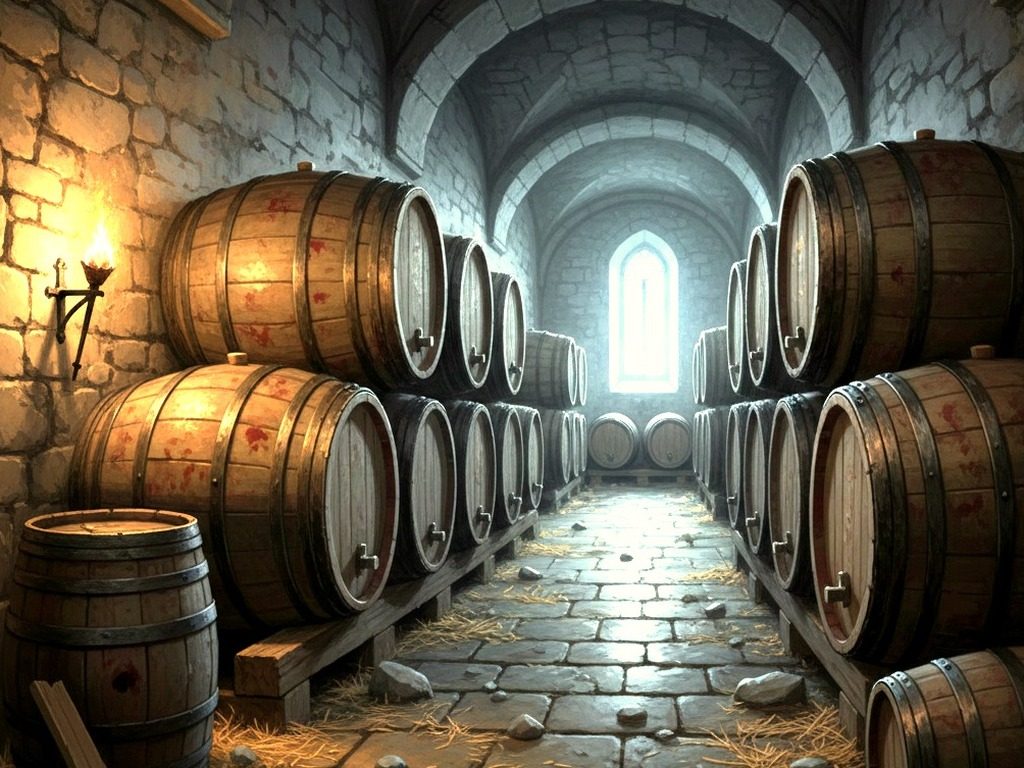
The castle cellar
Barrels as big as carts and corners the lantern never reaches.
Objects
-
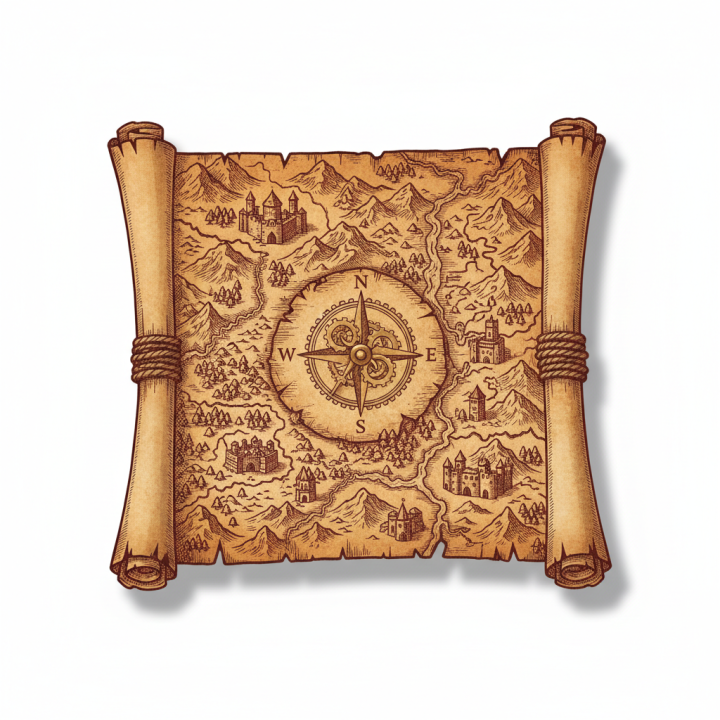
The map of the realm
The kingdom's borders, drawn with a fresh correction where there should be none.
-
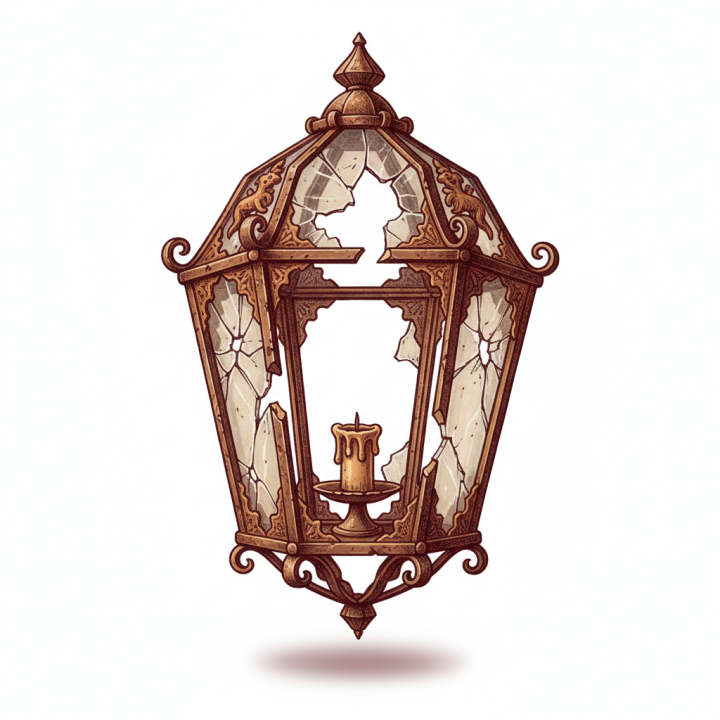
The broken lantern
The glass cracked, the wick burned to the end. Someone needed a lot of light, fast.
-
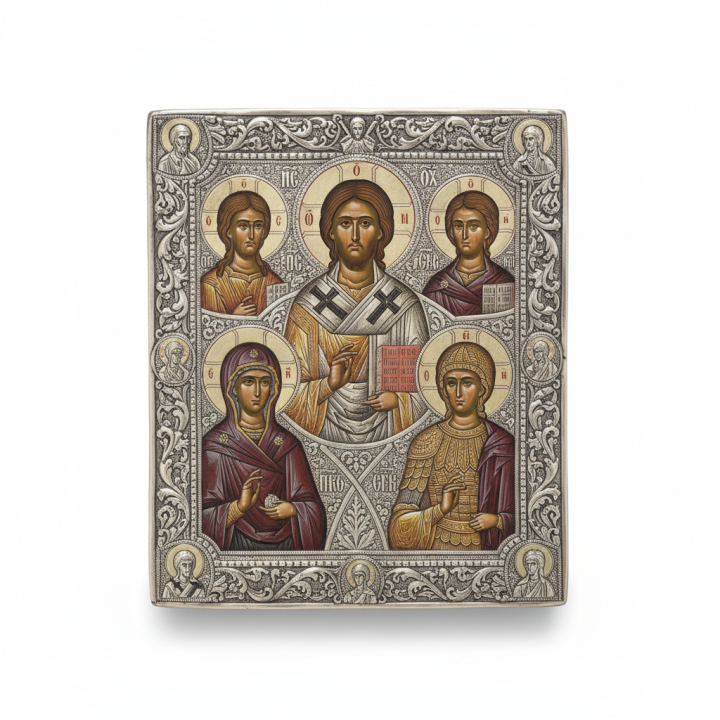
The silver-clad icon
The silver casing is old craftsmanship; the nails that hold it were driven this week.
-

The abbess's bell
It calls the nuns to prayer. On the night in question, they all say, it rang once too many.
-
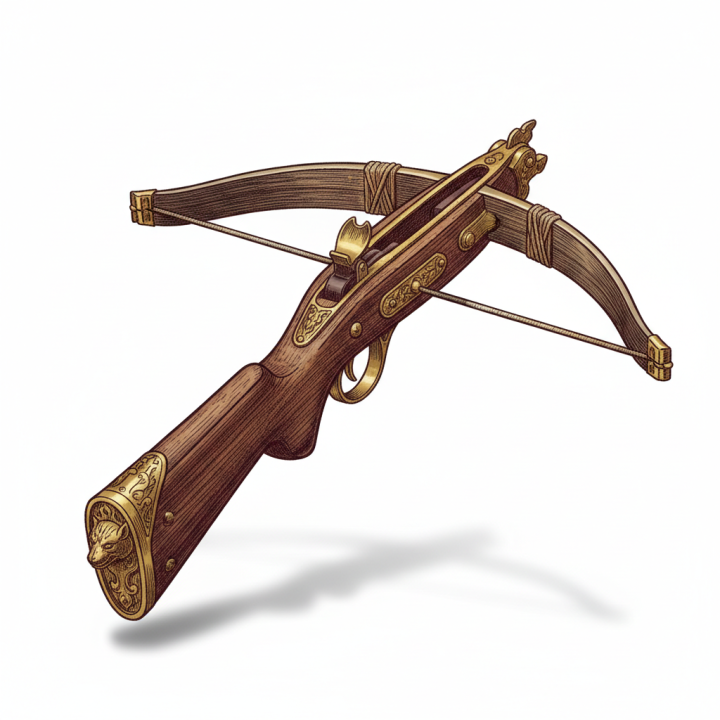
The hunting crossbow
Light, accurate, with a walnut stock. Exactly one bolt is missing from the quiver.
Motives
-
Fear of exposure
Groaza de a fi dat în vileag, care împinge la orice.
-
Blackmail
Un secret ținut ca funia la gât, strâns exact cât trebuie.
-
A debt of honour
O făgăduială care cântărește mai greu decât viața.
-
The inheritance
O avere așteptată, pe care numai o moarte o desparte de mână.
-
Ambition
Setea de a urca, chiar peste trupuri, spre o treaptă mai înaltă.
Moments
-

At dawn
When the citadel is barely waking and the guards still doze.
-

After matins
The hour after the morning service, when the abbey empties.
-

At noon
Midday, with bustle in the markets and silence in the alcoves.
-

At dusk
When the shadows lengthen and the lanterns are not yet lit.
-

At vespers
At the evening service, when the bells drown out any footstep.
The findings and the testimonies
The list below is complete and pared to the bone. The Chancellery keeps no useless rows on file: each cuts something no other cuts.
- The customs register is clear: the tallest suspect never touched the silver-clad icon.
- In the gate ledger, Abbot Corvus stands higher, Mother Evghenia lower.
- The tracks in the dust do not lie: the wharf and the map of the realm go together.
- The tracks in the dust do not lie: the watchtower and blackmail go together.
- The chronicler notes drily: Chamberlain Iorgu handled the hunting crossbow, whatever the court may say.
- A note in the margin of the ledger: if Abbot Corvus was at the castle cellar, then Chamberlain Iorgu was there at vespers.
- Every scout reports the same about the culprit: the culprit handled the silver-clad icon.
- The gate guard swears: blackmail matches that hour: after matins.
- An honest-faced witness saw it plainly: the mill by the river and ambition go together.
- The tracks in the dust do not lie: Abbot Corvus was driven by a debt of honour.
- An honest-faced witness saw it plainly: the castle cellar and a debt of honour go together.
- Whatever the market gossips: the mill by the river and the broken lantern do not go together.
- In the Chancellery's ledger it stands in black and white: the hunting crossbow and fear of exposure go together.
- An honest-faced witness saw it plainly: the mill by the river matches that hour: at dawn.
- An honest-faced witness saw it plainly: the abbess's bell matches that hour: at noon.
Reveal the Chancellery's reasoning — open only if you have already tried the dossier
How it was unravelled
The Chancellery's method does not change from one dossier to the next: findings go into the grid as certainties, testimonies are weighed under the Supreme Law, and what survives every cut is the truth, however unwelcome.
A note in the margin of the page read: “The customs register is clear: the tallest suspect never touched the silver-clad icon”. One more door closed. Investigations are not won on suspicions but on doors closed one at a time.
This page was stitched into the file too: “In the gate ledger, Abbot Corvus stands higher, Mother Evghenia lower”. One more binding drew tight, and the grid lost a little more of its freedom.
The Chancellery asked for one more check, and received it: “The tracks in the dust do not lie: the wharf and the map of the realm go together”. The tick goes down without hesitation, and with it fall all the other cells on that row and that column.
Then came, one after another, the findings that drew the noose tight: “The tracks in the dust do not lie: the watchtower and blackmail go together”; “The chronicler notes drily: Chamberlain Iorgu handled the hunting crossbow, whatever the court may say”; “A note in the margin of the ledger: if Abbot Corvus was at the castle cellar, then Chamberlain Iorgu was there at vespers”; “Every scout reports the same about the culprit: the culprit handled the silver-clad icon”; “The gate guard swears: blackmail matches that hour: after matins”; “An honest-faced witness saw it plainly: the mill by the river and ambition go together”; “The tracks in the dust do not lie: Abbot Corvus was driven by a debt of honour”; “An honest-faced witness saw it plainly: the castle cellar and a debt of honour go together”; “Whatever the market gossips: the mill by the river and the broken lantern do not go together”; “In the Chancellery's ledger it stands in black and white: the hunting crossbow and fear of exposure go together”. Not one of them named a culprit. Together, though, they left room for one alone.
The scouts brought their share as well: “An honest-faced witness saw it plainly: the mill by the river matches that hour: at dawn”. Two names bound themselves for good, and the binding undid, at a stroke, every pairing that contradicted it.
A piece of information dearly bought showed its worth: “An honest-faced witness saw it plainly: the abbess's bell matches that hour: at noon”. From then on that cell could no longer be disputed, and the dispute moved one row down.
The culprit's name
The verdict wrote itself — the culprit is Pantelimon the Gardener. When the deed took place, Pantelimon the Gardener was at the mill by the river, handled the silver-clad icon, was driven by ambition and was there at dawn. It was reached only by driving each supposition to its absurd end — a tier IV dossier, and rightly so.
Where the others were
The others found their acquittal in the grid as well: Chamberlain Iorgu was at the customs cellar, handled the hunting crossbow, was driven by fear of exposure and was there at vespers; Onufrie the Executioner was at the watchtower, handled the broken lantern, was driven by blackmail and was there after matins; Abbot Corvus was at the castle cellar, handled the abbess's bell, was driven by a debt of honour and was there at noon; Mother Evghenia was at the wharf, handled the map of the realm, was driven by the inheritance and was there at dusk. They look like rows of padding and they are not: the whole of the rest rests on them.
That is how a dossier closes: not with a well-contrived suspicion, but with the only arrangement the grid still allowed. The Chancellery needed no confession — it needed only logic.
Play this dossier All mysteries
The chronicle is written from the logic of the file, not from memory. The uniqueness of the solution was demonstrated by the solver before the dossier ever became public. behind the scenes at the Chancellery.